Cloudy or filmy glassware after a dishwasher cycle is a common frustration for many American households. Mineral deposits, hard water, and detergent residues can create a dull appearance on clear glassware. This guide explains practical steps to restore sparkle, prevent future buildup, and keep glassware looking their best between washes.
While the problem is widespread, there are science-backed methods and easy-to-find products that make the process simple. The approach below combines quick fixes for cloudy glasses with long-term prevention, so you can enjoy clear, brilliant glassware after every cycle.
Quick Answer
Identify mineral buildup and rinse aid residue, then use a dedicated cleaner or a descaling product during a wash cycle. Rinse glasses with a hot water rinse, avoid overloading the dishwasher, and add a glassware-safe rinse aid to prevent future cloudiness.
What You’ll Need
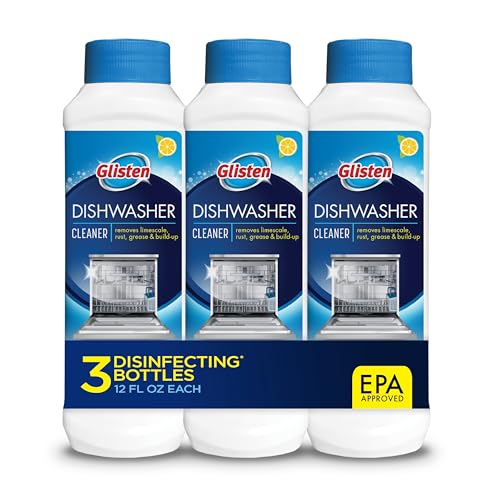
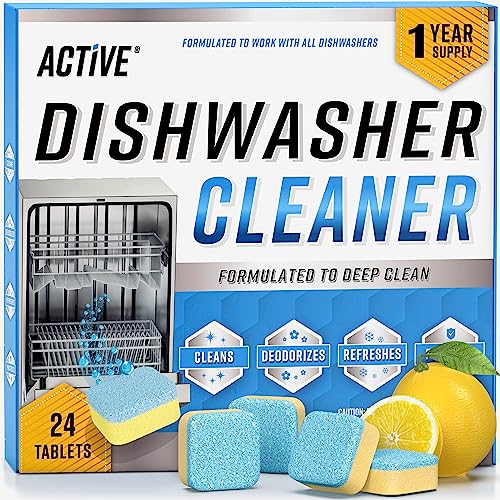
- Dishwasher descaler for hard water
- Rinse aid for glassware dishwasher
- Glassware clarifier dishwasher additive
- Dishwasher limescale remover spray
- Calcium buildup remover for dishwasher interior

Before You Start
Check that your dishwasher is level and that spray arms rotate freely. Use hot water for the final rinse to maximize drying and mineral removal. Wear gloves if you’re handling chemical cleaners, and run a maintenance cycle when you notice persistent buildup on interior surfaces. Plan for about 60–90 minutes for a thorough cleanup, plus additional time for drying. If you have very hard water, consider repeating cycles or increasing the frequency of descaling treatments.
Step-By-Step: Cleaning Cloudy Glasses
- Inspect glassware for chips or cracks; set damaged items aside to prevent injury or further damage during cleaning.
- Run an empty dishwasher cycle with a dishwasher descaler for hard water on a hot setting to break down mineral deposits from the interior.
- After the descaling cycle, place glassware back in the rack, ensuring pieces aren’t touching to allow full contact with cleaner and rinse aid.
- Apply a glassware clarifier dishwasher additive to the detergent dispenser or directly into the drum, following product directions for dosage.
- Run a second hot wash cycle with the rinse aid for glassware dishwasher to target film and reduce water spotting on clear glass.
- For stubborn cloudiness, spray a dishwasher limescale remover spray along interior surfaces, focusing on hard-water contact zones like the door gasket and heating element area; wipe away any residue after the cycle.
- Once cycles finish, air-dry glasses on a rack rather than towel-drying to avoid lint and streaks; ensure the interior is fully dry before unloading.
- Immediately switch to a quality rinse aid and consider a periodic deep clean every 1–2 months if mineral buildup recurs.
- Reevaluate loading patterns: avoid overlapping stems, pre-wash heavily soiled items, and space bulky glass pieces to improve circulation.
- For ongoing issues, test water quality and consider a whole-house water conditioning solution to reduce mineral content at the source.
- Record maintenance reminders and cycle settings that yielded best results for easy repetition in the future.
Troubleshooting
| Symptom | Likely Cause | Fix | Prevention |
|---|---|---|---|
| Cloudy glass after every cycle | Mineral deposits or hard-water buildup | Run descaling cycle, use rinse aid, and consider calcium buildup remover inside | Install water softener or use a dedicated descaler regularly |
| Water spots or streaks | Detergent or rinse aid residue, cold water rinse | Use glassware-safe rinse aid and a hot final rinse | Adjust rinse aid dose according to water hardness |
| Streaks on stems | Water droplets drying unevenly | Switch to high-rinse mode and increase drying time | Load glasses with space for airflow |
| Persistent buildup in interior | Calcium scale near spray arms or heater | Use calcium buildup remover for interior surfaces | Schedule quarterly interior cleaning |
Common Mistakes
- Overloading the dishwasher or placing glassware too close together
- Using regular detergent heavily on glassware
- Skipping rinse aids or using the wrong products for glass safety
- Neglecting interior descaling in hard-water areas
Tips For Best Results
- Use the hottest water setting your glasses allow to maximize deposit removal.
- Choose a dedicated rinse aid formulated for glassware to minimize spotting.
- Regularly inspect seals and spray arms for mineral buildup that can hinder cleaning performance.
- Consider a third-party descaler used specifically for hard-water regions to improve long-term results.
- Store glassware in a dry, ventilated area after drying to prevent haze from residual moisture.
Call A Professional
If cloudiness persists after multiple maintenance cycles, or if you notice cracks, chips, or unusual odors, contact a professional appliance technician. Stop using the dishwasher until an expert confirms there is no leak, electrical fault, or plumbing issue contributing to mineral deposits.
FAQ
Why do glasses become cloudy after dishwasher use?
Cloudiness often results from mineral deposits in hard water reacting with detergent and heat, leaving a film on glassware.
Can I prevent cloudiness permanently?
Yes, by using a rinse aid designed for glassware, descaling regularly, and reducing mineral content in the water through a conditioner or water softener.
What should I do first when I notice cloudy glasses?
Run an empty descaling cycle to remove interior buildup, then wash as usual with rinse aid to prevent new film.
Are there safer cleaners for glassware than descalers?
Look for products labeled safe for glassware; avoid harsh solvents and always follow manufacturer instructions.
How often should I descale in hard-water areas?
In hard-water regions, descale every 1–3 months, or more often if buildup returns quickly.
Is there a difference between glassware clarifier and descaler?
Yes. A clarifier targets film and clouding on glass surfaces, while a descaler dissolves mineral scale inside the dishwasher and on glassware.
What maintenance helps prevent future cloudiness?
Regular descaling, using rinse aid, avoiding overloading, and ensuring proper drying all reduce cloudiness over time.
Buying Guide
Choosing the right products and routines for clean glassware involves balancing effectiveness, safety, and compatibility with your dishwasher. Key factors to consider:
Size and compatibility
Ensure descalers, clarifiers, and limescale removers are compatible with your dishwasher model and the size of your load. Smaller homes may benefit from travel or compact products, while larger households can sustain regular maintenance cycles.
Noise level and energy use
Maintenance cycles and high-efficiency models reduce energy use while maintaining performance. Look for Energy Star-rated dishwashers and avoid extra-long maintenance cycles that may waste resources.
Water hardness and filtration
Hard water increases mineral buildup. Consider a water conditioning system or periodic use of dishwasher descaler products designed for hard water. If your area has particularly hard water, tailor the frequency of maintenance accordingly.
Controls and ease of use
Modern dishwashers offer dedicated cycles for glassware and soil levels. Choose products that align with your routine and prefer additive compatibility with your current rinse aid and interior cleaners.
Placement and storage considerations
Store glassware in a secure, dry area to prevent dust and moisture buildup. When using additives, follow storage recommendations to maintain product efficacy and safety.