Vinegar is a popular, budget-friendly option for removing mineral buildup and sanitizing coffee makers. This guide walks American users through a safe, step-by-step process to clean various coffee machines, from drip brewers to single-serve models, using vinegar and commonly available supplies.
Following a regular cleaning routine helps maintain flavor, prolong equipment life, and ensure optimal performance. The steps below emphasize practical methods and safety precautions to keep mornings headache-free.
Quick Answer
Fast method: Run a vinegar solution through the machine, flush with clean water, then run two cycles with fresh water only to remove any vinegar taste. For stubborn buildup, repeat once or twice.
What You’ll Need
- Coffee maker cleaning brush set stainless steel bristles for internal parts and carafe rims
- Carafe cleaning brush long handle 12 inch to reach carafe corners
- Espresso machine cleaning kit microfiber cloth for surfaces and gaskets
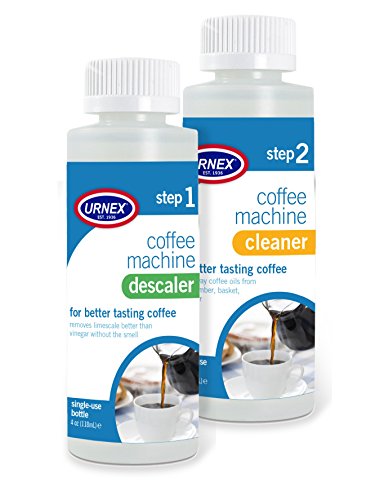
- Coffee maker descaling kit for vinegar-based cleaning to enhance mineral removal
- Coffee machine gasket and filter basket cleaning brush to clean seals and baskets


Before You Start
Ensure the coffee maker is unplugged and cool before cleaning. Disassemble removable parts according to the manufacturer’s instructions and wash them separately with warm, soapy water. Use white distilled vinegar diluted with water (1:1) for most machines; never mix vinegar with bleach or other cleaners. Plan for a 60–90 minute cleaning window to allow for multiple rinses and drying time.
Step-By-Step: How To Clean A Coffee Maker With Vinegar
- Remove filters, baskets, and carafe; wash with warm, soapy water. Rinse and set aside.
- Fill the water reservoir with a vinegar-based descaling solution or a 1:1 vinegar–water mix for standard machines.
- Run a brewing cycle halfway to avoid splashing, then pause to let the solution sit for 15–20 minutes for mineral dissolution.
- Restart the cycle to complete the processing, then repeat with a full reservoir to ensure full contact with all interior surfaces.
- Discard the hot vinegar solution and rinse the reservoir thoroughly with fresh water, refilling as needed.
- Run 2–3 cycles of clean water to flush the system completely; taste should be neutral with no vinegar aftertaste.
- Clean the external surfaces and carafe using the microfiber cloth; dry all parts before reassembly.
- Reassemble, run a trial brew with just water, and discard the pot to confirm no lingering residue.
- Inspect seals and baskets for buildup; use a dedicated brush to remove any stubborn deposits.
- Wipe down the unit after each use and schedule a routine cleaning every 1–3 months depending on water hardness and usage.
- If your machine has a descaling indicator, reset it after the final rinse and drying cycle.
- Store parts dry and organized to prevent mold or mildew in humid kitchens.
Troubleshooting
| Symptom | Likely Cause | Fix | Prevention |
|---|---|---|---|
| Strong vinegar taste persists | Insufficient rinsing | Run 2–3 additional clean-water cycles | Always finish with multiple rinses |
| Machine won’t start after cleaning | Moisture in electrical components | Unplug, dry exterior, wait 15 minutes, retry | Avoid wetting control panels |
| Carafe smells musty | Residual moisture in carafe | Wash with hot water, dry fully | Dry thoroughly after each use |
| Reduced coffee flow | Clogged spray head or filter basket | Clean with brush; remove blockages | Regular maintenance |
| Descaling indicator stays on | Indicator not reset | Follow manual reset steps | Record maintenance dates |
Common Mistakes
- Using undiluted vinegar results in stronger odors and potential surface damage
- Rinsing too quickly leaves mineral residue behind
- Using abrasive brushes on plastic components can scratch surfaces
- Neglecting gaskets and baskets leading to clogged seals
Tips For Best Results
- Choose distilled white vinegar to minimize color and odor issues.
- Keep a routine cleaning schedule—every 1–3 months based on hardness and usage.
- Use the carafe cleaning brush long handle 12 inch to reach stubborn carafe corners.
- Complement vinegar cleaning with a microfiber cloth for a streak-free finish.
- Label and store cleaning tools to prevent cross-contamination with food prep items.
Call A Professional
Stop and call a professional if the machine shows persistent leaks, electrical issues, or if the aroma of vinegar cannot be fully eliminated after multiple rinses. Seek service if the unit fails to heat properly or if there are unusual noises during operation.
FAQ
Can vinegar damage my coffee maker?
Vinegar is generally safe when diluted and used as described, but always check the manufacturer’s guidelines. Avoid using vinegar on surfaces labeled as not compatible.
How often should I descale with vinegar?
For households with hard water, every 1–3 months is a good baseline; adjust frequency based on mineral buildup and usage.
Is it necessary to rinse between cycles?
Yes. Rinsing between and after vinegar cycles is essential to prevent flavor transfer and mineral residue.
Can I use other cleaners instead of vinegar?
Some cleaners are available for descaling, but vinegar remains a popular, inexpensive option. Always follow the product instructions and manufacturer guidance.
What should I do with the carafe after descaling?
Wash the carafe with warm soap and water, then rinse thoroughly to remove any vinegar scent or residue.
Buying Guide
When choosing a coffee maker cleaning routine and related tools, consider size, noise level, energy efficiency, controls, and placement. For descaling routines, a compact descaling kit that fits your machine type (drip, single-serve, or espresso) helps manage mineral buildup effectively. Look for tools that reach hard-to-clean areas: long-handled carafe brushes, stainless steel bristles for interior parts, and microfiber cloths for delicate surfaces. Consider whether you prefer a dedicated cleaning kit or a combined set that covers gaskets, baskets, and residue removal. Finally, assess your kitchen layout to ensure easy access for routine maintenance and tool storage.