Coffee stains on mugs and cups can be stubborn, but a few practical methods can restore your cups to their original shine. This guide blends common household strategies with easy-to-find cleaning tools to tackle both light and set-in stains.
Following best practices helps protect finishes and keeps cups looking like new. The methods below cover quick daily maintenance and deeper cleaning for those tougher spots, using safe, readily available products.
Quick Answer
For routine staining, start with dish soap and warm water, then move to a baking soda paste for stubborn marks. If stains persist, a vinegar and salt solution or a dedicated coffee mug stain remover pen can lift the residue with minimal elbow grease. For delicate mugs, use a soft-bristled brush or silicone scrubber to avoid scratching the glaze.
What You’ll Need
- coffee mug stain remover pen
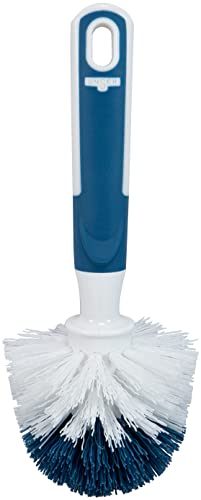
- mug cleaning brush with soft bristles
- silicone scrubber for coffee mugs
- baking soda paste for coffee stains on mugs
- vinegar and salt cleaning kit for coffee mug stains
- dish soap
- warm water

Before You Start
Review the mug’s glaze and interior finish. Avoid harsh abrasives on delicate surfaces. If a mug is decorated with paint or resin accents, test a small hidden area first. Time estimates: quick clean 5–10 minutes; heavy staining 15–30 minutes. Important: do not use bleach on mugs with colored glazes, patterns, or metallic accents.
Step-By-Step: How To Clean Coffee Stains From Cups
- Rinse the mug with warm water to loosen loose coffee grounds.
- Apply a drop of dish soap and scrub gently with the mug cleaning brush with soft bristles.
- Rinse again and inspect the stain. If faint, repeat once more; for persistent marks proceed to a baking soda paste.
- Dip a damp sponge or silicone scrubber in baking soda and rub the stained area in a circular motion until the stain lightens.
- For stubborn stains, create a paste with baking soda and a small amount of water. Apply, let sit for 5–10 minutes, then scrub softly and rinse.
- Prepare a cleaning solution of equal parts white vinegar and warm water with a pinch of salt. Soak the mug for 10–15 minutes, then scrub and rinse.
- If residues remain, use a coffee mug stain remover pen along the interior surface, following the product instructions.
- Rinse thoroughly, dry with a clean towel, and inspect one final time. For white mugs, repeat the baking soda method if necessary.
- Dry completely before storage to prevent water spots and odor buildup.
- Regular maintenance: wash daily with dish soap and warm water to prevent staining from setting in.
- Store mugs upright to allow full drying and airflow inside the interior.
- For heavily stained mugs, repeat the process a second time using the paste method and a silicone scrubber to minimize wear.
Troubleshooting
| Symptom | Likely Cause | Fix | Prevention |
|---|---|---|---|
| Stain remains after washing | Set-in stain from long-accumulated coffee | Use baking soda paste or vinegar-salt kit; let sit longer | Rinse promptly after use; wash daily |
| Discoloration on interior glaze | Color transfer from dark roasts | Soak in vinegar solution; scrub with soft brush | Avoid leaving coffee to sit; rinse immediately |
| Scratch marks after cleaning | Hard scrubbing near delicate finishes | Switch to a softer brush or silicone scrubber; reduce scrubbing pressure | Use gentle tools; test on hidden area first |
| Unpleasant odor | Residual oils and minerals | Sanitize with baking soda paste, rinse well | Regular cleaning after each use |
| Stain returns after drying | Residual minerals or glaze porosity | Perform a second treatment with baking soda or vinegar solution | Dry thoroughly and store in breathable space |
Common Mistakes
- Using abrasive pads on fragile or decorated mugs
- Rinsing with cold water, which can set stains
- Overusing household cleaners that can leave residues
- Neglecting to dry mugs after cleaning, encouraging odor or mineral buildup
Sticking to gentle tools and proper drying helps preserve the mug’s finish while removing stains effectively.
Tips For Best Results
- Spot-clean immediately after the mug cools to keep stains from setting.
- Test any cleaner on a small area before full application.
- Use a dedicated brush with soft bristles to maintain glaze integrity.
- Combine methods: start with dish soap, then progress to baking soda, then to vinegar as needed.
- For travel mugs, clean the lid and seal edges to prevent odor buildup.
Call A Professional
Consider contacting a professional if a mug has valuable artwork, delicate finishes, or persistent staining that refuses to lift after multiple attempts. Seek expert care for items with gold or metallic detailing, or materials that may be damaged by acidic cleaners.
FAQ
Can I use bleach to remove coffee stains from mugs?
Avoid bleach on most mugs, especially colored glazes or decorative finishes, as it can damage the surface.
Is white vinegar safe for all mug surfaces?
Most ceramic and glass mugs tolerate vinegar, but test on a small area if unsure.
How often should I clean my mugs to prevent staining?
Daily washing after use helps prevent set-in stains, with a deeper clean as needed every few days.
Will baking soda harm my mug?
When used gently, baking soda is safe for most glazes; avoid aggressive scrubbing on delicate surfaces.
What’s the best tool for coffee mug cleaning?
A soft-bristled brush or silicone scrubber paired with mild cleaners yields the best balance of effectiveness and glaze protection.
Buying Guide
When choosing tools to combat coffee stains, consider factors like material compatibility, ease of use, and storage. Look for a mug cleaning brush with soft bristles that won’t scratch finishes, a silicone scrubber for gentler scrubbing, and a dedicated coffee mug stain remover pen for targeted treatment. A baking soda paste and a vinegar-salt kit offer at-home options without harsh chemicals. For regular maintenance, keep a set of these items stocked near the sink so cleaning is quick and efficient. Think about mug sizes and shapes, as some brushes fit narrow cavities while others cover wide interiors. Finally, assess each product for user reviews and safety notes to ensure reliability.