Outdoor concrete surfaces such as patios, driveways, and walkways endure weather, foot traffic, and seasonal grime. A practical cleaning approach combines proper equipment, safe methods, and routine maintenance to restore curb appeal without damaging the surface. The steps below outline an effective method using common tools and products designed for exterior concrete care.
By following these steps, homeowners can remove dirt, mold, algae, and oil stains while protecting the concrete from future staining and wear. The process stresses safety, surface preparation, and selecting the right cleaners and attachments for best results.
Quick Answer
Use a high-pressure outdoor concrete pressure washer to loosen debris, then scrub stubborn stains with a stiff bristle brush and masonry cleaner. For wide areas, attach a pressure washer surface cleaner to speed up coverage. Rinse thoroughly and let the surface dry before sealing or resealing if needed.
A Quick List Of What You’ll Need
What you’ll use:
- Outdoor concrete pressure washer
- Pressure washer surface cleaner attachment for concrete
- Concrete patio scrubbing brush exterior
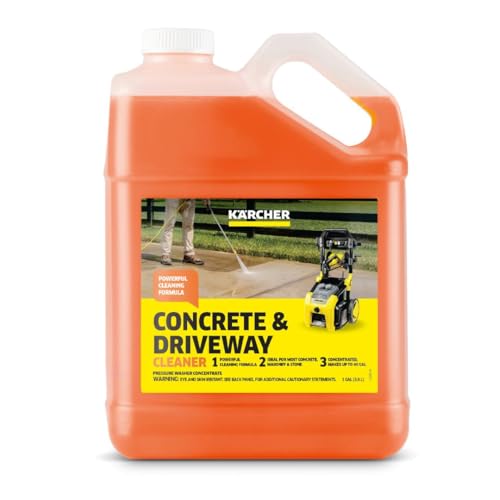
- Masonry cleaner for outdoor concrete surfaces
- Stiff bristle deck scrub brush for concrete


Before You Start
Assess the concrete surface for cracks, efflorescence, or deep oil stains. Repair any major cracks before cleaning to prevent further damage. Move outdoor furniture and grills, cover nearby plants, and ensure adequate ventilation for cleaners. Wear eye protection, gloves, and non-slip footwear. Test cleaners in a small inconspicuous area first to confirm there is no discoloration. Time for setup and cleaning can vary; plan for a 2–5 hour window depending on surface size and soil level. Do not mix cleaners unless the product instructions explicitly allow it.
Step-By-Step: How To Clean Concrete Floor Outside
- Clear the area and perform a quick surface inspection. Remove loose debris with a broom or leaf blower.
- Pre-wet the surface with a garden hose to help limit cleaner absorption and to reduce dust.
- Apply masonry cleaner for outdoor concrete surfaces to the stained zones, following label directions for dilution and contact time. Keep the cleaner off vegetation and use a dedicated brush to work it into the pores.
- Scrub heavy grime with a stiff bristle deck scrub brush for concrete or a concrete patio scrubbing brush exterior. Use circular or back-and-forth motions to lift embedded dirt.
- Use an outdoor concrete pressure washer to rinse and lift loosened dirt. If stains persist, reapply the cleaner or switch to a concrete surface cleaner attachment for even coverage.
- For broad areas, move the surface cleaner steadily in overlapping passes to prevent streaks. Maintain a consistent distance from the surface to avoid gouging.
- Rinse thoroughly until all cleaner is removed and the concrete looks uniform. Allow the surface to air-dry completely before evaluating whether a second pass is needed for stubborn stains.
- Inspect for remaining stains and consider a second treatment on tough spots. After cleaning, consider sealing the surface to slow future staining and weathering.
- Clean tools and attachments promptly to prevent cleaner residue from hardening on brushes or equipment.
- Dispose of wastewater in accordance with local regulations; avoid directing runoff into storm drains with contaminants.
- Document the results and monitor the surface over time, especially after removing stains or mold growth seasonally.
- Schedule periodic maintenance, such as a light cleaning every season, to prevent heavy buildup and maintain appearance.
Troubleshooting
| Symptom | Likely Cause | Fix | Prevention |
|---|---|---|---|
| Stubborn stains remain after cleaning | Deep-set oils or mold/mildew | Apply masonry cleaner again or use a specialized cleaner for oil stains; repeat scrubbing | Seal after cleaning; clean promptly after spills |
| Surface looks streaky | Inconsistent spray distance or dirty attachment | Even passes with a surface cleaner; clean or replace nozzle | Maintain steady technique and clean tools regularly |
| Discoloration or bleaching | Cleaner incompatible with concrete or vegetation | Test in a small area; stop use and switch to a compatible product | Follow label instructions precisely |
| Excess water runoff | Over-wetting and poor drainage | Lightly dampen, then rinse; pause to allow drainage | Plan cleaning with slope awareness |
Common Mistakes To Avoid
- Using a high-pressure setting too close to the surface, causing chipping or etching.
- Applying cleaners in sunlight, which can dry them too quickly and reduce effectiveness.
- Neglecting to rinse thoroughly, leaving cleaner residues that attract dirt.
- Ignoring plants or grass near the work area, risking chemical damage.
- Skipping a test patch to confirm colorfastness or material compatibility.
Tips For Best Results
- Work from one edge to the opposite side to minimize stepping on fresh cleaning areas.
- Use overlapping strokes with the surface cleaner to avoid stripes and water marks.
- Choose a cleaner formulated for outdoor concrete and safe for your climate (mold, mildew, or oil stains).
- Schedule annual maintenance to extend the life of the concrete and maintain appearance.
- Protect surrounding plants and surfaces with plastic sheeting or shields during cleaning.
Call A Professional
Consider a professional if the surface has extensive staining, deep cracks, or significant mold growth that requires specialized treatments. Stop work and consult a pro if you notice structural damage, efflorescence that appears to be increasing, or if cleaning would involve hazardous chemicals or large areas beyond comfortable DIY scope.
FAQ
Is it safe to use a pressure washer on all concrete surfaces?
Most exterior concrete surfaces tolerate pressure washing, but check for cracks, crumble, or delicate coatings before cleaning.
How often should I clean outdoor concrete?
Clean annually or as needed to remove mold, algae, and stains; more frequent cleaning may be needed in humid climates.
Can I seal concrete after cleaning?
Yes, sealing after a thorough cleaning helps protect against stains and weathering. Ensure the surface is completely dry before applying.
What cleaners work best for oil stains?
Use a masonry cleaner or a degreasing cleaner designed for concrete; follow product directions and test a small area first.
Buying Guide
Choosing tools and products for outdoor concrete cleaning depends on surface size, level of staining, and frequency of maintenance. Consider the following factors while shopping:
- <bSize and coverage: Large patios benefit from a surface cleaner attachment to speed up cleaning, while small areas can be treated with a stiff bristle brush and standard nozzle.
- <bNoise and power: Gas-powered pressure washers offer strong cleaning but can be loud; electric models are quieter and lighter for smaller jobs.
- <bEnergy efficiency and water use: Look for efficient models and surface cleaners that minimize water waste.
- <bControls and safety: Adjustable pressure, soap usage controls, and built-in safety features help prevent surface damage.
- <bPlacement and storage: Store equipment in a dry space; ensure hoses and cords are properly coiled and protected from weather.
When comparing options, consider how often you will clean outdoor concrete, the severity of stains, and whether you want quick, uniform results with a surface cleaner attachment or a more hands-on approach with brushes. A balanced combination of a suitable pressure washer, a dedicated surface cleaner, and a masonry cleaner for outdoor concrete surfaces will typically deliver the best results for most residential needs.