Construction dust can settle into tile floors and grout, leaving fine particles that are hard to remove with routine cleaning. This guide provides practical, approach-focused steps for American homes and workspaces to restore tile floors after renovation or remodeling. The methods emphasize safe handling of common dust and the right tools to minimize tracking dust through living areas.
Fast Method
Use a HEPA-equipped vacuum to remove loose dust, then follow with a microfiber mop to pick up fine particles. For stubborn spots, employ a tile floor scrub brush attachment and a targeted cleaner designed for tile surfaces. Finish with a dust mop and washable microfiber pads for ongoing maintenance.
What You’ll Need
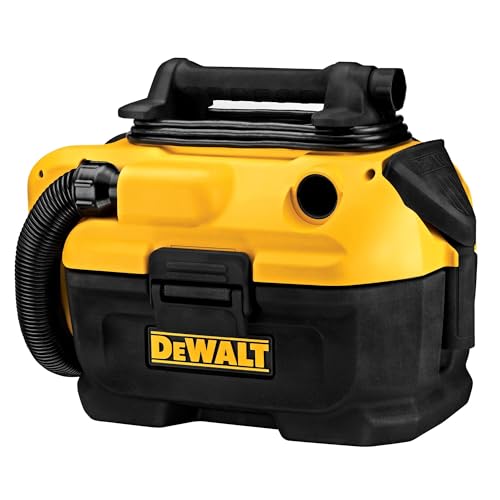
- HEPA shop vacuum for construction dust tile floors
- wet/dry vac with HEPA for construction dust
- microfiber mop system for tile floors dust removal
- dust mop with washable microfiber pads for construction dust
- tile floor scrub brush attachment for cleaning construction dust
- All-purposetile-safe cleaner or a mild detergent
- Pan and brush for dry debris


Before You Start
Clear the area of furniture and rugs to prevent dust redistribution. Seal off adjacent rooms if possible to contain the mess. Wear a dust mask and safety glasses when handling fine construction dust. Choose a well-ventilated space and avoid mixing cleaning agents that could create fumes. Estimate a cleaning window of 30–90 minutes depending on floor area and dust amount. Keep children and pets away during cleaning.
Step-By-Step: How To Clean Construction Dust From Tile Floors
- Start with a dry sweep or use a HEPA shop vacuum for construction dust tile floors to remove larger debris from the surface and grout lines.
- Widen the cleaning area gradually, vacuuming in sections to prevent spreading dust into clean zones.
- Attach a tile floor scrub brush attachment for cleaning construction dust to your vacuum or a separate brush if needed for grout and stubborn spots.
- Prepare a mild cleaning solution appropriate for tile, or use a dedicated tile cleaner. Avoid acidic cleaners that can dull grout over time.
- Using a damp microfiber mop system for tile floors dust removal, mop in small, overlapping sections to lift fine dust from the surface without saturating the grout.
- For persistent stains or heavy dust in grout lines, apply cleaner to the grout and use the scrub brush attachment directly on the grout, then rinse with clean water.
- Rinse the mop frequently and change the water when it becomes dirty to prevent spreading dusty water.
- Finish with a dry dust mop with washable microfiber pads for construction dust to collect remaining loose particles and leave a clean, dry floor.
- Inspect for missed spots, especially along baseboards and corners, and repeat the vac/mop cycle as needed.
- Store cleaning tools properly to avoid reintroducing dust to the space when using them next time.
- If your tile floors are sealed, verify the sealer’s compatibility with the chosen cleaner to protect the finish.
- Document any lingering issues that could indicate environmental dust carried in from outside or HVAC distribution problems for further action.
Troubleshooting
| Symptom | Likely Cause | Fix | Prevention |
|---|---|---|---|
| Dust returns after cleaning | Dust reintroduced by HVAC or adjacent rooms | Seal off area; run a HEPA-filtered air purifier | Close doors, use drafts blockers |
| Soap film or streaks on tile | Excess cleaner or hard water residue | Rinse with clean water; use minimal cleaner | Use distilled water for mopping if possible |
| Grout looks discolored after cleaning | Aggressive cleaning or improper cleaner | Switch to a grout-safe cleaner; test on a hidden area | Follow manufacturer grout guidelines |
| Scrubbing brush damages grout | Too much pressure or abrasive cleaner | Use light pressure; select a non-abrasive cleaner | Regular maintenance with gentle cleaners |
Common Mistakes To Avoid
- Using a vacuum without a HEPA filter can spread fine dust into the air.
- Over-wetting tile floors, which can loosen grout over time.
- Using harsh chemicals that discolor or erode grout and tile finishes.
- Aggressively scrubbing grout without considering sealant compatibility.
Tips For Best Results
- Run the vacuum before mopping to minimize dust clouds and improve efficiency.
- Work in a systematic pattern—start from one corner and move across the room in straight lines.
- Keep personal protective equipment on hand: masks, gloves, and eye protection when dealing with dust.
- Choose a microfiber mop system with washable pads for cost-effective reuse and better dust pickup.
- Test cleaners on a small, inconspicuous area of tile to prevent unexpected reactions.
Call A Professional
Consider reaching out to a professional if:
- The dust originates from structural work or hazardous materials like asbestos or lead-based compounds (do not disturb these materials).
- There is extensive dust buildup across multiple rooms or high-traffic areas.
- HVAC ducts show visible dust or mold and require remediation.
FAQ
What is the best tool for construction dust on tile floors?
The combination of a HEPA shop vacuum and a microfiber mop system provides effective dust removal without dispersing particles.
Can I use water with tile cleaning solutions?
Yes, but avoid over-wetting and use a mild, tile-safe cleaner to protect grout and finishes.
How often should I clean tile floors after a renovation?
Dust should be removed as soon as possible after a renovation, then maintained with regular dry dusting and periodic wet mopping as needed.
Is a scrub brush attachment necessary?
A scrub brush is useful for grout lines and stubborn spots, but less aggressive cleaning can be sufficient on the tile surface.
Buying Guide
When selecting tools for cleaning construction dust from tile floors, consider these factors to balance performance and cost.
- Size and layout: For large areas, a bigger vacuum head and longer mop handle reduce work time.
- Noise level: Choose units with a reasonable noise profile for home environments.
- Energy efficiency: Look for energy-efficient vacuums and battery-powered options if you prefer cordless models.
- Controls: Simple on/off controls, variable suction, and easy emptying bins help daily use.
- Placement and storage: Compact vacuums and foldable mops fit smaller storage spaces.
- Filtration: A true HEPA filter captures fine particles, improving air quality during and after cleaning.
- Compatibility: Ensure cleaners and brushes are safe for tile and grout materials in your home.
- Maintenance: Washable microfiber pads and reusable accessories lower ongoing costs.
Choosing the right combination of tools—such as a HEPA-equipped vacuum, microfiber mop system, and a grout-friendly scrub brush—helps manage construction dust effectively while protecting tile flooring and grout integrity. Ready to tackle the dust with confidence?