Corrosion on aluminum surfaces can dull finishes and dull hardware, but with the right approach you can restore shine without causing damage. This guide walks through practical steps, suitable products, and safety tips for American homes and workshops.
Whether addressing a patio chair, automotive trim, or kitchen foil pans, a measured cleaning approach helps preserve the metal’s natural strength while removing oxide layers and stains.
Quick Answer
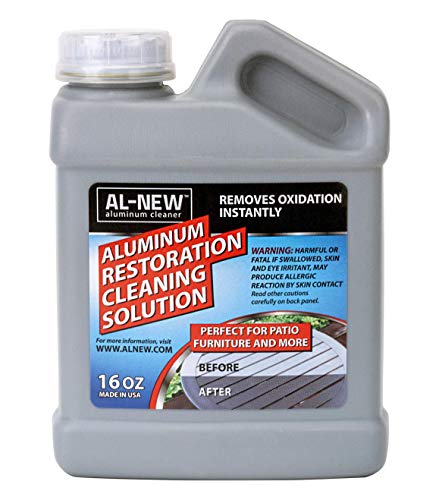
Start with a gentle cleaner to dissolve oxidation, then test a small area before proceeding. Use a non-abrasive cloth or sponge, avoid harsh scrubs, and rinse thoroughly. For tougher stains, switch to a specialized aluminum corrosion cleaner spray or aluminum oxide remover gel, then polish with an aluminum tarnish remover polish for a bright finish.
What You’ll Need
- aluminum corrosion cleaner spray
- aluminum oxide remover gel
- aluminum tarnish remover polish
- aluminum rust stain remover spray
- aluminum cleaning kit corrosion prevention


Before You Start
Inspect the aluminum for deep pitting or structural damage. Work in a well-ventilated area, wear eye protection and gloves, and keep cleaners away from eyes and skin. Test cleaning products on an inconspicuous spot first. Plan for a cleanup session that allows for thorough rinsing and drying to prevent new oxidation from forming.
Critical cautions: avoid abrasive pads that can scratch the surface, and never mix cleaners unless the product instructions explicitly allow it. Aluminum surfaces can react with acidic or highly alkaline cleaners; choose products labeled for aluminum care and follow label directions closely.
Step-By-Step: How To Clean Corroded Aluminum
- Prepare the workspace and protective gear, then wipe the surface to remove loose dust and debris.
- Apply a light coat of aluminum corrosion cleaner spray to the affected area and let it sit per label directions.
- Gently wipe with a soft cloth in a circular motion, focusing on oxidized spots without applying heavy pressure.
- For stubborn oxide, use aluminum oxide remover gel by spreading a thin layer and allowing it to dwell before lightly scrubbing with a soft brush.
- Rinse thoroughly with clean water, ensuring no residue remains that could continue reacting with the metal.
- Dry immediately with a microfiber cloth to prevent water spots and new oxidation.
- Apply a small amount of aluminum tarnish remover polish to a clean, soft cloth and buff in circular motions until a consistent sheen appears.
- Reassess the surface; repeat only on areas that still show signs of oxidation, avoiding over-cleaning which can wear the finish.
- If rust stains are present, treat with an aluminum rust stain remover spray following the product’s directions, then rinse and dry.
- Finish with a light, even coating of a corrosion prevention product from the cleaning kit to protect against future oxidation.
- Store all cleaners securely and away from heat sources when not in use.
- Document any persistent issues and consider professional assessment if structural integrity is in question.
Troubleshooting
| Symptom | Likely Cause | Fix | Prevention |
|---|---|---|---|
| Surface re-oxidizes quickly | New oxide forms after cleaning | Apply a protective corrosion prevention coating | Regular maintenance cleaning |
| Scratches appear after cleaning | Abrasive material used | Switch to non-abrasive cloth and avoid scrubbing | Use soft brushes and pads only |
| Streaks or water spots | Improper drying | Dry with microfiber cloth immediately after rinsing | Rinse with distilled water if hard water is an issue |
| No improvement with cleaner spray | Oxidation is deep or etched | Move to aluminum oxide remover gel or seek professional help | Prompt treatment of early oxidation |
Common Mistakes
- Using harsh solvents or steel wool on aluminum surfaces
- Over-wetting or letting cleaners sit too long, causing pitting
- Skipping a thorough rinse, leaving residue that accelerates corrosion
- Not testing cleaners on a hidden area before full application
Tips For Best Results
- Work in small sections to control contact time and avoid over-cleaning.
- Choose aluminum-specific products to ensure compatibility and avoid discoloration.
- Use a two-step approach: remove oxide with a cleaner, then polish for shine and protection.
- For large outdoor items, consider periodic maintenance cleaning to prevent buildup.
- Keep containers closed tightly and store away from children and pets.
Call A Professional
Seek professional help if the aluminum shows deep pitting, perforations, or structural damage, or if corrosion involves coatings that require specialized restoration. If there is any doubt about the surface integrity after cleaning attempts, a professional assessment is advised.
FAQ
What is the best product to remove aluminum oxide?
Aluminum oxide remover gel is designed to dissolve stubborn oxide layers with controlled chemistry and minimal scratching.
Can I use everyday household cleaners on aluminum?
Only if the product is labeled for aluminum care; many all-purpose cleaners can cause discoloration or pitting.
Is polishing necessary after cleaning?
Polishing helps restore brightness and provides a protective layer against future tarnish.
How often should I treat aluminum to prevent corrosion?
Regular inspections and biannual or quarterly cleaning, depending on exposure, can prevent progressive corrosion.
Are there eco-friendly options for aluminum care?
Yes, many aluminum-specific cleaners are formulated to be safer for the environment while effective on oxidation.
Buying Guide
When choosing products to clean and protect aluminum, consider size and coverage, whether the cleaner is designed for aluminum specifically, and the expected level of oxidation. Noise level and energy use are usually not central for hand cleaning tools, but choose spray applicators or gels that minimize waste and splash. Look for clear instructions, surface compatibility, and visible protective benefits. For projects with delicate finishes, choose gentler formulas and test before wider application. Placement factors, such as indoor versus outdoor use and exposure to humidity, influence the frequency and type of treatment.