Cleaning cubicle walls keeps workspaces hygienic and fresh. This guide walks through practical methods using common office cleaning tools to remove dust, fingerprints, and stains from fabric, laminate, and painted partitions found in many offices.
By following a structured approach, employees can maintain a neat appearance while extending the life of wall surfaces and ensuring a healthier work environment.
Quick Answer
For routine maintenance, dust and wipe cubicle walls weekly with a microfiber cloth and disinfectant spray. For tougher marks, scrub gently with a soft bristle brush and, if needed, a melamine sponge. Use an extendable cleaning brush for hard-to-reach areas to avoid over-wetting the wall panels.
What You’ll Need
- Microfiber cloths for fabric cubicle wall panels
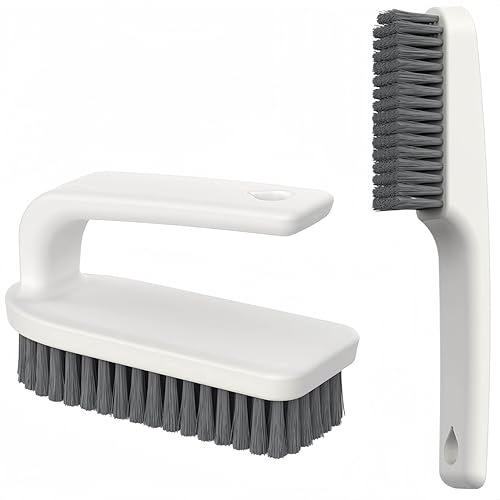
- Soft bristle scrub brush for office cubicle partitions
- Melamine sponge magic eraser for cubicle walls
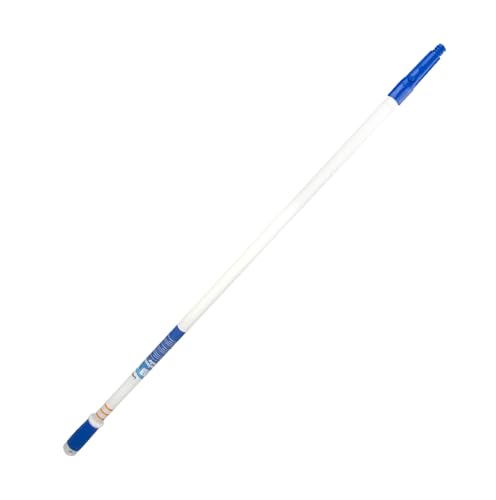
- Extendable telescoping cleaning brush for office partitions
- Disinfectant spray for office cubicle walls
Before You Start
Assess the wall material before cleaning: fabric panels, painted surfaces, or laminate require different care. Perform a small test on an inconspicuous area to check for color transfer or damage. Use mild cleaning solutions to avoid warping or discoloration. Plan a cleaning session during a low-traffic period to minimize disruption.
Safety notes: keep cleaning products away from skin and eyes, ventilate the area, and follow manufacturer instructions on the label. If you notice persistent stains or water intrusion, consider professional assessment.
Step-By-Step: How To Clean Cubicle Walls
- Remove loose dust with a microfiber cloth by wiping from the top of the wall down to prevent re-settling dust.
- For fabric panels, lightly dampen the microfiber cloth with water or a mild cleaner and wipe in one direction to lift soils without saturating the fabric.
- Address fingerprints and smudges on painted or laminate surfaces by applying a small amount of disinfectant spray to a cloth and wiping evenly.
- Use a soft bristle scrub brush for stubborn marks on hard surfaces, applying gentle pressure to avoid scratching.
- For scuffs or marks that resist brushing, glide a melamine sponge over the area with minimal moisture; test first on an inconspicuous spot.
- Clean the edges and corners with an extendable telescoping cleaning brush to reach high or tight areas without ladder use.
- Rinse or wipe away any cleaning residue with a fresh microfiber cloth to prevent streaking.
- Allow surfaces to air-dry completely before returning items, especially in fabric panels where dampness can lead to odor or mold.
- Repeat the process on a scheduled basis to maintain cleanliness and reduce buildup over time.
- Follow with a light disinfectant spray on high-touch areas if required for bacteria control, allowing proper contact time per product directions.
- Inspect for missed spots after drying and re-clean as needed for a uniform finish.
Troubleshooting
| Symptom | Likely Cause | Fix | Prevention |
|---|---|---|---|
| Streaks on surfaces | Residue from cleaner or improper drying | Wipe with a clean, dry microfiber cloth and allow to air-dry | Use a small amount of cleaner; wipe in a single direction |
| Fading or color transfer on fabric panels | Over-wetting or harsh chemicals | Limit moisture; use a mild cleaner suitable for fabric | Test first and blot rather than scrub |
| Rough texture after cleaning | Scrubbing too hard or damaged surface | Switch to gentler technique; avoid aggressive scrubbing | Use appropriate tools for the surface |
| Persistent odor after cleaning | Moisture retention in fabric panels | Increase ventilation and allow complete drying; consider a fabric-safe deodorizer | Keep areas dry and well-ventilated |
| Scratches on laminate or painted surfaces | Rough sponge or abrasive cleaner | Replace with a melamine sponge or microfiber and use less pressure | Use soft tools and mild cleaners |
Common Mistakes
- Using harsh chemicals on fabric panels, which can degrade the material over time.
- Soaking wall surfaces, especially fabric or laminate, which leads to warping or mold growth.
- Using metal brushes or rough sponges that scratch the surface.
- Neglecting to ventilate the area, increasing exposure to cleaner fumes.
- Not drying surfaces thoroughly, leaving damp areas prone to odor.
Tips For Best Results
- Work from top to bottom to prevent drips on cleaned areas below.
- Keep a dedicated microfiber cloth for fabric panels to avoid cross-contamination with hard surfaces.
- Rotate cleaning tools to extend their life and prevent wear on any single surface.
- Use extendable tools to minimize overreach and maintain consistent pressure on edges and corners.
- Schedule routine cleanings to prevent buildup and reduce the effort needed for each session.
Call A Professional
Consider contacting facilities or a professional cleaner if:
- You encounter persistent stains that do not respond to gentle cleaning.
- There is moisture damage, mildew, or mold growth on fabric panels.
- Wall surfaces are peeling, warped, or structurally damaged.
FAQ
Is it safe to use disinfectant sprays on fabric cubicle walls?
Disinfectant sprays are generally safe when used as directed and allowed to dry, but always test a small area first to ensure fabric integrity.
What’s the best method for cleaning high walls or ceilings near cubicles?
Use an extendable telescoping cleaning brush to reach high areas and avoid ladders where possible.
How often should I clean fabric panels versus painted surfaces?
Fabric panels typically benefit from weekly or biweekly cleaning, while painted surfaces can be wiped monthly or as needed.
Can I use soap and water for all cubicle wall types?
Water and mild soap work for many surfaces, but fabric panels often require gentler cleaners to prevent damage.
Buying Guide
When selecting tools for cleaning cubicle walls, consider size, performance, noise, and compatibility with common office materials. A balanced set typically includes microfiber cloths, a soft bristle brush, a melamine sponge, an extendable cleaning tool, and a safe disinfectant spray. Look for products labeled suitable for fabric panels and hard surfaces, and verify the spray is compatible with your wall materials. For convenience, choose compact, easy-to-store items that can be used on all cubicle types in an office setting.
Key Buying Factors
- Size and reach: Extendable tools help access hard-to-reach areas without ladders.
- Surface compatibility: Tools should be safe for fabric, laminate, and painted surfaces.
- Material type: Microfiber cloths are gentle and effective for dust and smudges.
- Cleaning agents: Choose mild cleaners that preserve fabric and color.
- Noise and ease of use: Practical for shared spaces and daily office routines.
- Placement and storage: Compact kits fit in desk drawers or janitorial closets.
With the right tools and a simple routine, keeping cubicle walls clean becomes a straightforward task. Regular maintenance reduces stubborn spots and preserves the look and feel of the workspace for everyone in the office.