The Holmes air purifier is a common choice for improving indoor air quality. Regular maintenance, including cleaning the filter, helps maintain airflow and filtration efficiency. This guide provides a practical, step‑by‑step approach to cleaning a Holmes air purifier filter using common tools and safe techniques.
Readers will find actionable steps, safety notes, and quick troubleshooting tips to keep the unit performing at its best without disassembly or professional help.
Quick Answer
Clean the filter regularly by removing it from the unit, tapping to loosen dust, and using a gentle brush, microfiber cloth, or compressed air in short bursts. Do not wash most filters unless the manufacturer specifies; dry filters should air out completely before reassembly.
What You’ll Need
- Holmes air purifier filter cleaning brush
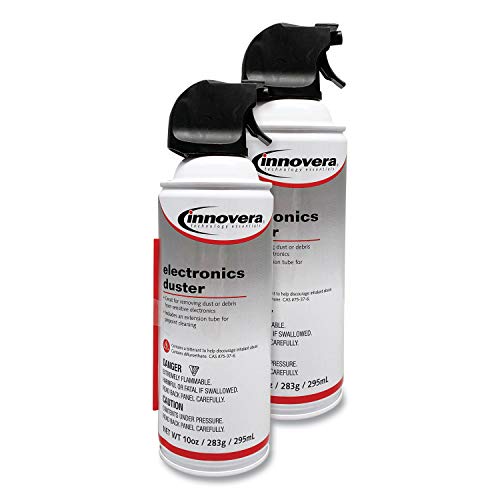
- Compressed air duster for electronics and air purifier filters
- Microfiber cleaning cloth for air purifier filters
- Vacuum brush attachment for delicate filter cleaning
- Dusting brush set for electronics and air purifier maintenance


Before You Start
Unplug the purifier and remove the front cover according to the model’s manual. Never operate the unit without a filter or with a damaged housing. Work in a well‑ventilated area and avoid vigorous force that could alter filter integrity. If the unit is still under warranty, check the manual for cleaning restrictions to avoid voiding coverage. Expect a 5–15 minute maintenance window per cycle.
Step-By-Step: How To Clean Holmes Air Purifier Filter
- Power off and unplug the purifier, then remove the front panel and the filter compartment cover.
- Gently lift the filter straight out to prevent dust from falling back into the unit.
- Inspect the filter for visible damage, moisture, or mold. If stained with mold or damp, replace the filter rather than attempting a cleaning.
- Use the Holmes air purifier filter cleaning brush to loosen settled dust around the filter frame and crevices.
- Lightly tap the filter surface to dislodge loose particles into a waste container.
- For dry, non‑wicking filters, use a microfiber cleaning cloth to wipe away dust from the filter face. Avoid pressing hard to prevent tearing.
- Optionally employ a vacuum brush attachment for delicate filter cleaning set to a low suction to remove embedded dust without deforming the filter media.
- If your model supports compressed air, use short, controlled bursts from a compressed air duster for electronics and air purifier filters, holding the can at a distance to avoid moisture spray.
- Let the filter air dry completely in a clean, dry area before reinstallation. Do not reassemble while the filter is damp.
- Reinsert the filter, reseal the housing, and plug the purifier back in. Run a quick cycle to ensure proper airflow and that there are no unusual noises.
- Schedule routine cleaning every 1–3 months, or more frequently in dusty environments, depending on usage and air quality readings.
Troubleshooting
| Symptom | Likely Cause | Fix | Prevention |
|---|---|---|---|
| Purifier won’t start after filter service | Filter not seated correctly | Remove and reseat filter, ensure housing is closed | Check alignment during reassembly |
| Low airflow or reduced cleaning performance | Clogged filter | Clean or replace filter as needed | Clean on a regular schedule; replace when advised |
| Unpleasant odor after cleaning | Damp filter or mold | Dry thoroughly or replace if mold is present | Dry filters completely before use |
| Noise unusual after maintenance | Misaligned parts | Inspect and reseat components | Handle parts gently and follow manual cues |
Common Mistakes
- Washing a non‑washable filter, which can damage media and reduce filtration efficiency.
- Using high‑pressure sprays or hot water that could warp the filter frame.
- Over‑cleaning too aggressively, risking tearing delicate filter media.
- Ignoring moisture; damp filters can promote mold growth inside the unit.
Tips For Best Results
- Keep a regular cleaning schedule tailored to room dust levels and pet dander if applicable.
- Mark a cleaning reminder on your calendar to avoid neglect between maintenance cycles.
- Store cleaning tools in a dry, clean area so they remain ready for use without introducing new dust.
- Combine cleaning with a quick wipe of the purifier’s exterior to prevent dust migration into the return air.
Call A Professional
Contact a professional if the purifier shows persistent performance issues after cleaning, emits unusual smells, or if you notice visible mold inside the unit that you cannot safely address. Seek professional help if the device is still under warranty and you are unsure about cleaning procedures, or if the model requires disassembly beyond your comfort level.
FAQ
How often should I clean a Holmes air purifier filter?
General guidance suggests every 1–3 months, with more frequent cleaning in dusty environments or homes with pets.
Can I wash a Holmes purifier filter?
Most Holmes filters are not designed to be washed; follow the manufacturer’s instructions and replace when indicated.
What tools help with delicate filter cleaning?
A microfiber cloth, a soft vacuum brush attachment, and a filter cleaning brush are effective without damaging media.
What if the purifier won’t restart after cleaning?
Ensure the filter is properly seated, the housing is closed, and there are no power or fault indicators in need of reset.
Buying Guide
When choosing a replacement or maintenance approach for Holmes air purifiers, consider size compatibility, noise level, energy efficiency, and control features. Look for filters that match your model’s air changes per hour (ACH) rating and the purifier’s clean air delivery rate (CADR). Think about placement: place the unit in open spaces away from walls to optimize airflow, and consider room size vs. purifier capacity. For ongoing maintenance, evaluate whether accessories such as a dedicated cleaning brush, microfiber cloths, or a compact compressed air duster improve convenience and reduce the risk of damage to media. If the unit will operate in a high‑dirt environment, plan for more frequent inspections and potential filter replacements rather than attempted deep cleaning. By balancing size, noise, efficiency, controls, and placement, you can maintain clean air with minimal disruption to daily life.