The kitchen sink garbage disposal is a handy helper for everyday cleanup, but it can develop odors, clogs, and buildup over time. This guide provides practical steps and safe practices for American homes to keep a disposal fresh, efficient, and long-lasting.
Quick Answer
Routinely flush with cold water, rotate the disposer’s blades with a putty knife or a disposal wrench, and scrub interior surfaces. Use citrus cleaners or an in-sink maintenance kit to boost freshness, and address hard clogs with an auger snake. Schedule a maintenance routine every few weeks to prevent stubborn odors and jams.
What You’ll Need
Gather these tools and supplies to complete a thorough disposal cleaning:
- Garbage disposal cleaning brush long-handled for scrubbing inaccessible walls
- Garbage disposal cleaning wand flexible bristle to reach twists and bends
- Citrus garbage disposal cleaner tablets to deodorize and freshen
- In-sink garbage disposal maintenance kit that may include scrubbers and scents
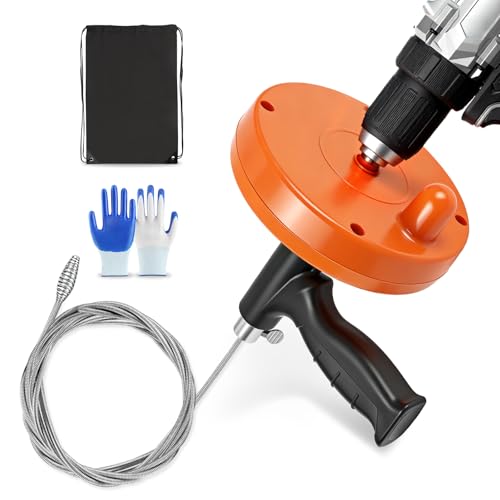
- Garbage disposal auger snake plumber’s snake for clearing minor clogs
- Cold-water supply and a damp rag for cleanup


Before You Start
Before action, ensure the disposal is off and unplugged or switched off at the circuit. Do not place your hands inside a running unit. Clear the area of dishes and debris. Run cold water during cleaning to help solid waste harden less and to keep the blades from overheating. Plan for a 20–40 minute session, depending on the buildup and any clogs.
Critical cautions: never use hot water to clean a disposal, as it can loosen grease and push it deeper. Do not use chemical drain cleaners in a disposal unless the manufacturer approves it; some cleaners can damage seals and blades.
Step-By-Step: How To Clean A Kitchen Sink Disposal
- Turn off power to the disposal at the wall switch or unplug it, then run water into the sink to prepare a cooling rinse.
- Remove loose debris by hand from the sink opening and around the splash guard; discard any food waste properly.
- Pour a citric-based cleaner or citrus cleaner tablets into the dispose or run the in-sink garbage disposal maintenance kit per instructions to deodorize.
- Use the garbage disposal cleaning wand flexible bristle to scrub the interior walls, especially near the splash guard and the blades.
- Extend the garbage disposal cleaning brush long-handled into the chamber to dislodge grime and remove sticky buildup.
- Run cold water and briefly turn on the disposal (with power restored) to flush residues while brushing. Briefly rotate the impellers by hand with a tool if safe and recommended by the manufacturer.
- If odors persist, drop in a cleaning tablet and run the unit with cold water for the recommended cycle time to refresh.
- For minor clogs, carefully insert the garbage disposal auger snake plumber’s snake into the drain and twist to dislodge obstructions; avoid forcing beyond the trap.
- Rinse thoroughly, then wipe the exterior with a damp cloth. Run a final cold-water flush for 10–15 seconds after turning power back on.
- Optional maintenance: run the disposal with citrus peels (in small amounts) to provide a fresh scent without overwhelming the mechanism.
- Repeat as part of a regular cleaning routine, typically every few weeks, or more often in high-use kitchens.
Troubleshooting
| Symptom | Likely Cause | Fix | Prevention |
|---|---|---|---|
| Disposal won’t start | Power supply issue or reset switch tripped | Check outlet, reset circuit, ensure switch is on | Use a dedicated circuit; avoid overload |
| Stubborn odor | Residue buildup inside chamber | Clean with wand/bristle and citrus cleaners; run short cycles | Regular maintenance and cold-water flush |
| Jamming or grinding noise | Foreign objects or fibrous food | Remove objects, use auger snake if needed | Avoid putting hard items or plastics down the disposal |
| Slow draining | Partial clog in trap or P-trap | Use auger snake to clear; inspect P-trap | Avoid piling peelings or fibrous scraps |
Common Mistakes
- Using hot water to “clean” the disposal, which can loosen grease and cause clogs later
- Pouring harsh chemical drain cleaners down the unit, risking seal damage
- Forcing objects into the disposal or ignoring safety switches
To avoid issues, follow manufacturer guidelines for cleaners and never put metal, glass, or non-food items into the disposal.
Tips For Best Results
- Run cold water before, during, and after grinding to flush particles and control temperature
- Use a citrus-based cleaner regularly to maintain a fresh scent without harsh chemicals
- Keep the splash guard clean; a dry seal can harbor odors
- Schedule periodic maintenance sessions to prevent buildup and extend life
Call A Professional
Seek professional help if the disposal remains jammed after using an auger, or if there is persistent leakage, unusual noises, or electrical concerns. Do not attempt disassembly beyond basic cleaning; improper handling can void warranties or cause injury.
FAQ
How often should I clean my garbage disposal?
Clean it every 2–4 weeks with a brush or wand and run a maintenance cycle as needed for odors or heavy use.
Can I put citrus peels down the disposal?
Yes, in small amounts. They help deodorize, but avoid large quantities that could cause foaming or jams.
What if the disposal smells even after cleaning?
Try a dedicated citrus cleaner tablet, then run a longer cold-water flush with the unit off to neutralize odors.
Is it safe to use a drain snake on a disposal?
Use an auger snake only if you are comfortable; follow safety guidelines and stop if resistance indicates a larger issue.
Should I use chemical cleaners inside the disposal?
Only if the manufacturer approves; many cleaners can damage seals and void warranties.
What maintenance kit is best for a disposal?
Choose a kit that includes a long-handled brush, a flexible wand, and safe cleaning tablets compatible with your model.
Buying Guide
When choosing disposal cleaning tools and maintenance products, consider size, compatibility, and ease of use. Look for tools that reach tight areas and include non-abrasive bristles to protect blades. Evaluate whether a maintenance kit offers odor-control tablets and a flexible wand for versatile cleaning reach. If odor removal is a priority, citrus-based cleaners can be an effective option. For stubborn clogs, an auger snake should be sized appropriately for your drain and user comfort level. Finally, ensure all products are labeled as safe for use with garbage disposals and suitable for your home’s plumbing.