Buying a leather jacket from a thrift store can be a smart, stylish choice. Proper cleaning and conditioning extend its life and preserve its look. This guide provides a practical, step-by-step approach tailored to common thrift-store finds, using materials that are widely available in American markets.
Quick Answer
Assess, clean, condition, and protect in this order. Start with a gentle surface wipe, then treat stains, apply a leather-safe cleaner and conditioner, and finish with a protective conditioner. Always test on a hidden area first and avoid harsh solvents.
What You’ll Need
The following tools and products cover most thrift-store leather jackets. They are chosen to work with common leather finishes and color tones you’ll encounter in the wild thrift corridors.
- Leather jacket cleaner kit with conditioner
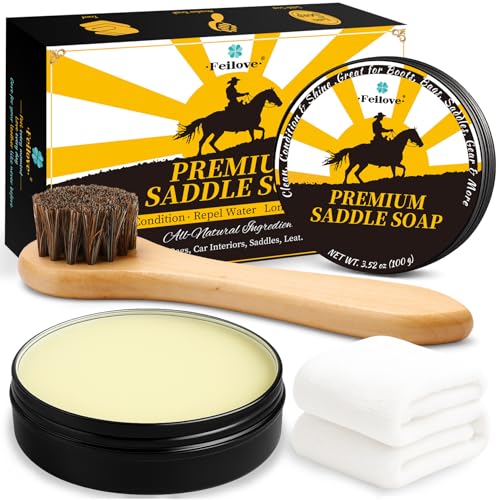
- Saddle soap for leather jacket cleaning
- Leather conditioner for jackets 8 oz
- Microfiber cloth set for leather cleaning
- Leather stain remover spray for jackets


Before You Start
Preparation determines success. Inspect the jacket for damage, strong odors, or color transfer. If you notice cracking, peeling, or heavy color loss, consider professional restoration. Always test any cleaner or conditioner on a hidden seam or under the hem slope. Work in a well-ventilated area and lay out a soft protective sheet to catch drips. Time estimate: 1–3 hours for the initial clean, plus drying time.
Important cautions: avoid ammonia-based cleaners, hot water, and direct sunlight. Do not use household detergents unsuited for leather; they can dry or discolor the material.
Step-By-Step: How To Clean A Leather Jacket From Thrift Store
- Inspect the jacket for stains, odor, and watermarks. Note any areas that seem dry or stiff.
- Lightly dust with a microfiber cloth to remove surface dirt, working in small circular motions.
- Test a hidden, inconspicuous area with saddle soap for leather jacket cleaning or leather jacket cleaner kit to ensure no color change.
- Apply a small amount of leather cleaner to a microfiber cloth and wipe in a gentle, even motion across the surface. Avoid soaking the leather.
- For tough spots, use leather stain remover spray on a cloth and dab gently; never spray directly on the jacket to prevent oversaturation.
- Wipe away residue with a clean microfiber cloth and allow the jacket to air dry away from heat sources.
- Once dry, apply a leather conditioner for jackets 8 oz evenly across the surface, using circular motions to work the conditioner into the grain.
- Buff with a dry microfiber cloth to remove excess conditioner and restore a soft sheen. Revisit any stiff or dry areas with a second light conditioning pass if needed.
Troubleshooting
| Symptom | Likely Cause | Fix | Prevention |
|---|---|---|---|
| Sticky finish after cleaning | Residual cleaner or conditioner buildup | Wipe with a clean microfiber cloth and re-condition lightly | Use minimal product and test in a hidden area |
| Color transfer or uneven tone | Direct application or uneven abrasion | Spot-test and re-clean with a lighter touch | Apply with soft cloth; avoid rubbing too hard |
| Stiff, brittle leather after drying | Over-drying or harsh cleaners | Apply conditioner generously and allow longer conditioning time | Avoid high heat and ensure mild cleaners |
| Persistent odor | Moisture trapped in the lining or leather | Ventilate thoroughly; use a leather-safe odor neutralizer if needed | Thorough drying and storage in a ventilated area |
Common Mistakes
- Using household soaps or detergents that strip natural oils
- Scrubbing too aggressively, which roughens the grain
- Skipping a test patch, leading to color loss
- Over-wetting the jacket, causing water damage or mold
By avoiding these pitfalls, thrift-store jackets can emerge looking refreshed rather than worn out.
Tips For Best Results
- Always perform a patch test on an inside seam before full cleaning
- Work in a clean, well-lit area to catch any color inconsistencies early
- Maintain routine conditioning every 6–12 months, depending on climate and wear
- Store leather jackets on wide, padded hangers to preserve shape
- Keep a small leather care kit in a closet for periodic maintenance
Call A Professional
Seek professional help if you notice cracking, dye transfer that survives cleaning, or if the jacket has delicate textures like suede, nubuck, or patent finishes. Stop cleaning if you see color bleed spreading or if the jacket shows significant structural damage, including seams pulling apart.
FAQ
Can I use saddle soap on all leather jackets?
Saddle soap is suitable for many smooth-leather jackets, but test first and follow the product directions.
Is leather conditioner safe for 8 oz bottles?
Yes, 8 oz conditioners are standard and typically formulated for regular use on jackets.
How often should thrift-store jackets be conditioned?
Condition every 6–12 months, or more often in dry or cold climates.
Will cleaning affect color on vintage jackets?
Color changes can occur if the cleaner is too strong or if patch testing isn’t done; proceed cautiously and test spots first.
Buying Guide
When choosing a leather jacket cleaning and care kit, consider size and scope. Look for comprehensive kits that include a cleaner, conditioner, and a microfiber cloth set. Keep an eye on the intensity of the conditioner to avoid over-conditioning lighter colors. Noise level is not a concern for cleaning products, but user-friendliness matters; select spray or wipe formats that match your preference. Energy efficiency is not applicable to hand-cleaning products, but look for sustainable packaging. Controls should be simple, with clear directions and patch-test guidance. For best results, store your kit in a cool, dry place, and always follow on-label instructions. If you frequently clean multiple jackets, a larger bottle size and a multi-cloth microfiber set can be cost-effective and convenient. How you place the jacket during cleaning—on a padded hanger or flat surface—affects ease and outcomes. Consider color-safe options if you own darker or multi-tone jackets to minimize transfer risk.