Maintaining an LG washing machine often centers on the filter and tub. Regular cleaning helps prevent drainage issues, odors, and reduced washing efficiency. This guide provides practical, step-by-step instructions tailored for American users and compatible tools to streamline the process.
Whether you’re dealing with lint buildup, slow drainage, or musty smells, a clean filter supports peak performance. The process is straightforward and can be completed in a short time with the right tools.
Quick Answer
Shut off power, locate the filter, remove and rinse it, and clear the surrounding cavity with a tub brush. Reassemble, test by running a short cycle, and wipe the area dry to prevent mold growth.
What You’ll Need
- LG washing machine filter cleaning brush
- washing machine lint filter cleaning tool
- appliance tub filter cleaning kit for washer
- LG washer pump filter removal tool
- washing machine tub cleaning brush scraper

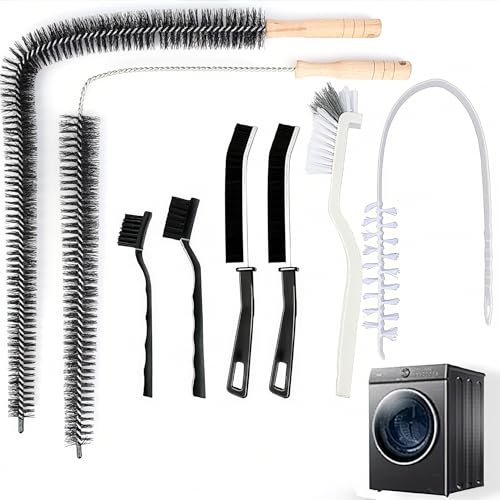

Before You Start
Before beginning, unplug the machine or switch off the circuit breaker to prevent accidental starts. Gather all tools within easy reach and have a towel ready for spills. Park the washer on a dry surface with room to access the filter. Warning: some LG models expose the filter behind a toe-kick panel or access door; for models with a bottom filter, never run a cycle with the filter removed. Allow the drum to cool if it’s recently used to avoid burns. Time estimate: 15–30 minutes depending on model and accessibility.
Step-By-Step: How To Clean LG Washer Filter
- Unplug the washer or switch off the circuit breaker for safety.
- Move the washer slightly to access the filter area, then remove the toe-kick panel or access cover as required by your model.
- Locate the filter housing and carefully unscrew the filter cap. Keep a towel handy for any trapped water.
- Pull out the filter cartridge and rinse it under warm running water to remove lint, hair, and debris.
- Use the LG washing machine filter cleaning brush or tub cleaning brush scraper to dislodge stubborn deposits inside the housing.
- Inspect the pump grille and the tub area for mineral buildup; scrub gently with a brush if needed.
- Reinsert the cleaned filter and tighten the cap securely, ensuring no water leaks from the housing.
- Wipe down the surrounding area, plug the machine back in, and run a short hot or warm cycle to flush the system.
- Check for leaks and ensure the drum spins freely after the cycle completes.
- Resume normal use and consider repeating the cleaning every 1–3 months depending on usage and water hardness.
- If your model uses a separate tub clean mode, run it to remove residual detergent residue and odors.
- Document the date of cleaning for future maintenance planning.
Troubleshooting
| Symptom | Likely Cause | Fix | Prevention |
|---|---|---|---|
| Water won’t drain | Clogged pump filter or hose | Clean pump filter and check drain hose for kinks | Regular filter cleaning schedule |
| Strong odor from washer | Residual detergent and lint buildup | Thorough tub cleaning and run a maintenance cycle | Use approved detergents and avoid overloading |
| Water leaks around filter | Loose filter cap or damaged seal | Retighten cap or replace seal | Handle filter gently and inspect seals seasonally |
| Lint on clothes after wash | Clogged lint filter | Clean lint filter and surrounding housing | Clean regularly and use appropriate detergent |
| Unusual noises during drain | Debris in the pump | Remove debris from the pump area | Keep the filter clean and inspect periodically |
Common Mistakes
- Not unplugging the machine before starting work
- Overtightening the filter cap, causing seals to fail
- Using harsh cleaners that can corrode plastic components
- Ignoring signs of leakage after reassembly
Careful handling of parts and gentle scrubbing help prevent damage and extend the life of the washer.
Tips For Best Results
- Schedule filter cleaning with a monthly maintenance routine if you have hard water.
- Keep a dedicated tub brush in a reachable spot for quick mid-cycle cleanups.
- Use a lint-catching tool after heavy laundry days to minimize buildup.
- Rinse filters thoroughly to avoid soap residue that can cause odors.
- After cleaning, run a quick test cycle with the hottest setting available to maximize flushing.
Call A Professional
Stop and consult a professional if you notice persistent leaks, unusual noises after cleaning, or if the filter refuses to unscrew or reseal. Seek help immediately if there is visible damage to hoses or the pump assembly, or if your model requires disassembly beyond basic filter maintenance.
FAQ
How often should I clean the LG washer filter?
A: Most households benefit from cleaning every 1–3 months, or more often with hard water or high usage.
Can I use a vinegar solution to clean the filter?
A: A mild vinegar rinse can help break down mineral buildup, but avoid using acidic solutions on seals and plastics unless recommended by LG.
What tools are essential for filter maintenance?
A: A dedicated filter cleaning brush, a tub cleaning brush scraper, and the appropriate removal tool for your model are recommended.
What should I do if the filter won’t come loose?
A: Do not force it. Check for a reverse-thread or model-specific access procedure in the user manual, or contact support for guidance.
Is tub cleaning the same as filter cleaning?
A: Not exactly. Filter cleaning targets the drain path, while tub cleaning addresses odor and residue in the drum area.
Will cleaning the filter affect warranty?
A: Routine maintenance is typically allowed; follow the model’s maintenance instructions and keep receipts for any professional service.
Buying Guide
When choosing tools and kits for LG washer filter maintenance, consider compatibility with your specific model, ease of use, and durability. Key buying factors include:
- Size and fit: Ensure the removal tool and brushes are compatible with your filter housing and pump design.
- Material quality: Look for durable plastics and rust-resistant metal components for longevity.
- Ease of use: Ergonomic handles and clear instructions help prevent cross-threading or damage.
- Multi-function kits: Some appliance tub filter cleaning kits include a tub brush scraper and lint tools for comprehensive cleaning.
- Warranty and return policy: Check that the kit offers reasonable coverage in case of compatibility issues.
For most LG models, a combination of a dedicated filter cleaning brush, a tub cleaning brush scraper, and a removal tool covers routine maintenance needs. If you are unsure about compatibility, consult the user manual or reach out to LG support before purchasing.