Linoleum floors are durable and easy to maintain when cared for with the right cleaning approach. This guide walks through practical steps, choosing the right tools, and common mistakes to avoid. Whether you’re refreshing a kitchen, bathroom, or hallway, you’ll learn how to keep linoleum looking its best with safe products and efficient methods.
With the right routine, linoleum floors resist wear, stay glossy, and are easier to mop, scrub, and wipe down. The following sections translate everyday cleaning into actionable steps, highlighting tools that are well-suited for linoleum surfaces in American homes.
Quick Answer
Best initial method: Use a microfiber mop with a mild cleaning solution. For stubborn spots, a gentle floor scrub brush can help. If you’re dealing with heavy grime, a steam mop or rotating floor scrubber can be effective, but avoid excessive heat or harsh scrubbing that could dull the finish.
What You’ll Need
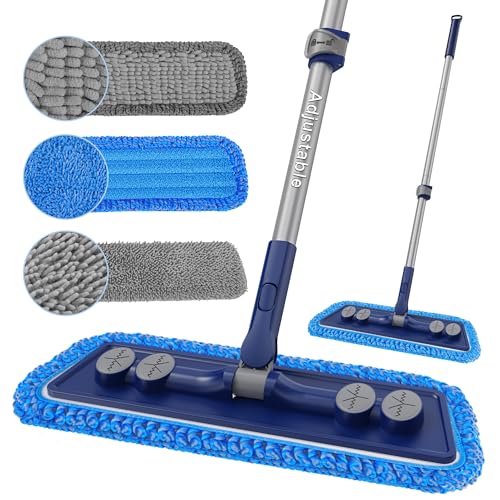
- Microfiber mop for linoleum floors
- Steam mop for linoleum floors
- Floor scrub brush for linoleum floors
- Rotating floor scrubber for linoleum floors
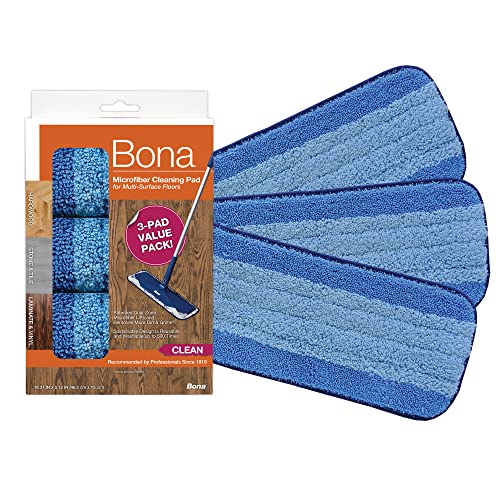
- Microfiber mop replacement pads for linoleum floors

Before You Start
Before cleaning, remove loose debris with a dry dust mop or broom. Vacuum carefully to avoid pushing grit into corners. Test any cleaner in an inconspicuous area to ensure no discoloration or dulling occurs. For safety, wear eye protection if using steam or powerful cleaners near young children or pets. Plan for 15–30 minutes of cleaning for a typical room, longer for large areas or kitchens with heavy traffic. Never use abrasive pads, harsh solvents, or highly acidic cleaners on linoleum.
Step-By-Step: Cleaning Linoleum Floors Safely
- Prepare the area: remove furniture or secure it to avoid contact with cleaning solution.
- Dry sweep or vacuum to remove loose dirt and grit that can scratch the surface.
- Prepare cleaning solution: mix a mild floor cleaner with warm water following product guidelines.
- Mop with microfiber: use a damp (not soaking-wet) mop to lift dirt without soaking seams.
- Tackle stubborn spots: use a floor scrub brush for linoleum floors on marks or sticky residue, applying gentle pressure in a circular motion.
- Rinse or extract excess moisture: go over the floor with a clean damp mop to remove soap residues.
- Dry the surface: thoroughly dry with a clean, dry microfiber pad or towel to prevent water infiltration.
- Repeat as needed: for high-traffic areas, repeat steps 4–7 to maintain shine and cleanliness.
- Spot check: inspect edges and corners for missed grime; re-clean those areas if necessary.
- Optional deep clean: use a steam mop for linoleum floors in a cautious, controlled fashion, avoiding overly long heat exposure on one spot.
- Prevent future buildup: establish a regular cleaning schedule and promptly wipe spills to prevent staining.
Troubleshooting
| Symptom | Likely Cause | Fix | Prevention |
|---|---|---|---|
| Cloudy film after mopping | Residue from cleaner or hard water | Rinse with clean water and re-mop with a damp microfiber pad | Use minimal cleaner and distilled water if possible |
| Streaks on floor | Too much moisture or soap residue | Dry thoroughly and reduce amount of cleanser | Wring mop well; switch to fresh pads |
| Scratches or dull finish | Abrasive scrubbing or grit trapped in mop | Switch to microfiber pads and a soft brush for spots | Remove grit before mopping; avoid abrasive tools |
| Seams lifting after cleaning | Excess moisture near seams | Limit water around edges and dry quickly | Keep moisture off seams; use well-wrung mop |
Common Mistakes
- Using harsh solvents or strong acidic cleaners that can wear the linoleum’s surface.
- Over-wetting the floor, especially around edges and seams, which can cause swelling or warping.
- Scrubbing with abrasive tools that scratch or dull the finish.
- Neglecting to dry the floor after cleaning, increasing slip risk and moisture damage.
- Ignoring manufacturer recommendations for steam or heat exposure on specific linoleum finishes.
Tips For Best Results
- Maintain a routine: light daily dry mopping reduces the need for heavy cleaning.
- Choose a mild cleaner designed for linoleum to protect the finish.
- Use a dedicated microfiber mop and replacement pads to maintain performance and hygiene.
- Rotate cleaning tools to prevent cross-contamination between rooms with different grime levels.
- Test new products on a small area before full-floor use to prevent surprises.
Call A Professional
In cases of persistent staining, warping, or significant discoloration, consider consulting a flooring professional. Stop cleaning and seek a pro if you notice bubbling, delamination, or persistent chemical damage. Professionals can assess wear patterns and recommend refinishing options or floor replacement if needed.
FAQ
Can I use vinegar to clean linoleum floors?
Vinegar can be too acidic for some linoleum finishes. It’s safer to use a mild, pH-balanced cleaner formulated for linoleum.
Is steam cleaning safe for all linoleum floors?
Steam cleaning can be effective, but avoid prolonged heat on one spot and follow manufacturer guidelines. Test first in a small area.
How often should I deep clean linoleum floors?
Deep cleaning every few weeks is typical in high-traffic areas; lighter daily cleaning keeps floors looking fresh.
What tools are best for stubborn stains?
A floor scrub brush for linoleum floors used with a gentle cleaner can help lift stubborn stains without damaging the surface.
Will a rotating floor scrubber damage linoleum?
When used with appropriate pads and settings, rotating scrubbers can clean efficiently, but avoid aggressive scrubbing and excessive moisture near edges.
How do I protect linoleum from scratches?
Use soft microfiber pads, avoid abrasive brushes, and pick up grit with a dry method before mopping.
Buying Guide
When selecting cleaning tools for linoleum floors, consider size, noise level, energy efficiency, controls, and placement. For most homes, a lightweight microfiber mop is ideal for quick daily cleaning, while a steam mop for linoleum floors can handle deeper sanitizing tasks when used with care. If stubborn grime is common, a rotating floor scrubber for linoleum floors may help, but ensure compatibility with your floor’s finish. Replacement pads for microfiber mops extend tool life and keep cleaning results consistent. Assess the room layout, storage space, and whether you need portable options for multiple rooms. For bathrooms and kitchens, prioritize tools that dry quickly and minimize moisture exposure to seams. Compare models by pad absorption, maneuverability, and ease of maintenance to find an approach that suits your cleaning habits and home layout.