Matted hair can be challenging to manage, but with the right approach and the right tools, you can restore smoothness without causing breakage. This guide covers practical steps, safety tips, and tool recommendations to help American readers safely detangle and clean matted hair.
Quick Answer
Start gently with a wide-tooth detangling comb or a detangling brush for wet hair, then progress to a dematting rake for tougher tangles. Work in small sections from ends toward the roots to minimize breakage.
What You’ll Need
- Wide-tooth detangling comb
- Dematting rake for matted hair
- Detangling brush for wet hair
- Knot remover dematting comb for long hair
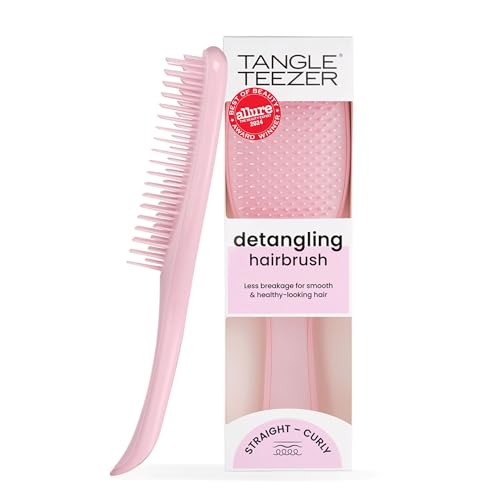
- Professional detangler brush with flexible bristles


Before You Start
Prepare a calm, well-lit space and gather your tools before beginning. If hair is severely tangled or involves knots close to the scalp, proceed slowly to avoid scalp irritation. Patch test any detangling product on a small hair section if you plan to use leave-in conditioners. Allow time for your chosen products to soften knots, especially if hair is very dry or damaged.
Step-By-Step: How To Clean Matted Hair
- Wet or dampen the hair lightly using lukewarm water to soften the matting; avoid hot water which can damage hair.
- Apply aleave with conditioner or detangling spray to the tangled area to coat knots and reduce friction.
- Begin with a wide-tooth detangling comb at the ends, working slowly upward in small sections.
- For stubborn knots, switch to a dematting rake for matted hair and gently lift tangles away from the scalp.
- Use a knot remover dematting comb for long hair on particularly tight knots, taking care near the scalp.
- Move to the detangling brush for wet hair to refine the detangling and smooth the cuticle.
- Continue in small sections, reapplying detangler as needed, until all tangles are lifted.
- Blow-dry on a cool setting or air-dry to prevent heat damage once detangling is complete.
- Finish with a lightweight leave-in conditioner to maintain softness and prevent future tangling.
- Style as desired, avoiding tight pulls that can re-create mats.
- Store tools in a dry, clean place to extend their effectiveness and lifespan.
Troubleshooting
| Symptom | Likely Cause | Fix | Prevention |
|---|---|---|---|
| Hair still knots after detangling | Very tight knots or dry hair | Apply more detangling product and rework sections | Regular conditioning and gentle brushing routines |
| Excess hair shedding during detangling | Overly aggressive combing | Reduce pressure, take smaller sections | Detangle wet hair with gentle tools |
| Scalp tenderness | Knots near the scalp | Work from ends up; avoid yanking | Use scalp-safe detangling technique |
| Product buildup after detangling | Heavy leave-in products | Wash thoroughly and rinse well | Use lighter formulas and less frequent heavy products |
Common Mistakes
- Rushing through knots with force rather than patience
- Using hot water which swells and damages hair fibers
- Skimping on conditioner or detangler before detangling
- Forgetting to dry hair properly, leading to additional tangling
- Choosing tools that are too stiff or hard-bristled for delicate strands
Tips For Best Results
- Detangle from the ends toward the roots to minimize breakage
- Work in small sections and keep nails short to avoid snagging
- Use a conditioner or detangling spray with silicone or lubricating agents for slipperiness
- Regularly trim split ends to reduce future matting
- Maintain a consistent hair care routine to prevent severe tangling over time
Call A Professional
Seek a professional stylist if mats are severe or involve scalp irritation, open wounds, or persistent pain. Immediate professional help is advised for mats that cover large portions of the scalp or require repeated pulling, which can indicate a more serious issue.
FAQ
What is the best tool for detangling extremely matted hair?
The best tool depends on hair type, but a combination approach often works: start with a wide-tooth detangling comb, then use a dematting rake for stubborn mats, and finish with a detangling brush for wet hair.
Can I detangle dry hair safely?
Detangling dry hair is possible but more prone to breakage. It’s safer to detangle when hair is damp or coated with conditioner or detangler.
How often should I detangle matted hair?
Detangle when needed, usually after washing or when tangles become noticeable. Regular light detangling helps prevent severe mats.
Are professional tools necessary for home detangling?
Not strictly, but high-quality detangling tools designed for wet hair and mats can reduce damage and speed up the process.
What should I do if detangling hurts?
Stop, reassess the section, apply more detangler, and use gentler pressure. If pain persists, seek professional help.
Is heat styling bad for matted hair?
Excessive heat can worsen tangling and damage hair; allow proper air-drying or use cool settings when needed.
Buying Guide
When selecting detangling tools for matted hair, consider size, weight, and bristle design. Look for flexible bristles, especially in professional detangler brushes, to minimize tugging. Noise level and portability may matter for on-the-go use. Choose tools that suit your hair type—long hair may benefit from a knot remover dematting comb for targeted knots. A compatible detangler spray or conditioner can complement the tool set and improve performance. Always test a tool on a small section to gauge comfort and effectiveness.