Keeping motorcycle tires clean not only enhances appearance but also helps you inspect for wear and damage more easily. Proper cleaning removes road grime, oil splashes, and brake dust without harming the tire or wheel finish. This guide covers practical steps, recommended products, and safety tips to help riders maintain their tires on a regular schedule.
Quick Answer
Use a dedicated motorcycle tire cleaner spray or foam designed for rubber, apply with a nylon bristle brush, rinse thoroughly, and finish with microfiber towels. Avoid harsh acids and abrasive tools. Clean wheels and tires together for consistent results, then dry and inspect for wear.
What You’ll Need
- motorcycle tire cleaner spray citrus non-acid pH-balanced
- motorcycle wheel and tire cleaner spray
- nylon bristle motorcycle tire cleaning brush
- microfiber detailing towels for motorcycle tires
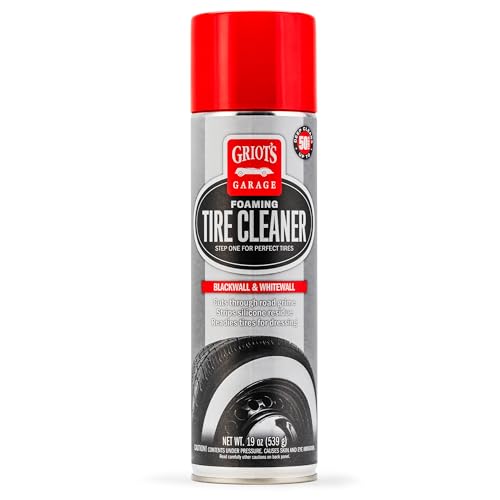
- foam gel tire cleaner for motorcycles


Before You Start
Choose a shaded, cool area to avoid quick drying of cleaners on hot rims. Work on a clean surface to prevent dirt from scratching the tire. Read product labels for surface compatibility and dilution requirements. For safety, wear gloves and eye protection, and avoid spraying cleaner on brake components or exposed motor parts. Time estimate: 15–30 minutes per tire, depending on grime level.
Note: Do not use acidic products on polished rims or alloy wheels, as these can corrode finishes and degrade tire sidewalls over time.
Step-By-Step: How To Clean Motorcycle Tires
- Rinse the tire and wheel with a gentle spray to loosen loose dirt and brake dust.
- Apply a motorcycle wheel and tire cleaner spray evenly across the tire sidewalls and tread. If using foam gel tire cleaner for motorcycles, dispense according to product directions.
- Let the cleaner sit for 1–2 minutes to break down grime, but do not let it dry on the surface.
- Use a nylon bristle motorcycle tire cleaning brush to agitate the tire tread and sidewalls in a circular motion, focusing on grooves and sculpted patterns.
- For particularly dirty areas, reapply cleaner and brush with light pressure, avoiding excessive force that could scratch the rubber or wheel finish.
- Rinse thoroughly with water, ensuring all cleaner residue is removed from the tire and wheel.
- Pat dry with clean microfiber detailing towels for motorcycle tires and inspect the tire for embedded stones, cuts, or wear indicators.
- If you notice stubborn oil or grease, repeat the cleaning cycle or use a citrus-based cleaner designed for rubber, avoiding solvent-based products on painted rims.
- Finish with a final rinse and a drying microfiber to prevent water spots. Store cleaners and tools out of direct sunlight after use.
- Expose the tire to a short, gentle visual check for signs of cracks or sidewall damage. If any issues are found, consult a professional before riding.
- Optional maintenance: apply a tire protectant or conditioner formulated for motorcycle tires to help repel dirt and extend clean appearance, following product directions.
Troubleshooting
| Symptom | Likely Cause | Fix | Prevention |
|---|---|---|---|
| Tire still dirty after cleaning | Insufficient dwell time or wrong cleaner | Reapply cleaner, increase dwell time up to 2 minutes, scrub with nylon brush | Use pre-diluted cleaner suitable for rubber |
| Rubbing or color streaks on rims | Cleaner contacting sensitive rim finishes | Rinse immediately, switch to a non-acid, pH-balanced formula | Cover rims with a light shield or avoid overspray |
| Rim corrosion or dull finish | Acidic cleaners or abrasive tools | Discontinue use of acid cleaners; switch to citrus non-acid products | Regularly rinse and dry rims after cleaning |
| Streaks on tire after drying | Water spots or residue | Dry with microfiber towels promptly | Avoid letting water air-dry on rubber |
Common Mistakes
- Using harsh acidic cleaners on rubber or polished rims.
- Scrubbing with stiff brushes that can abrade tire tread or wheel finishes.
- Letting cleaners dry on the tire before rinsing.
- Neglecting to dry tires thoroughly, leading to water spots or mold growth in crevices.
Tips For Best Results
- Clean tires regularly to prevent buildup of brake dust and road grime.
- Test cleaner on a small, inconspicuous area of the tire first to ensure compatibility.
- Pair a cleaner with a dedicated nylon brush and microfiber towels for best results.
- Always rinse from top to bottom to minimize soap runoff onto brake components.
- After drying, inspect for cuts, bulges, or excessive wear that might require tire service.
Call A Professional
Seek professional help if you notice deep cracks, sidewall bulges, or embedded objects that could compromise tire integrity. Do not ride with suspicious tire damage. If you are unsure about the right cleaner for your wheel finish, consult a shop or tire technician for guidance.
FAQ
What kind of cleaner is best for motorcycle tires?
Choose non-acid, pH-balanced formulas specifically labeled for tires and wheels to avoid damage to rubber and finishes.
Can I use dish soap to clean motorcycle tires?
Dish soap is not ideal for tires and may dry out rubber; use purpose-made tire cleaners for best results.
How often should I clean my tires?
Clean tires whenever you notice grime buildup, typically every 1–2 weeks during heavy use or after riding in dusty or muddy conditions.
Is it safe to use water-based cleaners on chrome rims?
Water-based cleaners are generally safe, but always check compatibility with chrome and use approved products to prevent staining or corrosion.
Buying Guide
Key Buying Factors
The right tire-cleaning routine depends on tire material, wheel finish, and riding conditions. Consider the following factors to choose products that fit your setup and maintenance cadence.
- <bSize and coverage: Ensure cleaners come in sufficient spray or foam volume to cover both tires and wheels efficiently.
- Noise level and ease of use: Simple spray-and-wipe formulas reduce mess and noise during cleaning, which can be beneficial for casual riders and enthusiasts alike.
- Energy efficiency and environmental friendliness: Look for biodegradable formulas that break down grime without aggressive chemical reactions.
- Controls: Easy-to-follow directions, clear dwell times, and dilution guides help avoid misuse and maximize results.
- Placement: Choose sprays or foams designed for motorcycle wheels and tires, ensuring compatibility with common rim finishes (aluminum, chrome, painted).
When evaluating products, consider a complete kit that includes a nylon bristle motorcycle tire cleaning brush and microfiber detailing towels for motorcycle tires, as this pairing often yields the best cleaning results. For maintenance between cleanings, a foam gel tire cleaner for motorcycles typically offers quick, effective spot cleaning without heavy scrubbing.