Non-slip bath mats help prevent slips in damp bathrooms, but their safety features rely on regular cleaning. Proper care removes mold, mildew, and soap scum without weakening the mat’s grip or wear. The following guide provides a practical, step-by-step method using common cleaning tools and supplies.
Whether you own a classic rubber mat or a modern textile mat with grip nubs, consistent cleaning keeps surfaces sanitary and skin-friendly. Readers can adapt these steps to many mat materials while prioritizing safety and effectiveness.
Quick Answer
Rinse the mat to remove loose debris, scrub with a mild detergent using a non-abrasive brush, rinse thoroughly, and air-dry completely in a sunny or well-ventilated area. For stubborn mold, a diluted bleach solution or white vinegar can be used, followed by a thorough rinse and dry.
What You’ll Need
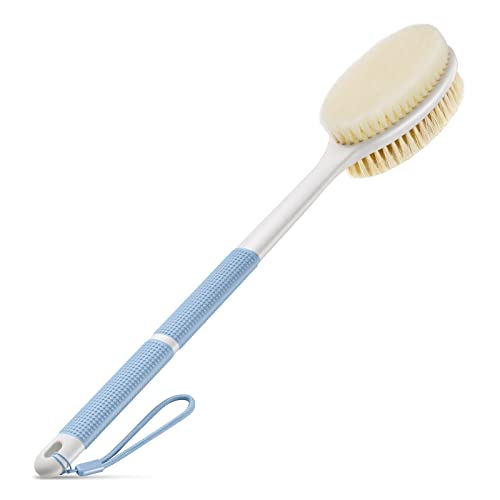
- non-slip bath mat cleaning brush
- long-handled bath mat scrubber
- nylon bristle bath mat scrub brush
- microfiber cleaning cloth for bath mats
- bath mat squeegee for drying


Before You Start
Establish a cleaning area with good ventilation. Lay a towel or mat to protect floors during scrubbing. Check the mat’s care label for any material-specific instructions. Time estimate: 15–30 minutes per cleaning cycle. Avoid harsh chemicals on natural fibers and never mix bleach with ammonia.
Step-By-Step: How To Clean A Non-Slip Bath Mat
- Remove the mat from the tub or shower stall and shake it to dislodge loose hair and dirt.
- Rinse both sides with warm water to loosen soap scum and grime.
- Fill a basin or tub with warm water and add a small amount of mild detergent suitable for rubber or textile mats.
- Use a non-abrasive nylon bristle bath mat scrub brush or non-slip bath mat cleaning brush to scrub the mat’s surface and underside, paying attention to textured areas.
- For stubborn mold or mildew, apply a diluted solution of white vinegar or a manufacturer-approved cleaner, let it sit for a few minutes, then scrub again.
- Rinse thoroughly with clean water until no soap residue remains. Wipe excess water with a microfiber cleaning cloth for bath mats.
- Use a bath mat squeegee for drying to remove standing water from the surface and inner grooves.
- Place the mat flat or hang it to air-dry completely in a sunny spot or a well-ventilated area. Ensure both sides are fully dry before reusing.
- Inspect the mat after drying; if it remains slippery, consider deeper cleaning or replacement if the grip has worn.
- Return the mat to its place once dry, ensuring the edges are flat to prevent tripping hazards.
Troubleshooting
| Symptom | Likely Cause | Fix | Prevention |
|---|---|---|---|
| Mildew smell persists after cleaning | Mats stored while damp | Ensure thorough drying; use a fan or hair dryer on low heat | Air-dry in a sunny, ventilated area |
| Streaks or soap residue | Excess detergent or insufficient rinsing | Rinse repeatedly; wipe with microfiber cloth | Use minimal cleaner and thorough rinse |
| Grip feels reduced | Wear or deteriorated backing | Replace mat if backing is compromised | Rotate mats and clean regularly to maintain grip |
| Color fading or material damage | Harsh cleaners | Switch to mild detergents or vinegar solution | Follow care label guidelines |
Common Mistakes
- Using abrasive brushes that scratch the mat’s surface or backing
- Overloading the cleaning solution or neglecting a thorough rinse
- Skimping on drying time, leaving moisture to promote mold
- Neglecting underside cleaning, which can harbor mildew
Tips For Best Results
- Schedule monthly cleanings for rubber mats and every few weeks for fabric-backed mats, depending on usage.
- Alternate between mild cleansers and a vinegar solution to reduce soap buildup.
- Always dry both sides completely; damp mats are a magnet for mold growth.
- Keep a dedicated cleaning brush specifically for mats to avoid cross-contamination with other surfaces.
- Store mats vertically in a dry area when not in use to improve airflow and drying speed.
Call A Professional
Consider professional help if the mat shows persistent mold that reappears after cleaning, or if the backing is splitting or peeling. Severe deterioration of grip or structural damage may warrant replacement rather than repair.
FAQ
Can I use bleach to clean a non-slip bath mat?
Yes, in a diluted form and with ample rinsing, but avoid harsh concentrations on delicate materials and always follow the care label.
How often should I clean a non-slip bath mat?
Most mats benefit from a monthly cleaning; higher-traffic bathrooms may require biweekly cleaning.
Is it safe to machine-wash a bath mat?
Some rubber or textile mats are machine-washable on gentle cycles; check the care tag before washing.
What drying method is best?
Air-drying in a sunny, ventilated area is ideal; a bath mat squeegee helps remove excess water for faster drying.
For many households, a routine that combines brushing, mild detergents, and thorough drying keeps non-slip bath mats hygienic and effective. Using the right tools—such as a non-slip bath mat cleaning brush, long-handled scrubber, nylon bristle brushes, and microfiber cloths—helps maintain grip and prolong mat life while reducing mold growth and soap buildup.
Buying Guide
When choosing a non-slip bath mat, consider size, grip stability, material compatibility, and ease of cleaning. A larger mat offers more coverage but may take longer to dry. Look for non-slip backing that remains effective when wet and a surface texture that traps moisture without scuffing bathroom floors. Noise level is not typically a concern for mats, but ease of handling and storage are important for busy households. Energy efficiency is not a variable for mats, but selecting simple, durable materials reduces replacement frequency.
Key buying factors include:
- Size: Measure bath or shower footprint and mat area to ensure full coverage.
- Material: Rubber and vinyl mats clean easily; fabric-backed mats require gentler care to preserve grip.
- Backer quality: A strong non-slip backing prevents movement on wet floors.
- Cleaning compatibility: Choose mats compatible with your preferred cleaning methods (brush types, vinegar, mild detergents).
- Maintenance: Consider how easy it is to dry and store the mat after cleaning.
- Placement: Ensure the mat lies flat and does not curl at the edges for safety.
Thinking about performance and upkeep, a practical approach balances grip, ease of cleaning, and durability. If you frequently experience mold or crumbling backing, upgrading to a higher-quality mat may be wise. Would you like help comparing specific models based on these factors?