Oily pillowcases can accumulate oils from skin, hair oils, and cosmetic products. Proper pretreatment and the right supplies make stain removal faster and more effective. The following guide uses common household methods plus targeted products to tackle grease without damaging fabrics.
This step-by-step approach emphasizes safe handling, effective stain lifting, and routine care to keep pillowcases looking clean and fresh.
Quick Answer
Act quickly when you notice an oil stain. Blot excess oil, apply a grease-focused pretreatment, use a grease stain remover spray for fabrics or fabric stain remover pen for grease, work in with a microfiber cleaning cloth, and launder as soon as possible on an appropriate cycle for the fabric.
What You’ll Need
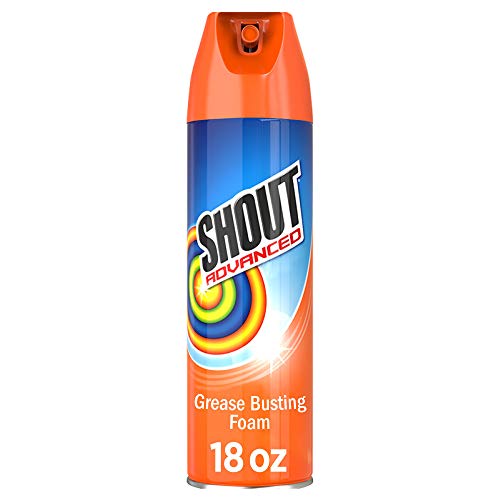
- Grease stain remover spray for fabrics or fabric stain remover pen for grease
- Microfiber cleaning cloth for fabric oil stains
- Soft laundry brush for fabric stains
- Laundry stain pretreatment gel for grease on fabrics


Before You Start
Check care labels on pillowcases to avoid heat damage. Run a quick water test on a hidden seam if you’re unsure about fabric compatibility. Do not machine dry until the stain is fully removed to prevent setting the grease. Time estimate: 15–45 minutes for pretreatment plus a normal wash cycle.
Safety note: Work in a well-ventilated area when applying chemical pretreatments and follow product instructions. For delicate fabrics such as silk blends, use gentler methods and spot-test first.
Step-By-Step: How To Clean Oily Pillowcases
- Blot excess oil with a clean cloth without rubbing to avoid pushing the grease deeper into fibers.
- Apply laundry stain pretreatment gel for grease on fabrics directly to the stain, covering all greasy areas.
- Gently rub with a soft laundry brush for fabric stains to work the gel into the fibers.
- Let the pretreatment sit for 5–10 minutes to penetrate oils, then wipe away any residue with a microfiber cloth.
- Spot-treat any remaining spots with grease stain remover spray for fabrics or fabric stain remover pen for grease, following product directions.
- Place the pillowcases in the washing machine on the hottest setting allowed by the care label, using regular detergent. Add extra rinse if possible.
- Air-dry the pillowcases or use a low-heat dryer only if the care label permits, avoiding high heat that can set any remaining grease.
- Inspect after washing. If grease remains, repeat pretreatment and wash cycle before drying.
- For stubborn stains, repeat steps 2–5 once more before final drying.
- Return to normal laundering routine, ensuring pillowcases are fully dry before reuse.
- Regular maintenance: treat oil as soon as you notice it and consider a quick mid-week wash for frequently used pillowcases.
Troubleshooting
| Symptom | Likely Cause | Fix | Prevention |
|---|---|---|---|
| Stain remains after first wash | Grease penetrated fibers | Repeat pretreatment, rewash, and inspect before drying | Treat promptly; avoid rubbing and heat setting |
| Discoloration around stain | Over-application or chemical reaction | Rinse thoroughly and wash again with diluted detergent | Test products on a hidden area first |
| Stains reappear after drying | Oil set in during heat exposure | Rewash with pretreatment before drying next time | Air-dry when possible |
| Fabric damaged or color fading | Harsh chemical or aggressive scrubbing | Switch to gentler products or a milder detergent | Always follow care labels and test on small areas |
Common Mistakes
- Waiting too long to pretreat stains, which makes oils harder to lift
- Rubbing aggressively, which drives grease deeper into fibers
- Using hot water on delicate fabrics if the care label warns against it
- Skipping a full rinse cycle, leaving residue that can attract more dirt
Tips For Best Results
- Pre-treat stains as soon as possible for maximum effectiveness.
- Work from the outside edges toward the center of the stain to prevent spreading.
- For repeated stains, consider switching to a targeted spray in addition to a pen for a layered approach.
- Choose a wash cycle appropriate to the fabric weight and color fastness to protect pillowcase fibers.
- Air-dry fragile fabrics to assess stain removal before heat exposure.
Call A Professional
Seek professional cleaning if pillowcases are made of delicate fabrics (such as silk variants) or if stains persist after multiple pretreatment and wash cycles. If the stain covers a large area or shows color bleed, a professional cleaner can assess fiber integrity and recommend safe solvent use.
FAQ
Can I use bleach on oily pillowcase stains?
Bleach is not recommended for many fabrics and can set stains or damage fibers. Check the fabric care label and prefer stain removers designed for grease first.
Will hot water help remove grease from pillowcases?
Hot water can help some stains, but for many fabrics it may set grease. Follow care labels and use appropriate temperature settings for the fabric.
How long should pretreatment sit before washing?
Most gels or sprays work best after 5–10 minutes, but always follow product directions on the label.
Can I wash multiple pillowcases together with stains?
Yes, but pre-treat heavily stained pieces to prevent transfer to less-stained items.
Buying Guide
When selecting products to tackle oily pillowcases, consider size, effectiveness, and compatibility with fabrics. Look for items specifically formulated for grease on fabrics and tests that show safe use on cotton blends and microfiber pillowcases. Consider the following factors:
- Size and coverage: Choose sprays, gels, or pens that fit your typical stain size and offer easy spot treatment as well as broader coverage.
- Performance on fabrics: Cotton blends are more forgiving than delicate silks. Verify compatibility with pillowcase fabrics before heavy use.
- Ease of use: Pens are great for precise spots; sprays cover larger areas; gels require rubbing to work into fibers.
- Stain removal efficiency: A combination approach—pretreatment gel plus a stain remover spray or pen—often yields the best results on grease stains.
- Safety and materials: Look for dermatologist-tested or fragrance-free options if sensitive skin or pillowcase use is frequent.
- Maintenance compatibility: Ensure the products work well with regular laundry detergents and common washing machines.
- Placement considerations: Treat stains before washing and avoid overdosing on detergent to prevent residue buildup.
With the right tools and a consistent routine, oily pillowcases can be kept clean and fresh. Do you often wash pillowcases mid-week? A quick pretreatment and a targeted wash can save time and extend fabric life.