Oriental rugs add timeless beauty to a room, but these delicate fibers require careful cleaning to preserve their color, texture, and value. This guide outlines practical steps to safely refresh wool, silk, and wool-silk blends using common tools and affordable products available in the U.S. market.
Quick Answer
For most domestic cleaning, use a gentle, wool-safe spray, a soft brush, and a rug cleaning machine or carpet cleaner attachment suited for oriental rugs. Always test a hidden area first, work in cold water, and avoid over-wetting to prevent dye bleed and warp.
What You’ll Need
- Rug cleaning machine for wool oriental rugs
- Carpet cleaner attachment for oriental rug
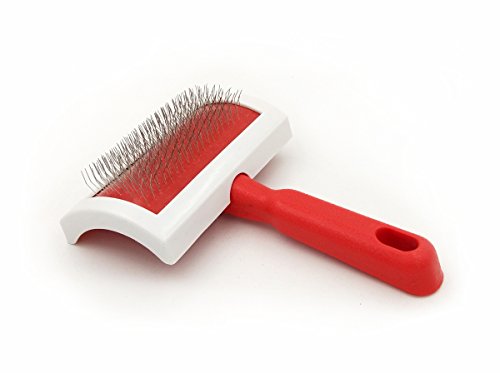
- Rug cleaning brush set for wool silk oriental rugs
- Fringe cleaning brush for oriental rugs
- Wool-safe rug cleaning spray stain remover for oriental rugs


Before You Start
Inspect the rug for loose threads, thin areas, or moth damage. Vacuum both sides with a gentle setting, using a rug attachment to avoid harsh agitation. Identify the dye fastness by testing a small corner with a wool-safe spray; if color transfers to a white cloth, discontinue cleaning in that area. Plan cleaning on a dry, mild day to allow sufficient drying time. Never use hot water or high-sudsing cleaners on natural fibers, as heat can set stains and shrink fibers.
Step-By-Step: How To Clean Oriental Rugs
- Lay the rug flat on a clean surface or hang it over a railing to access both sides safely.
- Vacuum thoroughly, brushing in the direction of the nap. Use the fringe cleaning brush for edges and tassels, avoiding aggressive scrubbing.
- Spot-treat any stains with the wool-safe rug cleaning spray stain remover. Apply sparingly, blot with a clean cloth, and allow to sit briefly before gentle brushing.
- Prepare a very mild cleaning solution if a deeper clean is needed. Use a small amount of wool-safe detergent or pH-balanced cleaner diluted in cold water.
- Apply cleaning solution with a light spray or sponge, working in sections from center to edges to prevent over-wetting.
- Gently agitate with a rug cleaning brush set for wool silk oriental rugs, paying attention to high-soil areas without scrubbing fibers loose.
- Rinse using a damp cloth or a gentle stream of water from a spray bottle. Avoid soaking; remove excess moisture with a clean towel by blotting, not rubbing.
- Use a rug cleaning machine for wool oriental rugs or a carpet cleaner attachment for oriental rug to extract remaining moisture. Operate slowly and evenly to minimize saturation.
- Air-dry in a well-ventilated area, away from direct sunlight and heat sources. If needed, use a fan or dehumidifier to speed drying and prevent color bleeding.
- Once dry, brush the nap with a soft brush to restore pile direction and resilience. Inspect for any remaining spots and repeat treatment if necessary.
- Reassess the rug’s condition after 24–48 hours; store cleaning tools properly and resume normal use once fully dry.
Troubleshooting
| Symptom | Likely Cause | Fix | Prevention |
|---|---|---|---|
| Dye transfer to cloth | Too strong a cleaner or overheated water | Rinse thoroughly with cold water; re-test dye fastness before continuing | Always test spot area first |
| Stiff, crunchy fibers after cleaning | Over-wetting or improper drying | Blot excess moisture; ensure thorough but gentle drying; brush nap | Use minimal moisture; dry naturally |
| Fringe fraying or damage | Rough brushing or scrubbing | Switch to fringe cleaning brush and gentle strokes | Carefully separate fringe from pile during cleaning |
| Persistent odor | Residual moisture or mold risk | Increase drying area and airflow; consider a deodorizing spray designed for wool | Dry promptly and evenly |
Common Mistakes
- Using hot water or high-suds cleaners on natural fibers
- Over-wetting the rug, especially wool or silk blends
- Scrubbing fringes or edges too aggressively
- Ignoring hidden stains that set over time
- Poor drying conditions leading to mildew or color bleed
Tips For Best Results
- Always test cleaning products on a hidden rug corner before full use
- Use a soft brush to lift nap and avoid harsh abrasives on wool and silk fibers
- Work in small sections to control moisture and allow even drying
- Place the rug on a clean, dry surface during cleaning to prevent contamination
- Monitor colorfastness when using spray stain removers; discontinue if dyes bleed
Call A Professional
Seek professional help if the rug shows significant dye migration, large fringe damage, severe fading, or if the rug is valuable or antique. Stop DIY cleaning if you notice bulking, shrinkage, or changes in texture after treatment. For wool or silk oriental rugs with delicate knots, a professional restorer or conservator can assess and execute a meticulous cleaning plan.
FAQ
How often should I clean an oriental rug?
Typically every 6–12 months for high-traffic areas; frequency depends on foot traffic, spills, and pet exposure.
Can I machine wash an oriental rug?
Most wool and silk oriental rugs should not be machine washed; use appropriate tools and techniques for spot cleaning and shallow cleaning only.
Is it safe to use vinegar on oriental rugs?
Vinegar can be too harsh for some dyes; test in a hidden area and use only milder cleaners recommended for wool or silk.
What about rug fringes after cleaning?
Fringes are delicate; use a fringe cleaning brush and avoid saturating fringes with moisture.
How do I Dry oriental rugs properly?
Dry in a well-ventilated area away from direct sun, using fans or dehumidifiers to speed evaporation and prevent color bleeding.
Can I use a cleaning machine on silk rugs?
Only if the machine has settings for delicate fabrics and you follow the rug’s dye fastness and fiber guidelines.
Buying Guide
Choosing the right cleaning approach for oriental rugs involves several factors:
- Size and weight affect how easily you can maneuver the rug and the cleaning equipment needed
- Noise level matters for home use; look for machines labeled as quiet operation
- Energy efficiency reduces running costs if you frequently perform cleaning sessions
- Controls simple, precise controls help manage water, heat, and suction without risking fiber damage
- Placement consider drying space; ensure the rug can be laid flat or draped with proper airflow
When comparing options, evaluate compatibility with wool and silk fibers, availability of wool-safe cleaners, and accessories like fringe brushes. If the rug has significant value or intricate knots, prioritize professional cleaning services over DIY methods.