Oven fan filters and range hood grease filters play a crucial role in removing steam, smoke, and cooking odors from your kitchen. Over time, grease buildup can reduce efficiency and airflow. This guide explains a practical, step-by-step method to clean oven fan filters and related components, keeping your kitchen vent system performing like new.
Quick Answer
Fast method: Remove the filter, soak in warm, soapy water with a degreasing spray, scrub with a brush, rinse, dry completely, and reinstall. For stubborn buildup, apply a degreaser spray and repeat.
What You’ll Need
- Oven vent hood filter cleaning brush
- Range hood grease filter cleaner brush stainless steel
- Stainless steel range hood filter replacement 10×20 inch
- Oven fan filter cleaning kit
- Grease filter degreaser spray for range hood

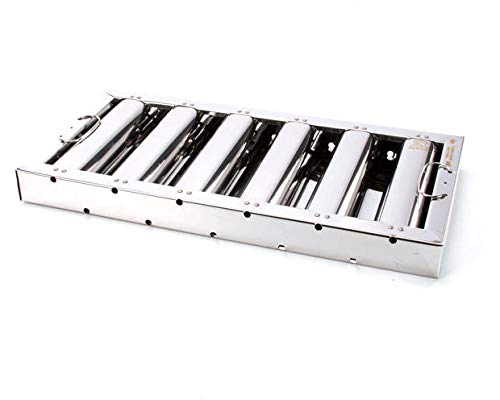

Before You Start
Safety comes first. Ensure the appliance is unplugged or the circuit is switched off before handling filters. Remove filters in a well-ventilated area and wear gloves to protect hands from sharp edges and hot surfaces. Expect to invest about 20–40 minutes per filter depending on buildup. Avoid harsh abrasives that can scratch stainless steel surfaces.
Step-By-Step: How To Clean Oven Fan Filter
- Turn off power to the range hood or oven fan to prevent accidental activation.
- Remove the grease filter from the hood, noting how it sits for easy reinstallation.
- Gently shake off loose debris over a sink or tray to reduce splatter.
- Prepare a warm, sudsy bath using dish soap. Add a small amount of grease filter degreaser spray if the buildup is heavy.
- Submerge the filter in the solution and let it soak for 10–15 minutes to loosen grease.
- Use the oven vent hood filter cleaning brush to scrub both sides of the filter, focusing on corners and perforations.
- Rinse thoroughly under warm running water until all soap and grease are removed.
- Dry the filter completely with a towel or air-dry before reinstalling to prevent mold growth.
Troubleshooting
| Symptom | Likely Cause | Fix | Prevention |
|---|---|---|---|
| Filter remains greasy after washing | Insufficient soaking time | Soak longer or apply degreaser spray and rewash | Clean regularly to prevent hard buildup |
| Grease particles visible after rinse | Residue trapped in perforations | scrub with brush and re-rinse | Rinse with gentle agitation and air dry fully |
| Filter warps or corrodes | Harsh cleaners or high heat exposure | Use approved degreaser; avoid abrasive products | Handle gently; store in a dry area |
| Unpleasant odor after cleaning | Residual grease or moisture | Dry completely; rewash and air out | Regular maintenance to prevent odor buildup |
Common Mistakes
- Using hot water on delicate filters; this can deform plastic components.
- Scrubbing too aggressively; stainless steel can scratch and dull finish.
- Skipping the drying step; moisture encourages mold growth inside the hood.
- Forgetting to replace damaged filters; continued use may reduce ventilation efficiency.
Tips For Best Results
- Schedule a routine cleaning every 1–3 months, depending on cooking frequency and oil usage.
- Use a dedicated brush designed for grease filters to avoid damaging metal perforations.
- Combine a degreaser spray with warm water for tougher buildup; always follow product instructions.
- Keep spare filters on hand, especially if the replacement 10×20 inch size fits your hood model.
- Wipe down the hood exterior while filters soak to reduce overall grease transfer.
Call A Professional
Contact a pro if you notice persistent odors after cleaning, visible damage to the filter frame, or if the hood fails to vent efficiently despite a clean filter. Warning signs include unusual noises, overheating, or inconsistent fan operation. If you are unsure about electrical safety or the correct replacement size, seek professional guidance.
FAQ
How often should I clean oven fan filters?
Most households benefit from cleaning every 1–3 months, or sooner with heavy cooking or oil usage.
Can I use any degreaser spray on stainless steel filters?
Use a degreaser labeled safe for stainless steel and follow the manufacturer’s directions to avoid damage.
What size is a typical stainless steel range hood filter?
Common sizes include 10×20 inches, but measure your current filter to confirm compatibility.
Is it okay to run the hood while the filter air is wet?
No. Allow the filter to dry completely before reinstalling to prevent mold and odor.
Buying Guide
When shopping for oven vent and range hood filters, consider the following factors to ensure optimal ventilation and ease of maintenance:
Size and Fit
Measure the current filter or hood opening to confirm a proper fit. Filters commonly come in standard sizes like 10×20 inches, but variations exist across brands and models.
Material and Construction
Stainless steel filters offer durability and corrosion resistance, while paper or plastic variants may be lighter but less durable.
Cleaning Compatibility
Look for products and brushes designed for grease removal, including filter cleaning kits and dedicated cleaning brushes for stainless steel surfaces.
Cleaning Tools and Accessories
Having a dedicated oven vent hood filter cleaning brush and a grease filter degreaser spray simplifies maintenance and extends filter life.
Replacement vs. Reusable
Some filters are replaceable and readily available in common sizes, while others are reusable with regular cleaning. Assess your hood’s design and maintenance preference.
Noise, Energy, and Placement Considerations
While filters don’t directly impact noise levels, a clean hood improves airflow and efficiency, potentially reducing fan strain. Consider hood placement in relation to cooking zones and ceiling height for optimal venting.
With the right tools and a routine, keeping oven fan and grease filters clean helps maintain effective ventilation, reduces kitchen odors, and prolongs hood life. If you prefer, you can follow the steps above using the recommended tools such as an oven vent hood filter cleaning brush, a range hood grease filter cleaner brush stainless steel, and an oven fan filter cleaning kit to streamline the process.