Parking sensors help prevent dings and scrapes, but they rely on clean surfaces to function correctly. This guide explains a simple, safe process to clean sensors without causing damage, using common car-care items and a focused set of tools.
Whether you’re addressing seasonal grime, after-wash residue, or everyday dust, keeping parking sensors clear improves accuracy during low-visibility situations and tight parking spaces.
Quick Answer
To clean parking sensors quickly: gather a sensor cleaning spray, a microfiber cloth, and a gentle brush or wipes. Gently spray and wipe the sensors, then dry with a clean cloth. Avoid harsh solvents or abrasive pads and test the system afterward.
What You’ll Need
- Parking sensor cleaning spray for cars
- Car parking assist sensor cleaning kit
- Microfiber cloth for cleaning parking sensors
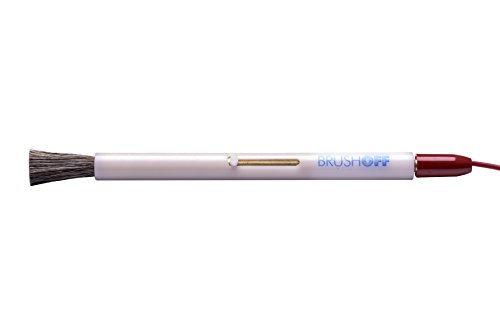
- Parking sensor cleaning brush
- Sensor cleaning wipes for car parking sensors

Before You Start
Prepare a clean, shaded workspace and ensure the vehicle is turned off. Move gently around the sensors to avoid contact with sharp edges or mounting hardware. Avoid using boiling water, strong solvents, or abrasive tools, which can damage sensor housings or wiring. Allow the surface to air dry or use a soft towel for quick drying. Estimate 5–10 minutes for a basic cleaning, longer if you’re dealing with heavy grime.
Step-By-Step: How To Clean Parking Sensors
- Inspect each sensor for obvious damage or cracks before cleaning.
- Gently remove loose dust with a dry microfiber cloth to avoid scratching the sensor dome.
- Apply a light mist of sensor cleaning spray designed for cars to the microfiber cloth, not directly on the sensor.
- Wipe the sensor surface in a circular motion from the center outward to dislodge grime.
- Use a soft cleaning brush to loosen any stubborn debris around the sensor rim without applying pressure to the wiring.
- Wipe again with a clean, dry microfiber cloth to remove moisture and residue.
- For towels or wipes, ensure all residue is removed and surfaces are completely dry.
- Re-inspect sensors after cleaning to confirm a clear, reflective surface.
- Test the parking assist system at a safe distance to verify improved detection, if available.
- Store cleaning tools in a dry place and replace any worn cloths to prevent micro-scratches on future uses.
- If grime persists, repeat the process with a slightly damp cloth, then dry thoroughly.
- Document any recurring grime causes (road salt, mud, or road spray) to adjust washing frequency.
Troubleshooting
| Symptom | Likely Cause | Fix | Prevention |
|---|---|---|---|
| Sensor fails to detect objects after cleaning | Residual residue or moisture | Wipe with dry microfiber cloth until completely dry | Keep sensors dry after washing |
| Rings or smudges seen on sensor | Dirty cleaning cloth or spray residue | Use a fresh microfiber cloth and minimal spray | Use dedicated sensor spray, not all-purpose cleaners |
| No improvement in detection | Damaged sensor housing | Inspect for cracks or loose fittings | Professional inspection if damage is found |
| Uneven cleaning around sensor edges | Hard debris baked on | Gently use the cleaning brush to loosen debris | Avoid aggressive scraping |
Common Mistakes
- Using harsh solvents or household cleaners on sensors
- Spraying directly onto the sensor surface
- Using abrasive pads or rough towels
- Ignoring sensor damage and continuing to operate the system
Tips For Best Results
- Clean sensors regularly, especially after winter road treatment or heavy rain.
- Keep a dedicated sensor cleaning kit or wipes in the glove box for on-the-go touchups.
- Test the system in an open, obstacle-free area after cleaning to verify proper function.
- Store microfiber cloths separately from other cleaning fabrics to prevent cross-contamination.
- Use soft, lint-free wipes to avoid leaving fibers on the sensor surface.
Call A Professional
Seek professional help if you notice persistent sensor errors, cracks in the housing, or if the cleaning does not restore proper operation. Stop using the vehicle if warning indicators persist and schedule a diagnostic with an automotive technician.
FAQ
Can I use water to clean parking sensors?
Water alone is acceptable for light cleaning, but a dedicated sensor cleaning spray helps remove oils and residue more effectively.
Will cleaning sensors void my warranty?
Cleaning sensors with non-abrasive products typically does not void warranties, but avoid damage from improper handling.
How often should I clean parking sensors?
Clean monthly or after exposure to harsh elements (salt, mud, or spray) to maintain accuracy.
What should I do if my sensors stop working after cleaning?
Recheck connections and housing for damage; if issues persist, consult a pro for diagnostic testing.
Buying Guide
When choosing sensor-cleaning supplies, consider size, compatibility, and cleaning efficacy. Look for kits that include a dedicated sensor cleaning spray, microfiber cloths, and a soft brush for debris around the sensor rims. Consider sensor-specific wipes for quick touchups and travel-friendly options for on-the-road maintenance. A compact, dedicated kit reduces the risk of cross-contamination with household cleaners and ensures you always have the right materials on hand. For best results, select products that are labeled safe for automotive electronics and sensor housings, and verify that they are compatible with standard parking assist systems used in most U.S. vehicles.