Many copper items develop a natural patina that can be desirable for aesthetics, but there are times when a bright, polished finish is preferred. This guide provides a practical, step-by-step method to safely remove patina from copper using common tools and safer alternatives. Readers will learn what supplies work best, how to proceed without scratching the metal, and how to maintain the shine over time.
Quick Answer
Quick Method: Start with the mildest option and progress to more aggressive methods only if needed. For delicate surfaces, use a jeweler’s rouge polish with a soft cloth; for tougher patina, consider non-abrasive pads or a rotary tool with proper protection. Always rinse and dry thoroughly to prevent water spots and oxidation.
What You’ll Need
- 0000 steel wool copper cleaning
- nylon scrub pad for copper patina removal
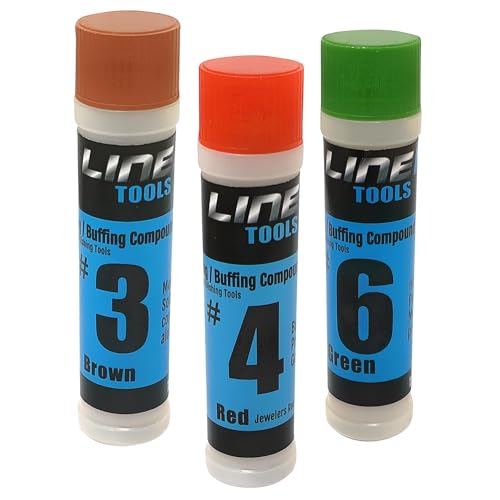
- jeweler’s rouge polishing compound for copper
- rotary tool copper polishing wheel
- brass wire brush for copper patina removal


Before You Start
Assess the copper item for coatings or lacquer. If the surface is lacquered, stripping the coating may be necessary before patina removal. Always test a small, inconspicuous area first. Work in a well-ventilated area and wear protective gloves to prevent skin irritation. Time estimates vary by patina depth: light cleaning may take 5–15 minutes; heavy patina removal could require 20–45 minutes. Do not use abrasive solvents on sensitive finishes and avoid applying excessive pressure on thin or decorative pieces.
Step-By-Step: How To Clean Patina Off Copper
- Prepare the surface by cleaning with mild soap and water, then dry completely to remove surface oils.
- If the patina is light, begin with a nylon scrub pad for copper patina removal to lift surface oxidation without scratching.
- For stubborn areas, apply a small amount of jeweler’s rouge polishing compound for copper on a soft cloth and rub gently in circular motions.
- Switch to a 0000 steel wool copper cleaning pad only if the patina is deeply etched or very stubborn; use light pressure to avoid marring the metal.
- Use a brass wire brush for copper patina removal on the outer edges or textured surfaces, keeping brush strokes consistent and light to prevent gouging.
- For larger surfaces, attach a rotary tool copper polishing wheel and work in small sections, maintaining a steady, low speed to prevent heat buildup and streaking.
- Wipe the area clean with a microfiber cloth; inspect for remaining patina and repeat steps as needed, focusing on problem spots.
- Rinse with clean water and dry thoroughly. A light coat of mineral oil can help protect the polished finish.
- Offer a final polish with a soft cloth to bring out the luster and even tone across the piece.
- Store in a dry place and monitor for any changes in appearance, repeating steps if new oxidation appears.
- If a lacquered finish exists, consider reapplying a compatible sealant after polishing to maintain the sheen.
Troubleshooting
| Symptom | Likely Cause | Fix | Prevention |
|---|---|---|---|
| Uneven shine or streaks | Inconsistent pressure or incomplete removal | Repolish small areas with a soft cloth and adjust pressure | Use consistent, light strokes |
| Scratches visible after cleaning | Abrasive material used too aggressively | Switch to softer pads and avoid steel wool on delicate pieces | Test on inconspicuous area first |
| Patina returns quickly | Exposure to moisture or air causing oxidation | Apply light oil or sealant after polishing | Keep item dry and stored away from humidity |
| Discoloration or heat marks | Overheating during polishing | Pause, allow metal to cool, resume with lower speed | Limit tool speed and duration |
Common Mistakes
- Using high-pressure or heavy abrasives on delicate copper surfaces
- Proceeding without testing on a hidden area first
- Failing to rinse and dry thoroughly after cleaning, leading to new oxidation
- Overlooking coated or lacquered finishes that require different treatment
Tips For Best Results
- Always begin with the gentlest method; progressive methods reduce risk of damage.
- Maintain a consistent angle and pressure when using pads or brushes to avoid uneven results.
- Use a clean cloth for each polishing stage to prevent transferring debris back onto the surface.
- For large items, work in sections to ensure even patina removal across the entire piece.
- After polishing, protect the surface with a light oil or sealant suitable for copper to slow re-oxidation.
Call A Professional
Consult a professional if the copper item is highly valuable, antique, or has complex engravings that could be damaged by improper polishing. Stop and seek help if the surface shows deep pitting, extensive solder joints, or compromised structural integrity. If the item is collectible or has a patina that is part of its value, consider preservation rather than removal.
FAQ
Can I use household cleaners to remove patina from copper?
Household cleaners can be too harsh and may damage copper or coatings. Use purpose-made or mild polishing products and test first.
Will patina reappear after cleaning?
Yes, copper naturally oxidizes. Regular protection with oil or sealant helps slow patina return.
Is polished copper protected against tarnish?
Protective coatings help, but routine maintenance is still recommended to maintain shine.
What is the safest method for antique or delicate copper pieces?
Start with non-abrasive methods and consult a professional if uncertain.
Buying Guide
When selecting products to clean copper, consider size, surface finish, and the level of patina. For light oxidation, gentler options like nylon scrub pads paired with mild polishing compounds work well. For heavy patina on durable surfaces, a combination of soft abrasives and a rotary tool with appropriate attachments can be effective, but require careful control. Remember to choose tools compatible with copper and appropriate for the item’s delicacy and finish.
Key Buying Factors
- Size and coverage: Choose tools that fit the work area—smaller pads for tight spots, larger pads for broad surfaces.
- Noise and vibration: Rotary tools can be louder; consider models with adjustable speed and vibration dampening for comfort.
- Material compatibility: Use 0000 steel wool only on robust pieces; soft nylon pads and polishing compounds on delicate surfaces.
- Energy efficiency: Battery-powered tools offer portability and efficient operation; check battery life for extended projects.
- Controls and ergonomics: Look for comfortable handles, smooth speed control, and secure accessory attachment.
- Placement and storage: Keep polishing supplies in a dry, organized area to prevent contamination and accidental use on non-copper metals.
- Sealants and finishes: If preserving shine, select compatible sealants to reduce future tarnish.