Vinegar offers a natural, inexpensive option for refreshing outdoor pavers without harsh chemicals. This guide explains a practical approach to cleaning concrete or stone pavers using vinegar, while leveraging common cleaning tools to maximize effectiveness and minimize wear on surfaces.
While vinegar is a gentle cleaner, some stubborn stains may require additional methods or products. The steps below balance environmental friendliness with practical results for typical American patios and walkways.
Quick Answer
Use a mild vinegar solution (white distilled vinegar and water), scrub with an appropriate brush, and rinse thoroughly. For larger areas or tougher buildup, combine vinegar cleaning with a mechanical option like a surface cleaner or power washer brush attachment to speed up the process.
What You’ll Need
- White distilled vinegar
- Water container for mixing
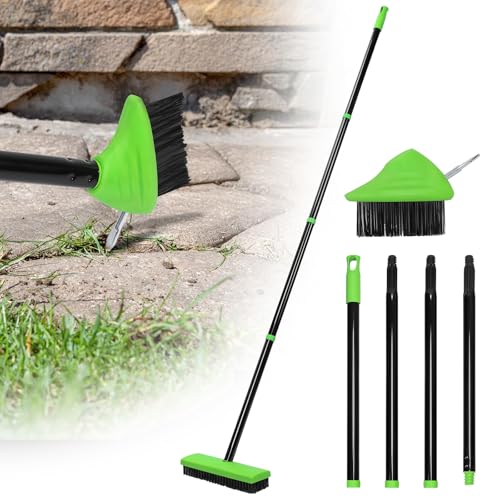
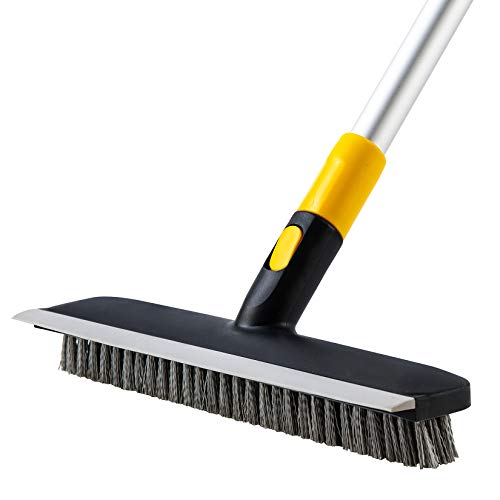
- Stiff nylon patio brush 18 inch for paver cleaning
- Pressure washer surface cleaner for concrete pavers 15 inch
- Paver cleaning brush attachment for power washer
- Outdoor scrub brush with long handle for patio pavers
- Masonry scrub brush set for concrete pavers

Before You Start
Assess the area for loose pavers, weed growth, and surface damage. Clear debris, move furniture, and cover nearby plants or grass if needed. Work in sections to ensure even cleaning and avoid letting vinegar sit on the stones too long.
Safety cautions: wear gloves and eye protection. Test vinegar on a small, inconspicuous area first to confirm it won’t affect the color or surface texture. Vinegar is acidic, so avoid contact with metal features and sealants that could be damaged.
Time estimate: 1–2 hours for a typical residential patio, depending on square footage and stain severity.
Step-By-Step: How To Clean Pavers With Vinegar
- Mix a cleaning solution using white distilled vinegar and water in a 1:1 ratio in a spray bottle or a shallow bucket.
- Apply the solution to the pavers, focusing on stained or discolored sections. Allow it to sit for 5–10 minutes to loosen grime.
- Use a outdoor scrub brush with long handle or a stiff nylon patio brush 18 inch to scrub the pavers, moving in a consistent pattern to avoid streaks.
- For larger areas, attach a paver cleaning brush attachment for power washer to a compatible pressure washer and use on a low to medium pressure setting to avoid etching joints.
- Optionally, run a pressure washer surface cleaner for concrete pavers 15 inch to further lift embedded grime without directly blasting the joints.
- Rinse the area thoroughly with clean water, ensuring all vinegar residue is removed and the surface is damp but not pooling.
- Reassess spots that still appear stained and repeat the scrubbing step as needed. Avoid leaving vinegar on the surface longer than necessary to prevent potential color fading.
- Allow the pavers to dry completely. If some stains persist, a second pass with a focused brush (brought to bear by the masonry scrub brush set for concrete pavers) can help.
- For persistent organic stains (moss, algae), consider applying the vinegar solution with a spray bottle, letting it sit, then following with a final scrub and rinse.
- After drying, reseal pavers if a sealer is used in the project area to maintain cleanliness and reduce future staining.
- Inspect joints and re-check high-traffic areas; repeat cleaning annually or as needed to maintain appearance.
Troubleshooting
| Symptom | Likely Cause | Fix | Prevention |
|---|---|---|---|
| Stains persist after vinegar scrub | Stubborn oil or organic stains | Spot-treat with a slightly stronger cleaner or repeat vinegar cycle | Address spills quickly; clean regularly |
| Discoloration after washing | Etching or overly aggressive cleaning | Switch to lower pressure and gentler brush; rinse thoroughly | Test area first; avoid high-pressure use on sensitive pavers |
| Green algae growth returns quickly | Moist shaded area | Increase cleaning frequency; consider an alga-resistant sealer | Improve drainage; prune shading vegetation |
| Joint mortar washing out | Excessive pressure near joints | Move nozzle away from joints; use a brush-only approach | Use gentler methods near joints |
Common Mistakes
- Using straight, non-diluted vinegar on delicate pavers
- Leaving vinegar on the surface for extended periods
- Rushing with extreme pressure or harsh brushes on joints
- Neglecting rinsing, which can leave a film or attract dirt
Sticking to a diluted vinegar approach and gentle brushing helps preserve color and texture while achieving clean, presentable pavers.
Tips For Best Results
- Use vinegar with warm water for improved cleaning power, while ensuring you don’t overheat the solution on sensitive stones.
- Work in shade or during cool parts of the day to prevent rapid evaporation that reduces effectiveness.
- Combine tools: a long-handle brush for initial scrubbing and a power-washer brush attachment for stubborn areas.
- Rinse thoroughly in a broad pattern to prevent water run-off from carrying dirt onto cleaned areas.
- Document areas that stain easily and consider targeted maintenance or sealing after cleaning.
Call A Professional
Stop and call a professional if you notice:
- Cracked or loose pavers or significant joint damage
- Persistent deep staining that does not respond to gentle cleaning
- Uncertain surface types, such as aged natural stone, where incorrect cleaning could cause damage
FAQ
Can vinegar damage concrete pavers?
In normal use, a diluted vinegar solution is safe for most concrete pavers. Always test a small area first and avoid prolonged exposure.
How long should vinegar sit on pavers?
Let the solution sit 5–10 minutes before scrubbing, then rinse thoroughly.
Should I seal pavers after cleaning with vinegar?
Sealing can help protect against stains and algae. Wait until pavers are completely dry before applying.
Can I use a pressure washer with vinegar?
Yes, but use a low to medium setting and a brush attachment to control impact and protect joints.
What about discoloration after cleaning?
Light discoloration may occur if the surface was etched. Use gentler methods and consider resealing if needed.
Is baking soda helpful after vinegar cleaning?
Rinsing with water is usually enough; baking soda can be used for odor control, but avoid mixing directly with vinegar on porous surfaces.
Buying Guide
When choosing tools for cleaning pavers with vinegars and light mechanical help, consider size, ergonomics, and compatibility with your surface. The right combination can reduce effort and improve results while protecting the paver surface.
- <bSize and reach: A long-handled brush (like an 18-inch stiff nylon brush) helps reach wide areas without bending, while a 15-inch surface cleaner can cover more ground quickly on flat patios.
- <bNoise level and power: If you choose power-assisted cleaning, select a model with adjustable pressure to protect joints and colors, and consider a quieter unit if neighbors are close.
- <bEnergy efficiency: Look for energy-efficient spray systems and water-efficient pressure washers when using attachments that rely on external power.
- <bControls and ease of use: Quick-connect nozzles and simple trigger controls reduce setup time and fatigue during large projects.
- <bPlacement and coverage: Plan the path to minimize missed spots; consider how a surface cleaner or brush attachment will fit around patio furniture and plan accordingly.
Choosing sturdy, purpose-built tools like a paver cleaning brush attachment for power washers and a masonry scrub brush set ensures compatibility with common cleaning tasks. Always follow manufacturer recommendations for use with vinegar solutions and water pressure to maintain the longevity of tools and pavers alike.