Polishing cloths, especially microfiber varieties, are essential for achieving showroom-worthy finishes on a range of surfaces. Proper cleaning extends their life, maintains their lint-free performance, and prevents streaks or micro-scratches. This guide covers practical methods for washing, drying, and maintaining microfiber cloths used for polishing, with a focus on US-cleaning habits and product options that help simplify the process.
Quick Answer
Rinse microfiber cloths in warm water with a gentle, dedicated detergent, avoid fabric softeners, air-dry or tumble-dry on a low setting, and store in a clean container or bag to prevent contamination. Use a lint-free microfiber polishing cloth set for best results, and repeat every few uses to maintain performance.
What You’ll Need
The following tools and supplies are recommended for cleaning polishing cloths, drawing from common microfiber care products:
- Microfiber cloth washing bag mesh
- Delicate fabric detergent for microfiber cloths
- Lint-free microfiber polishing cloth set
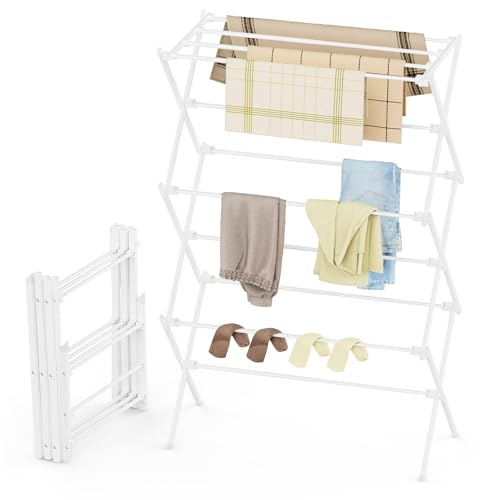
- Polishing cloth drying rack
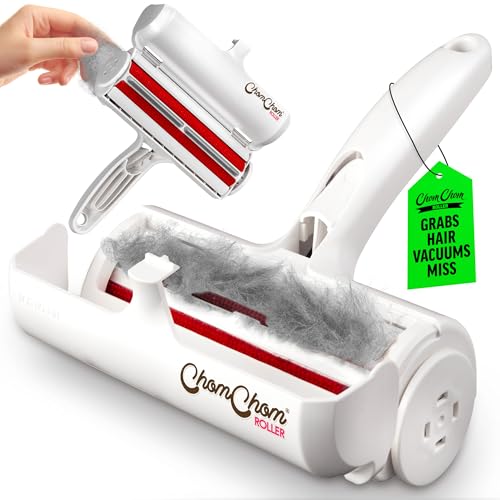
- Microfiber cloth lint roller remover tool

Before You Start
Before washing, sort polishing cloths from other laundry to minimize lint transfer. Inspect for ground-in residue or oils that may require pre-rinsing. Use a gentle cycle with warm water and a small amount of delicate detergent designed for microfiber. Do not use bleach or fabric softeners, as these can reduce absorption and create oily films on surfaces. Plan for about 20–40 minutes of total preparation and washing time, depending on the batch size.
Critical cautions: never wash microfiber cloths with regular cotton towels or items that shed lint; always use a dedicated microfiber detergent; avoid high heat during drying, which can degrade fibers over time.
Step-By-Step: How To Clean Polishing Cloths
- Gather all used microfiber polishing cloths and place them in a microfiber cloth washing bag mesh to prevent tangling and lint transfer.
- Rinse under lukewarm water to remove loose dust and residues before washing.
- Fill the washing bag with delicate fabric detergent for microfiber cloths, using the manufacturer’s suggested amount for small loads.
- Run a gentle cycle on your washing machine with cool or warm water, avoiding hot water which can break down microfiber fibers.
- After washing, remove the cloths promptly and inspect for remaining lint or residue.
- Dry using a polishing cloth drying rack or in a low-heat setting in the dryer if the fabric care label allows it; avoid high heat which can cause pilling or fiber damage.
- When dry, run a quick inspection to ensure there is no lint left on the cloths that could transfer to surfaces during polishing.
- Store the clean cloths in a sealed container or dedicated drawer to prevent exposure to dust and oils.
- For ongoing maintenance, refresh cloths every several uses with a light wash, and replace severely worn or stained pieces from the lint-free microfiber polishing cloth set.
- If lint or residue persists, use a microfiber cloth lint roller remover tool to carefully lift embedded particles before use.
- Regularly refresh the washing routine and avoid cross-contamination with other fabrics to maintain optimal polishing performance.
Troubleshooting
| Symptom | Likely Cause | Fix | Prevention |
|---|---|---|---|
| Cloths leave lint on surfaces | Old or dirty lint trapped in fibers | Repeat wash with fresh detergent; use a lint roller remover tool | Wash separately from lint-producing fabrics |
| Cloths feel stiff or scratchy after wash | Residual detergent or hard water minerals | Rinse thoroughly; consider a rinse cycle with extra water | Use distilled water for final rinse if your water is hard |
| Cloths smell musty | Moisture retained after drying | Ensure complete drying; use drying rack in a dry area | Dry promptly after use; avoid stuffing wet cloths together |
| Colors fading or uneven appearance | Overloading or hot wash | Wash smaller loads; use warm or cool water only | Follow care labels; avoid excessive heat |
| Cloths not absorbing well | Residue buildup from cleaners | Wash with plain warm water or light detergent; skip fabric softeners | Clean cloths regularly; rotate inventory |
Common Mistakes
- Using regular laundry detergents without microfiber-specific formulas
- Adding fabric softeners or dryer sheets
- Washing with cotton towels or other lint-prone fabrics
- Overloading the washing machine or using high heat during drying
- Waiting too long between washes, allowing oils to harden on fibers
Attention to these pitfalls helps maintain the cloths’ lint-free performance and longevity.
Tips For Best Results
- Always separate polishing cloths from towels or other fabrics to reduce lint transfer.
- Use a dedicated washing bag to protect delicate fibers during cycles.
- Choose a detergent formulated for microfiber to preserve softness and absorbency.
- Air-dry whenever possible; if using a dryer, select a low-heat setting and remove promptly.
- Inspect cloths after washing and before each polish; replace worn pieces from the lint-free microfiber polishing cloth set as needed.
Call A Professional
If cloths show persistent staining, oil saturation, or physical damage like fraying that affects performance, seek professional assistance from a cleaning or detailing service. Seek immediate help if moisture damage or mold is suspected in stored cloths, as prolonged exposure can pose health risks.
FAQ
Should I wash polishing cloths with other microfiber products?
It is best to wash them separately or with other microfiber items to prevent lint transfer and cross-contamination of residues.
Can I use hot water to clean microfiber polishing cloths?
Hot water can weaken fibers and reduce effectiveness; use warm or cool water for best results.
Is fabric softener safe for microfiber cloths?
No, fabric softeners reduce absorbency and leave residues that hinder polishing performance.
How often should I replace polishing cloths?
Replace worn or heavily stained cloths whenever they show reduced absorbency or leave streaks.
Buying Guide
Choosing the right items for cleaning polishing cloths involves considering size, material, and compatibility with your existing tools. A lint-free microfiber polishing cloth set ensures consistent results across projects, while a polishing cloth drying rack helps maintain airflow for faster drying. For storage and transport, use a microfiber cloth washing bag mesh to protect delicate fibers. A delicate fabric detergent for microfiber cloths keeps fibers soft and preserves lint-free performance. If lint is stubborn, a microfiber cloth lint roller remover tool can help without introducing new fibers. When selecting products, verify compatibility with your washing machine, dryer, and the surfaces you polish to maximize the lifespan and effectiveness of your polishing cloths.
Key buying factors to consider include:
- Size and quantity: Choose packs that cover your typical workload without requiring frequent replacement.
- Fabric care: Look for detergents specifically formulated for microfiber cloths to avoid residue buildup.
- Drying options: A dedicated drying rack supports gentle, even drying and reduces heat damage.
- Storage: Sturdy containers or bags protect clean cloths from dust and oils.
- Replacement indicators: Worn edges, piling, or color transfer signal when it’s time for new cloths.
Thinking about a complete care system? A synchronized set of tools—washing bag, detergent, drying rack, and a lint removal tool—streamlines maintenance and helps keep polishing results consistent and reliable.