Polyester fiber batting is commonly used in couch cushions for its resilience and softness. Over time, oils, sweat, and dust can build up, causing the batting to look flat or feel damp. This guide explains practical, house-cleaning steps using common tools to refresh polyester batting without damaging the fabric or cushions.
Quick Answer
For a quick refresh, use a handheld upholstery steam cleaner on the polyester batting, followed by a gentle vacuum with an upholstery brush. Treat stains with a dedicated stain remover spray, then allow cushions to air dry completely to prevent mold growth.
What You’ll Need
- Handheld upholstery steam cleaner for polyester sofa
- Portable fabric extractor for sofa upholstery polyester
- Vacuum with upholstery brush attachment for sofa cleaning
- Microfiber scrub brush set for sofa cleaning polyester
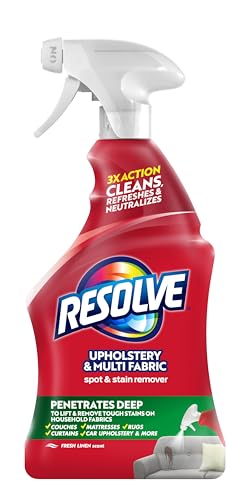
- Stain remover spray for polyester sofa fabric


Before You Start
Clear the area and remove cushion covers if possible. Test any cleaning tool or chemical on a hidden area to ensure no color transfer or fabric damage occurs. Use a low-moisture approach to avoid soaking the batting, which can lead to mildew. Work in a well-ventilated area and allow cushions to dry completely before use. Do not saturate polyester batting or cushions with water.
Step-By-Step: How To Clean Polyester Fiber Batting On A Couch
- Remove removable cushion covers and set cushions aside in a well-ventilated area.
- Vacuum the couch surfaces with the upholstery brush attachment to remove loose dust and debris.
- Use the handheld upholstery steam cleaner on the outer fabric to lift surface soil without soaking the batting.
- Gently scrub any stained areas with a microfiber brush from the microfiber scrub brush set for sofa cleaning polyester.
- Apply a stain remover spray for polyester sofa fabric to stained spots; follow label directions for dwell time.
- Run the steam cleaner over affected areas again to help lift gone-in stains while flushing loosened soil.
- Use a portable fabric extractor for sofa upholstery polyester to remove excess moisture and shampoo residues if needed.
- Let cushions dry partially in a ventilated area. If possible, position cushions to maximize airflow and speed drying.
- Reassemble cushions and replace covers once completely dry to prevent mildew formation.
- Re-vacuum lightly after drying to restore pile and fluffiness of the batting.
- Inspect for residual stains; repeat targeted cleaning only on affected spots.
- Final check: ensure all cushions feel dry to touch before use.
Troubleshooting
| Symptom | Likely Cause | Fix | Prevention |
|---|---|---|---|
| Persistent dampness after cleaning | Over-wetting the fabric/batting | Reduce moisture; use extractor to remove water | Moderate cleaning, test areas first |
| Streaks or water rings | Uneven application of cleaning agents | Re-treat with minimal product, even strokes | Use consistent technique and fast-drying environment |
| Color transfer to fur or skin | Cleaning solution interaction with dye | Discontinue use on affected area; replace with mild cleaner | Always test on hidden area |
| Re-emergence of stains after drying | Deep-set stains | Spot-clean again with stain remover and repeat drying | Pre-treat tough stains early |
Common Mistakes
- Using too much water on polyester batting, which leads to mildew.
- Over-saturating cushions and failing to dry thoroughly.
- Using harsh cleaners on delicate upholstery or dye-rich fabrics.
- Neglecting to test cleaners on hidden fabric areas.
Prevent these by opting for low-moisture methods, following product instructions, and allowing full drying time between cleaning sessions.
Tips For Best Results
- Work in sections to avoid over-wetting; clean one cushion at a time if possible.
- Always perform a quick test on an inconspicuous area before tackling visible stains.
- Combine a light vacuum with a steam dry approach to lift soil without saturating the batting.
- Brush the fabric lightly after cleaning to restore the loft of the batting.
- Use a dedicated stain remover spray designed for polyester fabrics for best results.
Call A Professional
Consider a professional cleaning if the cushions show persistent odors, mold signs, or color bleed that you cannot safely resolve. Stop cleaning and seek expert help if you notice swelling, delamination of cushion cores, or any structural damage.
FAQ
Can I clean polyester fiber batting without removing the cushions?
Yes, cleaning can be done with spot cleaning and light steam, but removing cushions allows better access and airflow for thorough drying.
Is steam cleaning safe for polyester sofa fabrics?
Steam can be safe when used on low heat and with minimal moisture; always test first and avoid soaking the batting.
How long does it take for cushions to dry after cleaning?
Drying time varies with humidity and airflow but typically ranges from several hours to a full day.
What if stains return after cleaning?
Reassess the stain type, reapply a suitable stain remover, and consider repeating the process with careful moisture control.
Can I machine wash cushion covers?
Only if the covers are machine washable; remove any padding and follow manufacturer care instructions.
Do I need special tools for polyester batting cleaning?
A vacuum with upholstery attachment, a handheld steam cleaner, and a microfiber brush set are typically sufficient.
Are there alternatives to stain removers?
Vinegar or light solvent-based cleaners can work on some stains, but test first and avoid bleach on colored fabrics.
Buying Guide
When shopping for tools to clean polyester fiber batting on a couch, consider size, energy use, and ease of use. A compact handheld steam cleaner is ideal for spot-cleaning and targeted treatments, while a portable fabric extractor can help remove moisture and residues without soaking. Look for a vacuum with a strong suction and a dedicated upholstery brush to lift debris without damaging fibers. A microfiber scrub brush set supports gentle scrubbing for stubborn stains. For best results, choose a stain remover spray formulated for polyester to ensure fabric-safe chemistry. Think about noise levels, ease of storage, and whether the devices are compatible with home cleaning routines.