Pottery Barn couches typically use a variety of upholstery fabrics, from performance blends to delicate textures. Proper cleaning preserves color, texture, and comfort while avoiding damage. This guide provides practical, step‑by‑step methods tailored to common fabric types found in high‑quality living room seating.
Quick Answer
Spot clean spills immediately with a gentle approach, then use the recommended cleaners for your fabric type. For most fabrics, start with a mild spray and blot, not rub, to lift stains without saturating the cushion foam.
What You’ll Need
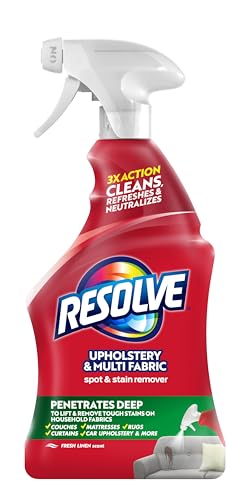
- Upolstery fabric cleaner spray for sofas
- Sofa fabric stain remover kit with brush
- Microfiber cleaning cloths for upholstery
- Upholstery steam cleaner for sofa
- Leather couch cleaner kit with conditioner (if leather components exist)


Before You Start
Check the Couch Care Label: Pottery Barn fabrics often come with care instructions. When in doubt, test any cleaner in an inconspicuous area first and wait 24 hours to observe colorfastness. Protect surrounding areas from moisture and use a gentle touch to minimize fiber distortion. Time estimates: 30–60 minutes for a quick clean, 2–3 hours for a thorough refresh (including drying time).
Critical cautions: avoid soaking the fabric, do not use harsh solvents on delicate textiles, and never use abrasive brushes that can damage pile fibers. If the couch includes leather components, follow leather care guidelines to prevent staining or drying out finishes.
Step-By-Step: How To Clean A Pottery Barn Couch
- Identify the fabric type and choose a compatible cleaner: water‑based cleaners work well for most synthetic fabrics, while natural fibers may require specific formulations.
- Blot fresh spills with a clean microfiber cloth to absorb liquids without spreading stains.
- Apply a light mist of upholstery fabric cleaner spray for sofas or use a sofa fabric stain remover kit with brush for targeted stains.
- Gently work the cleaner into the fabric using the brush in a circular motion or with the microfiber cloth, focusing on stained areas without oversaturating.
- Rinse or blot away residual cleaner with a clean damp cloth, then blot again with a dry microfiber cloth to remove surface moisture.
- For deeper cleaning, use an upholstery steam cleaner for sofas along the fabric surface at a low humidity setting and minimal heat—keep the nozzle in motion to avoid over-wetting.
- Allow the couch to air dry completely before using it again; speed up drying by opening windows or using a fan, ensuring cushions return to their shape.
- Reassess any persistent stains; repeat a targeted cleaning of the area using the same method if necessary, avoiding over‑treatment that could weaken fibers.
- Condition leather components with a suitable leather couch cleaner kit with conditioner, if applicable, and wipe away excess conditioner.
- Finish with a light vacuum pass over the upholstery to lift any loosened fibers and restore appearance.
- Regular maintenance: schedule monthly quick cleanings and quarterly deeper cleanings to keep the fabric looking fresh.
- Store cleaning supplies out of reach of children and pets and label tools to prevent cross‑contamination between fabrics.
Troubleshooting
| Symptom | Likely Cause | Fix | Prevention |
|---|---|---|---|
| Stain resists after initial cleaning | Stain embedded in fibers | Apply stain remover kit again with brushing; consider steam cleaning on a low setting | Treat stains promptly |
| Fabric becomes stiff after cleaning | Excess cleaner residue | Blot with damp cloth and repeat drying; avoid over-wetting | Test cleaners and use minimal amounts |
| Color transfer to cloth when damp | Bleed from dyes | Rinse with clean water and pat dry; use colorfast test first | Use colorfast-safe products and spot tests |
| Rings or watermarks on surface | Inconsistent drying | Increase airflow and ensure even moisture removal | Clean in sections; dry thoroughly between passes |
Common Mistakes To Avoid
- Using hot water or high heat during cleaning, which can set stains.
- Over‑spraying cleaners, leading to tacky surfaces or longer drying times.
- Rubbing aggressively, which damages fibers or blends.
- Ignoring care labels, resulting in incorrect products for the fabric.
Tips For Best Results
- Always perform a colorfast test in a hidden area before applying any cleaner widely.
- Blot rather than rub to maintain fabric texture and avoid fiber fraying.
- Use microfiber cloths designed for upholstery to maximize absorption and reduce lint.
- For heavily used areas, schedule periodic professional cleanings to maintain appearance and extend fabric life.
Call A Professional
Consider a pro when: stains are deeply set, cleaning requires steam with high heat, the fabric is delicate or labeled as dry clean only, or the sofa includes complex leather and fabric components that require coordinated care. If there is fading, dye transfer, or persistent odors after several cleanings, seek expert services to prevent permanent damage.
FAQ
What is the best cleaner for upholstery on a Pottery Barn couch?
Choose an upholstery fabric cleaner spray for sofas or a sofa fabric stain remover kit with brush that is compatible with your fabric type and test on a hidden area first.
Can I use a steam cleaner on all upholstery fabrics?
Steam cleaners work well on many synthetic fabrics but may not be suitable for delicate fibers or natural materials; always follow the fabric care label and test first.
How do I remove oil-based stains from fabric?
Blot excess oil, apply a stain remover designed for oil residues, and gently work in before rinsing; avoid rubbing to prevent fiber damage.
Is it safe to clean a leather couch with spray cleaners?
Leather requires a dedicated kit with conditioner; avoid fabric cleaners on leather unless the product is specifically labeled for leather use.
How often should I clean a Pottery Barn couch?
Perform a quick monthly spot clean and a deeper quarterly cleaning, adjusting frequency based on usage and household conditions.
Should I vacuum before cleaning?
Yes, vacuuming before treatment removes surface dust and debris, helping cleaners work more effectively.
What should I do with strong odors?
Ventilate the room and consider a fabric refresher or professional cleaning if odors persist beyond routine cleaning.
Buying Guide
When selecting cleaning products or preparing to clean a Pottery Barn couch, consider size, fabric type, and cleaning goals. Look at the following factors to optimize results and safeguard fabric integrity.
Size and coverage: Larger couches may require multiple cleaning sessions; check product coverage and coverage per bottle or kit to avoid running out mid‑clean. For bigger sections, a compatible upholstery steam cleaner may speed up the process.
Fabric compatibility: Confirm that cleaners are suitable for your couch’s fabric (synthetic blends, natural fibers, or leather components). Delicate fabrics often need milder formulations.
Noise level and ease of use: Steam cleaners and electric cleaners vary in noise and effort. Look for models with adjustable heat and low noise if possible, especially for shared living spaces.
Energy efficiency: If using steam cleaning or powered cleaners, consider energy‑efficient options to minimize electricity use while delivering effective cleaning.
Controls and safety: Choose products with clear instructions, child‑safe caps, and automatic shutoffs when relevant. Always follow label directions for safety and effectiveness.
Placement and storage: Store cleaners in a cool, dry place away from direct sunlight. Keep tools and brushes organized near the cleaning station for quick access during spot treatment.