Red quarry tiles add rustic warmth to hallways, kitchens, and entryways. Proper care keeps their color vibrant and their surface smooth. This guide explains practical methods using common tools and safe cleaners to maintain red quarry tile with minimal effort and mess, tailored for American homes.
Whether you’re refreshing a small entry or tackling a larger kitchen floor, following a structured routine helps prevent staining and wear. The steps below cover everyday cleaning, stain removal, and maintenance strategies that work with typical quarry tile installations.
Quick Answer
Best quick method: sweep or vacuum, rinse, and use a pH-neutral tile cleaner with a microfiber mop. For grout lines, a stiff nylon grout brush or ergonomic angled-head brush helps restore color. For stubborn mineral or rust stains, apply a pumice stone cleaner gently and rinse well. Regular care with these tools prevents deep staining and preserves the red tone.
What You’ll Need
- Stiff nylon grout brush for quarry tile cleaning
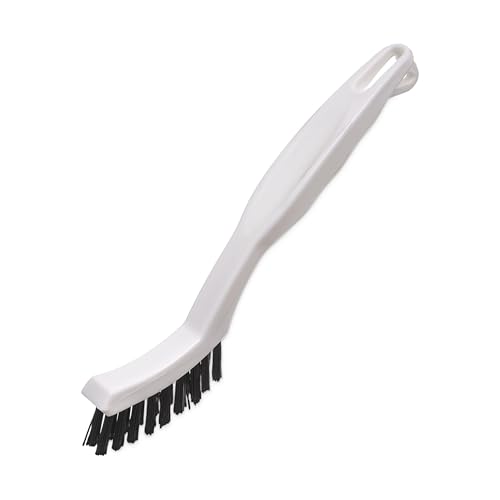
- Ergonomic grout brush with angled head for quarry tiles
- Pumice stone tile cleaner for red quarry tiles
- pH-neutral tile cleaner concentrate for quarry tiles
- Microfiber mop with tile cleaning pad for quarry tiles


Before You Start
Assess the tile surface for cracks or loose tiles, and repair any damage before cleaning. Protect adjacent furnishings and appliances with drop cloths or towels. Work in a well-ventilated area if using cleaning concentrates. Avoid acidic cleaners on quarry tile as they can etch the surface. Time estimates vary by area: small baths may take 20–40 minutes, larger spaces 1–2 hours including drying time.
Step-By-Step: How To Clean Red Quarry Tiles
- Remove debris by sweeping or vacuuming the floor thoroughly to prevent gritty particles from scratching the tile surface.
- Prepare a mild cleaning solution using a pH-neutral tile cleaner concentrate for quarry tiles according to product directions. Dilution is key to avoid residue buildup.
- Apply the solution with a microfiber mop with tile cleaning pad for quarry tiles. Work in small sections to maintain a consistent clean and prevent drying streaks.
- For grout lines, use a stiff nylon grout brush for quarry tile cleaning or an ergonomic grout brush with angled head for quarry tiles to scrub along the joints.
- Rinse the floor with clean water to remove cleaner residue. A second pass with a damp mop helps prevent film on the tiles.
- For stubborn stains, such as mineral deposits, rub a pumice stone tile cleaner for red quarry tiles on a damp surface with gentle pressure. Rinse immediately after use and dry the area.
- Dry the floor with a clean, dry microfiber pad or towel to prevent water spots and potential mildew in grout lines.
- Inspect the grout lines after cleaning. If discoloration remains, repeat brushing with grout brushes and apply a light cleaner solution again, followed by thorough rinsing.
- Establish a routine: light cleaning every week and a deeper grout-focused clean every 4–6 weeks to maintain color and texture.
- Store cleaners properly in a cool, dry place, away from children and pets, and label containers clearly to avoid misuse.
- Optional maintenance: apply a tile sealer if the grout appears very porous or if you frequently experience staining, following manufacturer guidelines.
Troubleshooting
| Symptom | Likely Cause | Fix | Prevention |
|---|---|---|---|
| Dull or hazy film after cleaning | Residual cleaner or hard water minerals | Re-clean with a fresh mop using plain water, then dry | Use distilled water for mopping when minerals are an issue |
| Stubborn grout staining | Deep-set grime in joints | Scrub with nylon grout brushes and re-clean with pH-neutral solution | Clean grout lines more frequently to prevent buildup |
| Tile surface etched or discolored | Acidic cleaners used | Cease acidic products immediately | Stick to pH-neutral cleaners designed for quarry tiles |
| Water pooling or streaks | Uneven surface or cleaning method | Rinse and dry with a microfiber pad; ensure even coverage | Maintain a consistent cleaning technique across the area |
Common Mistakes
- Using acidic or abrasive cleaners on red quarry tiles, which can damage finish.
- Over-wetting the floor, leading to extended drying times and grout swelling.
- Neglecting grout care, allowing discoloration to establish.
- Using overly harsh brushes that scratch the tile surface.
Tips For Best Results
Work in the light to better spot residue and stains. Always test a small, inconspicuous area before applying any cleaner to the entire floor. For high-traffic zones, consider a floor wax or sealer recommendation from tile manufacturers to reduce staining risk. Rotate cleaning tools to prevent cross-contamination between grout and tile surfaces.
Call A Professional
Stop and call a pro if you notice cracked tiles, loose grout, or water damage that exceeds typical cleaning scenarios. Professional guidance is advised for large-scale red quarry tile installations, persistent stains that do not respond to standard cleaners, or when color restoration requires specialized products or sealing.
FAQ
What is the best cleaner for red quarry tiles?
A pH-neutral tile cleaner concentrate is recommended to protect the tile finish and maintain color.
Can I use a pumice stone on quarry tiles?
Yes, but use it gently on stubborn stains and only on a damp surface to avoid scratching.
How often should I clean grout lines?
Scrub grout lines every 4–6 weeks or as needed based on traffic and staining.
Is sealing necessary for red quarry tiles?
Sealing can help with stain resistance in porous grout or high-traffic areas; follow manufacturer recommendations.
Buying Guide
When selecting tools and cleaners for red quarry tiles, consider size, noise, and ease of use. A stiff nylon grout brush for quarry tile cleaning provides effective grout scrubbing without damaging tile faces, while an ergonomic grout brush with angled head for quarry tiles reduces wrist strain during large jobs. A pumice stone tile cleaner for red quarry tiles can help with mineral stains but should be used with care. For daily upkeep, a pH-neutral tile cleaner concentrate for quarry tiles paired with a microfiber mop with tile cleaning pad for quarry tiles offers efficient, streak-free results. Consider the area size and traffic to choose a kit that balances labor and effectiveness. Placement matters: maintain clear pathways to prevent dirt spread and ensure safe access to cleaning tools. If you value quick, non-toxic cleaning, prioritize products labeled safe for residential use and compatible with quarry tile surfaces. Always verify compatibility with your specific tile and grout composition before purchasing.”