Accidents happen, but quick and correct cleaning can protect your rug’s fibers and extend its life. This guide walks American households through effective methods to remove dog urine from a Ruggable pad and surrounding rug, using commonly available products and practical steps.
Quick Answer
Act fast to blot urine, then treat with a recommended enzyme cleaner formulated for pet urine. Rinse, blot again, and allow full drying. For stubborn stains, repeat steps and consider a wet/dry vacuum to ensure thorough extraction.
What You’ll Need
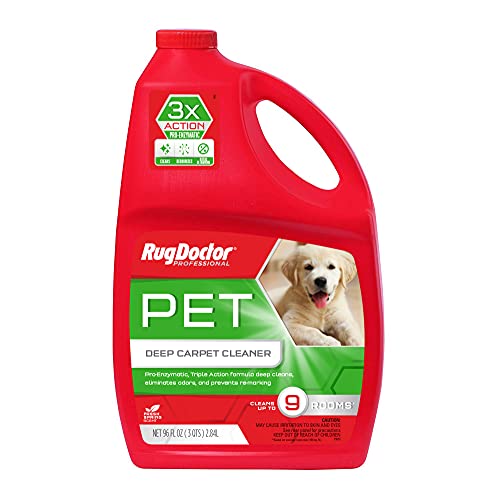
- Ruggable pad urine cleaner enzyme spray or any pet urine enzyme cleaner suitable for rugs and carpet pads
- Pet urine enzyme cleaner for rugs and carpet pads (backup option)
- Rug cleaning brush for dog urine stains or a soft-bristle brush
- Wet/dry vacuum for pet urine on rugs to extract moisture
- Carpet stain remover for dog urine on microfiber rug for tough spots


Before You Start
Before cleaning, remove furniture and place towels nearby to catch drips. Blot the area with a clean, dry towel to remove as much urine as possible without rubbing, which can push urine deeper. Check the rug’s care tag and avoid harsh detergents that could damage fibers. Test cleaners on a small, inconspicuous area first to ensure colorfastness. Plan for timing that allows multiple drying periods; drying may take several hours, especially if pads were deeply saturated.
Step-By-Step: How To Clean a Ruggable Pad After Dog Pee
- Blot the area with a clean towel to remove excess urine from the surface of the rug and pad. Do not rub; work from the outside toward the center to prevent spreading.
- Apply enzyme cleaner to the affected area as directed on the bottle. Saturate the dye line and pad wherever urine is present, ensuring the product reaches the pad and backing as needed.
- Let it dwell for the recommended contact time. Enzyme cleaners need time to break down organic compounds; avoid rushing this step.
- Gently scrub with a rug cleaning brush to lift embedded particles from fibers and the pad surface without fraying threads.
- Extract moisture with a wet/dry vacuum or press towels to remove as much liquid as possible after treatment. Repeat as needed until the surface feels damp but not soaked.
- Rinse or follow with a secondary cleaner if the product label suggests. Some enzyme cleaners require no rinse; others may benefit from a light rinse with water to remove residue.
- Dry thoroughly by airing out the rug and pad in a well-ventilated area. Use a fan or dehumidifier to speed up drying; avoid turning on heat sources directly over the area, which can shrink fibers.
- Check for lingering odor or stain. If needed, repeat steps 2–7 on the affected zone. When the pad is dry, reassemble and return the rug to its normal position, ensuring the backing sits flat.
- Prevent future accidents Consider applying a protective barrier or training measures to reduce repeat occurrences, and keep a stain remover handy for quick response.
Troubleshooting
| Symptom | Likely Cause | Fix | Prevention |
|---|---|---|---|
| Persistent odor after cleaning | Insufficient dwell time or incomplete extraction | Reapply enzyme cleaner, repeat dwell time, thoroughly extract | Address spills promptly; use odor-control products approved for pets |
| Stiff or rough texture after drying | Over-cleansing or residue buildup | Lightly dampen and rerun with clean water, then blot dry | Test cleaners; avoid excessive cycling of products |
| Color fading or dye bleed | Cleaning agents not compatible with fibers | Stop and test a small area; switch to milder product | Always test on hidden area first |
| Pad remains damp long after cleaning | Pad saturation or poor airflow | Increase ventilation, use a fan or dehumidifier; repeat extraction | Address spills quickly to minimize pad saturation |
Common Mistakes
- Not blotting first, which can spread urine deeper into fibers and the pad
- Using abrasive brushes that damage delicate rug fibers
- Relying on a single cleaning pass for severe stains
- Over-wetting the pad, which slows drying and can promote mold
- Choosing cleaners not suited for pet urine or microfiber backing
Tips For Best Results
- Address spills immediately to reduce saturation of the pad and backing
- Use enzyme-based cleaners specifically designed for pet urine on rugs and carpet pads
- Alternate between extraction and blotting to maximize moisture removal
- Ventilate the area well and use a dehumidifier to speed drying
- Keep a cleaning kit handy with enzyme cleaner, a soft brush, and a wet/dry vacuum for quick response
Call A Professional
Ways to know it’s time to call a pro include persistent odor after repeated cleanings, visible staining that resurfaces after drying, or if the pad has sustained significant water damage. If urine has soaked through to subflooring or beneath the pad, professional assessment may prevent deeper structural issues and ensure safe, thorough remediation.
FAQ
What is the best enzyme cleaner for dog urine on rugs?
The best options are Ruggable pad urine cleaner enzyme spray or other dedicated pet urine enzyme cleaner for rugs and carpet pads that specify activity on fibers and backing.
Can I use a regular carpet cleaner on a Ruggable pad?
It is best to use cleaners formulated for pet urine and rugs, and to follow the pad’s care guidelines to avoid damage.
How long does it take for a Ruggable pad to dry after cleaning?
Drying times vary by room ventilation and humidity but typically range from several hours to a full day.
Should I replace the pad if urine soaks through?
If urine penetrates the backing and pad significantly, replacement may be necessary to prevent persistent odors and mold.
Buying Guide
When selecting cleaning products and tools for a Ruggable pad after dog urine, consider key buying factors that impact effectiveness and safety:
- Size and compatibility: Choose cleaners and brushes that suit the rug size and the pad thickness to reach the backing without over-wetting.
- Noise level: Wet/dry vacuums and fans can be loud; look for models with reasonable noise or use during daytime cleaning.
- Energy efficiency: Efficient vacuums and dehumidifiers reduce electricity use while speeding drying.
- Controls and usability: Simple spray bottles, clear dwell-time instructions, and easy-to-clean brushes help consistent results.
- Placement and drying: Ensure the cleaning space allows for air circulation; avoid confined areas that trap moisture.
- Product compatibility: Verify that cleaners are safe for microfiber backing and dyefast fabrics; test on hidden areas first.
- Multi-use options: Enzyme cleaners that work on both rug fibers and pads save time and inventory.
With thoughtful preparation and the right tools, cleaning a Ruggable pad after dog urine can be efficient and effective. Would you like a quick checklist tailored to your rug size and pad type, or recommendations for a specific enzyme cleaner set?