Keeping a Serta dog bed clean extends its life and helps maintain a healthy living space for pets and families. Regular brushing, spot cleaning, and deeper refreshes can remove dirt, hair, and odors while preserving the bed’s comfort and support. This guide provides practical steps and safe product options to refresh most Serta dog beds without professional equipment.
Whether you’re dealing with everyday messes or stubborn stains, a systematic approach makes the process efficient and less stressful for your dog. The key is to treat spills quickly, choose pet-safe cleaners, and dry the bed thoroughly before reuse.
Quick Answer
DIY clean routine: vacuum or brush the bed, spot-clean stains with an enzyme stain remover, refresh fabric with a cleaner spray, treat hair with a remover roller, and finish with a gentle steam pass and thorough drying. Always air-dry completely before the dog uses the bed again.
What You’ll Need
- enzyme upholstery stain remover 32 oz for dog beds
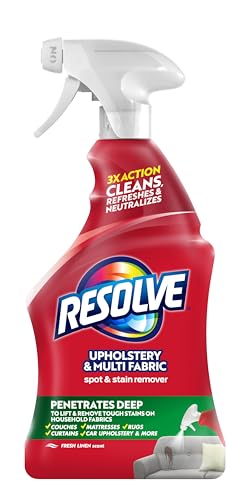
- fabric upholstery cleaner spray for pet bed
- handheld fabric steamer for pet bed cleaning
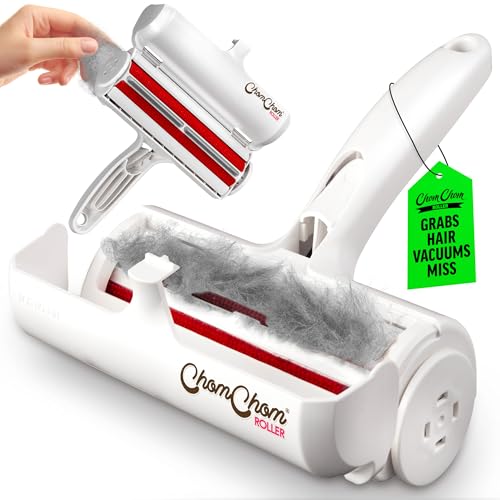
- pet hair remover roller for fabric dog bed
- soft bristle cleaning brush for dog bed fabric

Before You Start
Prepare a clean workspace and remove the bed cover or cushion if possible. Check the care label on the bed for manufacturer guidance. Test cleaners in a small, inconspicuous area first to ensure there is no color transfer or fabric damage. Time estimates vary by bed size and level of soil, typically 30–90 minutes for routine refreshes, plus drying time. Avoid harsh solvents near pets, and ensure ventilation during cleaning.
Step-By-Step: How To Clean A Serta Dog Bed
- Remove the cover or cushion and shake out loose dirt. Use a soft bristle cleaning brush to lift hair and debris from the fabric.
- Vacuum the bed frame and seams to remove hidden particles before applying cleaners.
- Apply enzyme upholstery stain remover to any visible stains or soiled areas. Let it sit per product directions to break down organic material.
- Spray a fabric upholstery cleaner on the surface to refresh the fabric and neutralize odors. Wipe with a clean, damp cloth as needed to remove residue.
- Use a handheld fabric steamer at a safe distance to lift fibers and further relax the fabric for a deeper clean. Do not soak the bed; a light, pass-focused steaming works best.
- Roll or wipe away loosened hair with a pet hair remover roller. Repeat across all fabric surfaces to minimize shedding.
- Gently brush the fabric with a soft bristle brush to restore nap and ensure even texture after cleaning and steaming.
- Rinse any visible cleaner residue with a damp cloth, taking care not to saturate the cushion.
- Allow the bed cover and cushion to air-dry completely in a well-ventilated area. If possible, rotate fabrics to ensure even drying.
- Reassemble the bed once everything is fully dry. Consider a light vacuum after reassembly to freshen the surface before the dog returns.
- For persistent odors, repeat the enzyme treatment on a scheduled basis or switch to a deodorizing rinse designed for pet fabrics.
- Schedule periodic deep cleans every few weeks, with spot cleans between to maintain a fresh bed environment.
Troubleshooting
| Symptom | Likely Cause | Fix | Prevention |
|---|---|---|---|
| Stains reappearing after cleaning | Stain penetrated deeper layers | Reapply enzyme cleaner and allow longer dwell time; consider repeating with fabric-safe stain remover | Address spills immediately; use a waterproof cover |
| Fabric stiff after cleaning | Excess cleaner residue | Wipe with a damp cloth and air-dry | Use minimal spray and ensure thorough rinsing |
| Unpleasant odor persists | Odor-causing bacteria or deep-set odor | Apply enzyme cleaner or pet-safe deodorizer; air out thoroughly | Regular spot cleaning and washing of removable covers |
| Bed takes too long to dry | Over-wetting or poor airflow | Increase ventilation; use a fan or dehumidifier; dry in a warm, dry area | Avoid soaking; squeeze out excess moisture before drying |
Common Mistakes
- Using harsh household cleaners that may irritate pets or damage fabrics.
- Soaking cushions; excessive moisture slows drying and risks mold.
- Skipping a test patch on colored fabrics before full cleaning.
- Neglecting to dry the bed completely, leading to musty odors.
Tips For Best Results
- Treat stains immediately with an enzyme cleaner to prevent set-in marks.
- Use a handheld steamer to rejuvenate fabric fibers and reduce mustiness without soaking.
- Regularly remove pet hair with a roller before deep clean sessions to speed up the process.
- Shaking out the cushion and airing the bed outdoors on dry days helps reduce odors between washes.
Call A Professional
Consider a professional cleaning if the bed contains persistent mold, large liquid spills, or persistent odors that do not improve after repeated at-home cleaning. Seek professional cleaning services when the bed is heavily soiled, the cover is delicate or the fabric is fraying, or if you notice color bleeding after multiple cleanings.
FAQ
Can I machine-wash the fabric dog bed cover?
Many covers are machine washable; check the care label for temperature, cycle, and detergent guidance. Use a gentle cycle and air-dry if possible.
Is it safe to use enzyme cleaners on pet beds?
Yes, enzyme cleaners are designed to break down organic stains and odors and are generally pet-safe when used as directed and thoroughly dried.
How often should I clean a Serta dog bed?
Spot-clean weekly and perform a deeper clean every 2–4 weeks, depending on pet use and odors.
Should I use a fabric steamer on the bed?
Steam can refresh fabrics and help with odor, but avoid soaking and test a small area first to prevent fabric damage.
What if the bed cover shrinks after washing?
Check the care label and wash in cold water if shrinking risks exist; air-dry flat to maintain shape.
How can I remove hair effectively?
A pet hair remover roller or a sticky lint roller works well; brush the surface before any washing cycles.
Do cleaning products leave residues?
Rinse or wipe away residues with a damp cloth after applying cleaners to minimize film on fabric.
Buying Guide
Choosing the right cleaning approach for a Serta dog bed depends on several factors, including size, fabric, and the level of soiling. Here are key buying considerations to help optimize cleaning results and long-term bed care.
- <bSize and weight: Larger beds may require two-step cleaning and more drying time. Ensure your workspace can accommodate the bed and any returned cover pieces.
- <bNoise level and ease of use: Handheld steamers and spray bottles should be lightweight and easy to maneuver around the bed and surrounding furniture.
- <bCleaning agents and safety: Look for pet-safe cleaners, enzyme-based formulas, and spray-on fabrics designed for upholstery. Always follow label directions and perform patch tests.
- <bEnergy and water usage: Choose cleaners that work efficiently with minimal water and energy usage, especially for larger beds.
- <bControls and convenience: For repeated cleanings, consider multi-use products that combine stain removal and deodorizing functions in a single application.
- <bPlacement and drying: Clean in a well-ventilated area; ensure the bed is not in direct sunlight for extended drying to avoid fabric fading. A drying rack or a flat, sunny spot speeds drying while preventing distortion.
- <bMaintenance cycle: Plan routine spot cleaning after meals or outdoor play, and schedule deeper cleans aligned with your pet’s shedding and odor cycles.
With these factors in mind, you can select the right products and establish an effective cleaning routine that keeps a Serta dog bed fresh, comfortable, and ready for daily use. Would you like a quick, product-specific cleaning schedule based on your bed size and fur type?