Stainless steel backsplashes add a sleek, modern look to kitchens but can show fingerprints, smudges, and greasy residue. This article provides a clear, step-by-step approach to keep stainless steel surfaces gleaming without scratches or dulling. The methods rely on common kitchen products and simple tools to achieve professional results at home.
Quick Answer
For a fast, effective clean: spray a degreasing kitchen cleaner spray on a cool surface, wipe with a microfiber cleaning cloth, then buff with a stainless steel cleaner spray for a polished finish. For stubborn spots, use a nonscratch nylon scrub brush and a light stroke along the grain before wiping again.
What You’ll Need
The following tools and products cover routine cleaning and tougher soils. Use them as needed to maintain a bright, streak-free backsplash.
- stainless steel cleaner spray for backsplashes
- microfiber cleaning cloth for stainless steel
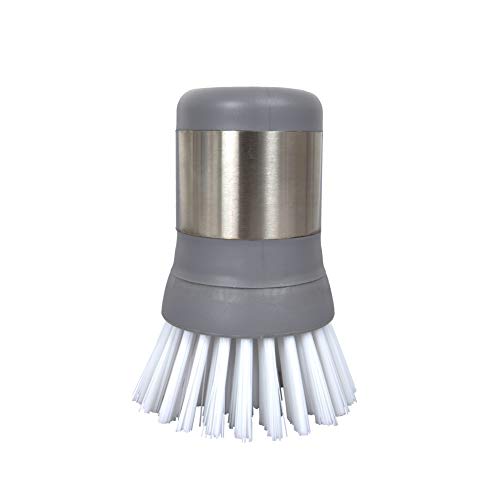
- nonscratch nylon scrub brush for stainless steel backsplash
- stainless steel polish spray for kitchen backsplash
- degreasing kitchen cleaner spray stainless steel backsplash


Before You Start
Prepare a clean, dry workspace and ensure the area is well ventilated. Protect nearby areas from sprays and splatter with low-tape or a cloth. Test cleaners on a small inconspicuous spot before full use to avoid discoloration or film. Time estimate: 10–20 minutes for a typical backsplash cleaning session. Important precautions: never use abrasive pads on brushed stainless steel, and avoid chlorine-based cleaners which can damage the surface over time.
Step-By-Step: How To Clean Stainless Steel Backsplash
- Dust and wipe loose debris from the backsplash with a dry microfiber cloth.
- Apply a light spray of degreasing kitchen cleaner spray stainless steel backsplash to a small area.
- Wipe in the direction of the grain with a microfiber cloth until the residue lifts.
- For stubborn spots, dampen a nonscratch nylon scrub brush and gently scrub in the grain direction.
- Rinse or wipe with a clean, damp microfiber cloth to remove cleaner residue.
- Spritz a small amount of stainless steel cleaner spray for backsplashes and buff with a dry microfiber cloth to remove streaks.
- Apply a thin layer of stainless steel polish spray for kitchen backsplash if you want extra shine and protection.
- Buff again with a clean microfiber cloth until the surface looks uniform and bright.
- Wipe down the edges and corners to ensure even appearance across the entire backsplash.
- Inspect under lighting for any remaining smudges; repeat targeted cleaning only where needed.
- Store cleaners and tools in a labeled container for next-use readiness and safety.
- Dispose of used cloths responsibly and wash reusable cloths after each session.
Troubleshooting
| Symptom | Likely Cause | Fix | Prevention |
|---|---|---|---|
| Streaky appearance after cleaning | Residue from cleaner or water hard water marks | Buff with microfiber; reapply cleaner in a smaller area and wipe dry | Use distilled water for final wipe; wipe in grain direction |
| Discoloration or dull patches | Harsh cleaner or abrasive contact | Rinse immediately and avoid abrasive tools | Test cleaners first; use only recommended products |
| Scratches visible after cleaning | Nonscratch brush used with excessive pressure | Switch to lighter pressure or skip brush for smooth areas | Follow grain direction consistently |
| Sticky film after polish | Over-application of polish spray | Wipe off excess with a clean cloth and re-buff | Apply in thin coats |
Common Mistakes To Avoid
- Using abrasive pads that scratch brushed finishes
- Spraying cleaners directly onto the surface in large amounts
- Using chlorine-based products that can corrode the finish
- Ignoring grain direction during cleaning, leading to uneven reflections
Sticking with the recommended cleaners and tools minimizes streaking and keeps the surface looking uniform over time.
Tips For Best Results
- Always wipe in the direction of the grain to preserve the brushed texture.
- Work in small sections to maintain control over cleaner and buffing.
- Choose a dedicated microfiber cloth for stainless steel to maximize lint-free results.
- Use distilled water for the final wipe to reduce water spots and mineral residues.
- Schedule routine cleanings to prevent heavy buildup of grease and fingerprints.
Call A Professional
Consider a professional if the backsplash shows deep staining, persistent clouding, or visible damage from harsh cleaners. Stop and seek help if you notice lasting discoloration, peeling protective film, or if you suspect corrosion. A pro can assess finishes and recommend appropriate refinishing or replacement options.
FAQ
What is the best cleaner for stainless steel backsplashes?
A degreasing kitchen cleaner spray designed for stainless steel backsplashes, followed by a stainless steel cleaner spray for a polished finish, works well for most surfaces.
Can I use window cleaner on stainless steel backsplashes?
Window cleaner can leave residues and is not ideal; it’s better to use products formulated for stainless steel and avoid ammonia-based or chlorinated cleaners.
How often should I clean a stainless steel backsplash?
Wipe down daily or after heavy cooking to prevent buildup; perform a thorough clean weekly or as needed based on usage.
Is it safe to use a nylon scrub brush for tough spots?
Yes, a nonscratch nylon scrub brush is safe for most brushed stainless steel finishes when used with light pressure along the grain.
Do I need to rinse after applying cleaner?
Yes, rinse or wipe with a damp cloth to remove cleaner residues, then buff dry to prevent streaks.
Should I seal or wax stainless steel backsplashes?
No sealant is typically required; a polish spray can provide a protective shine and make future cleaning easier.
Buying Guide
Choosing the right products for cleaning stainless steel backsplashes involves considering surface finish, cleaning strength, and maintenance goals. When evaluating options, look at the following factors to make an informed choice.
Size and layout
Consider the backsplash area to determine how many bottles or sprays are needed. A larger area benefits from multi-pack or larger bottles to minimize frequent repurchases.
Noise level and ease of use
Spray bottles and trigger sprayers should offer comfortable operation without leaks. A good ergonomic design reduces fatigue during routine cleaning.
Energy efficiency and environmental impact
Choose cleaner formulas with low environmental impact and responsibly sourced packaging. Concentrated products can reduce waste when diluted properly.
Controls and features
Look for degreasers that explicitly state compatibility with stainless steel and finishes similar to your backsplash. Warnings about chlorine, abrasives, or ammonia are essential.
Placement and convenience
Keep cleaners within easy reach near the cooking area but away from children. A small caddy or cabinet slot helps maintain an organized cleaning station.
Brand and compatibility
Sticking to reputable brands that offer stainless steel cleaner spray for backsplashes and stainless steel polish spray for kitchen backsplash ensures consistent results and safer formulations.