Keeping a stainless steel griddle spotless improves cooking performance and extends the appliance’s life. This guide provides practical steps, tools, and tips tailored for American kitchens to safely and effectively remove grease, residue, and stains from stainless steel griddle surfaces.
Quick Answer
Start with a degreasing spray, use a dedicated stainless steel scraper to lift burnt-on bits, then scour with a non-abrasive sponge or microfiber cloth. Wipe clean and season the surface for best performance.
What You’ll Need
- stainless steel griddle cleaning brush and scraper kit
- stainless steel griddle cleaner degreaser spray
- griddle scraper for stainless steel grill top
- non abrasive sponge pad for stainless steel griddle cleaning
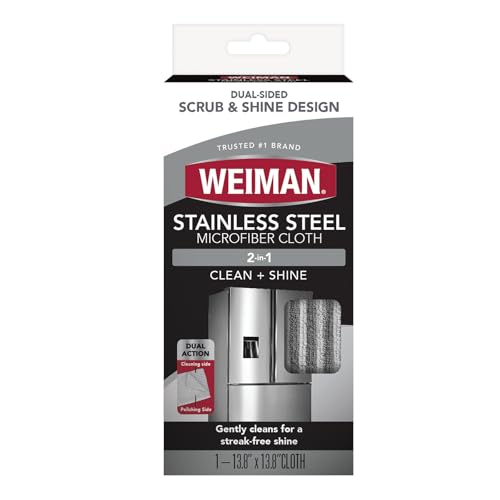
- microfiber cleaning cloth for stainless steel griddle


Before You Start
Ensure the griddle is cool before applying cleaners. Remove loose debris with a brush, then wipe with a dry cloth. Always follow the cleaner’s safety instructions and work in a well-ventilated area. Time estimates: 20–40 minutes for a thorough cleaning, plus 10–15 minutes for seasoning after drying. Critical cautions: never use abrasive pads on the polished surface; never mix cleaners that release chlorine gas or ammonia; avoid metal scrubbers that can scratch the surface.
Step-By-Step: How To Clean Stainless Steel Griddle
- Protect surrounding areas with a towel or foil to catch drips and splatters.
- Remove all food debris using the griddle scraper for stainless steel grill top and brush kit, pushing toward the grease tray.
- Apply a light spray of stainless steel griddle cleaner degreaser spray to the surface, focusing on greasy zones.
- Let the cleaner sit for 1–2 minutes to loosen burnt-on residue, then scrub with a non abrasive sponge pad for stainless steel griddle cleaning.
- Wipe away the loosened grime with a microfiber cleaning cloth for stainless steel griddle; repeat as needed for stubborn spots.
- If heavy buildup remains, reapply the degreaser and gently use the scraper to lift it without scratching the metal.
- Rinse the surface with a damp cloth or spray bottle to remove any residue from cleaner.
- Dry thoroughly with a clean microfiber cloth to prevent water spots and streaks.
- Season the griddle if recommended by the manufacturer: apply a light oil, spread evenly, heat briefly, then wipe clean.
- Inspect the grease tray and surrounding edges; clean or replace any disposable liners as needed.
- Store tools in a dry place, ready for the next cooking session.
Troubleshooting
| Symptom | Likely Cause | Fix | Prevention |
|---|---|---|---|
| Streaks or dull finish | Residual cleaner or water spots | Wipe with a clean microfiber cloth; buff with dry cloth | Dry thoroughly after cleaning |
| Sticky or gummy surface | Leftover oil or food sugars | Reapply degreaser and scrub with non-abrasive pad | Clean promptly after use to prevent buildup |
| Scratches or dull patches | Abraisive scrubber or metal scraper on sensitive areas | Switch to non-abrasive pads; use only the edge of the scraper | Follow manufacturer guidelines for tools |
| Rust around edges | Moisture exposure or improper drying | Dry completely; apply a light coat of appropriate stainless steel oil | Dry after each clean and store in a dry environment |
Common Mistakes
- Using harsh metal pads on shiny surfaces which causes scratches and dulling.
- Applying cleaners directly onto hot surfaces; wait until cool to prevent splatter and fumes.
- Neglecting to dry the griddle completely, which can lead to rust or spots.
- Mixing cleaners that release incompatible gases or leave harmful residues.
Tips For Best Results
- Clean in patches: address greasy zones first for faster results.
- Use a dedicated stainless steel cleaning kit to protect the surface from scratches.
- Regular maintenance reduces buildup and extends the surface’s life.
- When possible, heat the griddle briefly after cleaning to accelerate drying and promote even seasoning.
Call A Professional
Contact a professional if you notice deep pitting, corrosion, or persistent rust that doesn’t respond to standard cleaning. Seek help if you suspect heat exchanger or burner issues that could affect safety or performance. If any cleaning products cause skin or eye irritation, discontinue use and consult a professional for guidance.
FAQ
How often should I clean a stainless steel griddle?
Clean after each use to prevent buildup; perform a deep clean weekly or as needed based on usage.
Can I use vinegar on a stainless steel griddle?
Vinegar can be used in small amounts for mineral deposits, but test a small area first and avoid prolonged exposure on polished surfaces.
What’s the best way to remove burnt-on residue?
Apply a degreaser spray, let sit, then scrub with a non-abrasive pad and use a scraper as needed.
Is seasoning necessary after cleaning?
Some griddles require seasoning after a thorough clean to maintain a nonstick surface and protect the metal.
What should I do if the surface scratches?
Use non-abrasive pads and avoid metal scrapers on sensitive areas; minor scratches are common, but deep scratches may require professional assessment.
Are microfiber cloths safe for stainless steel?
Yes, microfiber cloths are ideal for removing residues without scratching the surface.
Can I use a dishwasher for griddle parts?
Only if the manufacturer explicitly allows it; many griddle components should be hand-wwashed to avoid damage.
Buying Guide
Choosing the right cleaning setup for a stainless steel griddle depends on several factors. Size matters: larger griddles benefit from longer-handled scrapers and sturdy cleaning brushes. Noise level isn’t a major concern for most home kitchens, but consider tools with comfortable grips for extended use. Energy efficiency is tied to how you heat and maintain the surface; regular cleaning reduces energy use by sustaining efficient heat transfer. Controls refer to how easy the cleaning system is to operate—look for spray degreasers with simple triggers and scrapers with integrated razors for edge cleaning. Placement considerations include keeping cleaning products away from heat sources and ensuring adequate ventilation. When comparing kits, ensure the set includes a stainless steel griddle cleaning brush and scraper kit, a degreaser spray, a griddle scraper for stainless steel grill top, a non abrasive sponge pad, and a microfiber cleaning cloth. For best results, look for rust-resistant handles, non-scratch pads, and cleaners formulated for stainless steel surfaces. If you cook frequently on a griddle, investing in high-quality tools reduces wear and helps maintain a pristine surface over time. Would you benefit from a complete kit that covers degreasing, scraping, and safe wiping in one package?