Keeping a garment steamer clean helps maintain performance and extend its lifespan. Vinegar is a common, inexpensive descaler that can break up mineral deposits that accumulate in water reservoirs and steam pathways. This guide provides a practical, safe method for American users to freshen and restore their steamers using vinegar-based solutions.
By following these steps, users can reduce buildup, improve steam quality, and prevent clogs that affect efficiency. Always handle cleaning with care and consult manufacturer guidelines for your exact model when needed.
Quick Answer
Use a vinegar descaler solution to flush mineral buildup from the reservoir and steam path. Rinse thoroughly with clean water, repeat if necessary, and run a final dry cycle to remove any residual vinegar scent. Avoid using undiluted vinegar for long-contact with plastic parts unless your manual allows it.
What You’ll Need
- garment steamer descaler vinegar solution or a garment steamer water descaler vinegar
- fabric steamer cleaning brush set for scrubbing deposits
- Clean water for rinsing
- Soft cloth or towel for drying
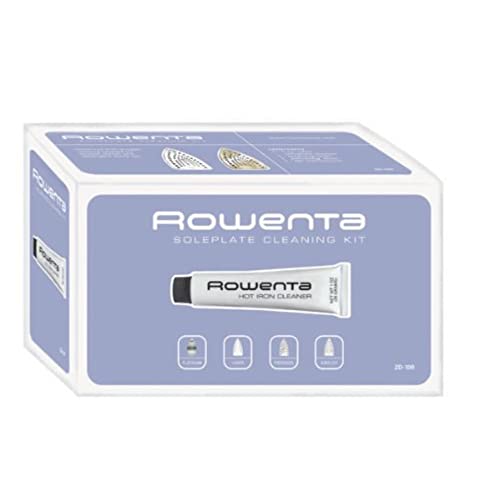
- Optional: steam iron cleaner kit vinegar self-clean for any stubborn residue

Before You Start
Preparation is key. Empty the water tank and unplug the steamer. Use gloves if you are sensitive to vinegar odor, and work in a well-ventilated area. Inspect hoses and seams for signs of wear before cleaning, and avoid harsh abrasives that could damage plastic components. Time estimate: 15–30 minutes per cleaning cycle.
Important cautions include never cleaning with hot water while the unit is plugged in, and never immersing electrical components in liquid. If your steamer’s manual advises against vinegar, choose a manufacturer-approved descaler instead.
Step-By-Step: How To Clean A Garment Steamer With Vinegar
- Detach any removable parts and empty the reservoir completely.
- Fill the reservoir with a vinegar descaler for clothes steamer mixture, typically a 1:1 ratio of white vinegar to water unless your manual specifies otherwise.
- Plug in the unit and allow it to heat to normal steam temperature while the descaler circulates through the system.
- Run the steamer as if steaming a garment, directing the output into a sink to flush mineral deposits from the steam path.
- Shut off and unplug; let the unit cool briefly, then rinse by filling the reservoir with clean water and running the steamer again to remove any vinegar residue.
- Repeat the flushing cycle once more with clean water if you notice lingering deposits or odor.
- Wipe the exterior and removable parts with a damp cloth, then dry thoroughly before reassembly.
- Optionally, perform a dry cycle or light steam to ensure all moisture is expelled from the system.
- Refill with plain water for normal use and monitor steam quality over the next few sessions to confirm improvement.
- Store the steamer in a cool, dry place once fully dry.
- For stubborn buildup, use a fabric steamer cleaning brush set to gently scrub accessible interior surfaces, always with the unit unplugged.
- Keep routine maintenance on a calendar—monthly if used frequently or in areas with hard water.
Troubleshooting
| Symptom | Likely Cause | Fix | Prevention |
|---|---|---|---|
| Weak or no steam after cleaning | Residual mineral deposits or blocked pathways | Repeat vinegar flush, ensure reservoir is thoroughly rinsed | Use distilled water to reduce future buildup |
| Strong vinegar smell after use | Insufficient rinsing | Run extra rinse cycles with clean water | Limit vinegar concentration per the manual |
| Leaking water from vents | Loose seals or damaged components | Inspect and tighten or replace parts as needed | Handle with care during cleaning; replace worn seals |
| Irregular heating | Overexposure to acidic solution | Disassemble according to manual and inspect heaters | Follow recommended descaling frequency |
Common Mistakes
- Using undiluted vinegar for extended periods, which can stress plastics
- Skipping thorough rinsing, leaving residues that affect steam quality
- Cleaning while the device is connected to power or still hot
- Neglecting to dry components completely after cleaning
To avoid these issues, adhere to manufacturer guidance, rinse thoroughly, and allow adequate drying time between uses.
Tips For Best Results
- Use distilled water in between descaling to minimize mineral buildup
- Perform descaling in a well-ventilated area to manage vinegar odor
- Regularly inspect hoses and fittings for signs of wear
- Keep a cleaning log to track frequency and outcomes
- Pair vinegar descaling with a soft brush to remove stubborn deposits
Call A Professional
Seek professional help if the steamer shows persistent leaks, if there is visible damage to the power cord or heating element, or if cleaning does not restore steam performance after multiple cycles. Do not attempt internal repairs beyond the user-serviceable parts described in the manual.
FAQ
Can I use vinegar to descale any garment steamer?
Vinegar is effective for many models, but some manufacturers prohibit acidic solutions. Always check the user manual before descaling.
How often should I descale a garment steamer with vinegar?
That depends on use and water hardness. In hard-water areas, monthly descaling is common; otherwise, every 2–3 months may suffice.
Is it safe to mix vinegar with water in the reservoir?
Yes, if the recommended ratio is followed. Avoid undiluted vinegar and follow manufacturer guidelines.
What if the steamer still has deposits after descaling?
Try a second descaling cycle, followed by a thorough rinse and a brush for stubborn areas. If unresolved, contact support.
Can I use essential oils with vinegar during cleaning?
Do not add essential oils; they can leave residues and potentially damage seals or coatings.
Should I run a dry cycle after cleaning?
Yes, a dry or low-water pass helps expel residual moisture and odors.
Is distilled water better than tap water for steaming?
Yes, distilled water reduces mineral buildup and extends the time between descalings.
Buying Guide
When choosing a garment steamer and approach to cleaning, consider size, noise, energy use, controls, and placement. A compact model with simple controls is ideal for apartments, while a larger unit may suit home offices. For descaling, look for compatibility with vinegar-based descalers or the option to use plain water with a rinsing cycle.
Factors to compare include capacity of the water reservoir, heat-up time, and ease of cleaning. A model that provides a clear water level indicator helps manage mineral buildup. Energy efficiency features and automatic shutoff add convenience. Consider placement options—vertical stands fit behind doors or in closets, while tabletop designs need counter space. If you frequently travel with a steamer, portable models with quick heat-up are advantageous.
Key buying considerations:
- Size and capacity: Choose based on household needs and storage space.
- Noise level: Look for models marketed as quiet operation if proximity to living areas matters.
- Energy efficiency: Features like automatic shutoff can save energy.
- Controls: Simple knobs or digital displays improve ease of use.
- Placement: Consider a vertical stand vs. tabletop design to fit your space.
For buyers who frequently contend with mineral-rich water, prioritizing models that are easy to clean and service will pay off in long-term performance. If unsure, consult product reviews and manufacturer cleaning instructions to align with your cleaning routine and water quality.