Keeping a tile backsplash behind the stove clean can feel daunting due to splashes, grease, and heat exposure. This guide provides practical, step-by-step instructions using common household tools and targeted cleaners to restore grout and tile without damaging walls or finishes. The focus remains on safe, effective methods suitable for American kitchens.
Note: Regular maintenance helps prevent buildup and makes deep cleaning faster. The following steps emphasize common back-splash materials and typical kitchen conditions, applying steady, gentle motions over harsh scrubbing whenever possible.
Quick Answer
Quick method: Start with warm water and a mild cleaner, then use a dedicated scrubber to lift grease. For tough grout, switch to a scrubbing pad or electric scrubber brush. Finish with a microfiber cloth to wipe and dry the surface.
What You’ll Need
- Angled grout brush nylon bristles for tile backsplash for grout lines and tight corners
- Kitchen steam cleaner tile grout to loosen grime and sanitize
- Microfiber cleaning cloths for backsplash tiles for final wipe-downs
- Scrubbing pad set for ceramic tile backsplashes for textured surfaces
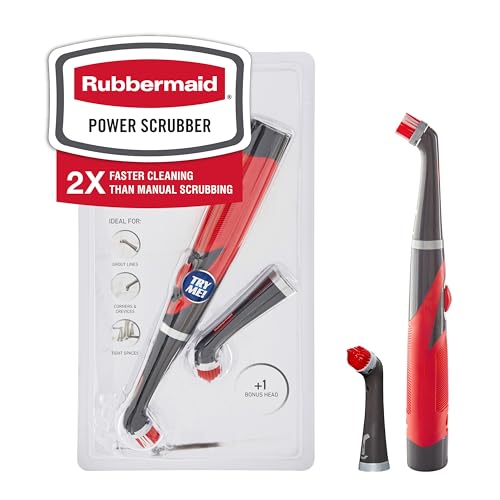
- Electric scrubber brush for kitchen backsplash tiles to speed heavy cleaning
- Degreasing cleaner or dish soap mixed with warm water
- Plastic scraper or nylon spatula for stubborn residue


Before You Start
Prepare the area by removing nearby items and placing a drop cloth or towel to catch drips. Ventilate the kitchen by opening a window or turning on the exhaust fan. Test cleaners on a small, inconspicuous area to ensure no discoloration or damage occurs. Time estimate: 20–40 minutes for a typical 30-inch backsplash. Avoid harsh abrasives or metal tools that can scratch tile or dull grout.
Step-By-Step: How To Clean A Tile Backsplash Behind The Stove
- Remove loose debris with a dry microfiber cloth to prevent grinding dust into the grout.
- Prepare a cleaning solution: a few drops of dish soap in warm water or a mild, non-acidic cleaner.
- Apply the solution to the surface using a microfiber cloth, focusing on greasy areas behind the stove.
- Use the angled grout brush nylon bristles for tile backsplash to scrub grout lines gently, moving in small circular motions.
- For stubborn grease on tile surfaces, work in sections with a scrubbing pad set for ceramic tile backsplashes, applying steady pressure without scratching.
- If grease persists, operate the electric scrubber brush for kitchen backsplash tiles on a low setting, maintaining a light touch to avoid damage.
- Rinse the area with clean water or a damp microfiber cloth, then wipe dry with a fresh cloth to prevent water spots.
- For deep-seated grime, rinse, then steam clean the grout area briefly using the kitchen steam cleaner tile grout according to device instructions, avoiding steam on unsealed surfaces.
- Inspect grout lines; repeat brushing and scrubbing as needed until grout looks uniform and clean.
- Finish with a final wipe using a soft microfiber cloth, ensuring no streaks remain around outlets or switches.
Troubleshooting
| Symptom | Likely Cause | Fix | Prevention |
|---|---|---|---|
| Grease remains after cleaning | Build-up from cooking oils | Reapply cleaner and scrub with angled grout brush; consider steam for deeper release | Wipe splashes promptly after cooking |
| Streaks on tile | Residue from soap or hard water | Rinse thoroughly and buff with microfiber cloth | Rinse with clean water after each cleaning |
| Discolored grout | Mold or mineral deposits | Use a grout cleaner or mild bleach solution following safety guidelines | Keep area dry and well-ventilated |
| Tile surface scratches | Rubbing with abrasive tools | Switch to softer pads and reduce pressure | Avoid metal scrapers and harsh abrasives |
Common Mistakes
- Using strong acids or bleach on unsealed grout or colored grout lines.
- Rubbing aggressively with abrasive pads that scratch tile glaze.
- Over-wetting, which can push water behind the backsplash and loosen cabinetry caulk.
- Skipping rinsing steps, leaving cleaner residue that attracts more grime.
Tips For Best Results
Begin with the mildest cleaning method and escalate only if needed. For best results, work in a consistent pattern—top to bottom, left to right—to avoid missed spots. Frequently used tools like microfiber cleaning cloths for backsplash tiles are excellent for drying and final polishing, reducing water marks. Consider using a kitchen steam cleaner tile grout on a cooldown cycle to sanitize between cooks, especially in households with multiple cooks.
Call A Professional
Seek professional help if grout is loose, heavily cracked, or mold persists after multiple cleaning attempts. Stop and contact a pro when:
- There is visible water damage behind the backsplash or behind cabinets.
- Tiles are loose or cracked, risking further damage during cleaning.
- Strong mildew odors persist despite thorough cleaning and ventilation.
FAQ
Can I use bleach on grout behind the stove?
Bleach can brighten grout but may discolor certain tiles or over-sanitize. Use a diluted solution and rinse thoroughly.
Is steam cleaning safe for ceramic tile backsplashes?
Yes, when directions are followed and steam is not applied to unsealed areas or electrical fixtures.
What type of scrubber is best for tile grout?
A nylon-bristled angled grout brush provides targeted cleaning without scratching the tile glaze.
How often should I clean a tile backsplash behind the stove?
Light cleaning weekly and a deeper grout cleaning every 1–3 months, depending on cooking frequency and grease exposure.
Buying Guide
Choosing cleaning tools for a tile backsplash behind the stove involves several factors. Consider size and layout of the backsplash to select brushes and pads that reach corners and tight seams. Noise level is practical for steady, household use; corded or cordless scrubbers offer different convenience levels. Energy efficiency matters for steam cleaners and electric scrubbers that see frequent use. Controls should be simple and intuitive, with adjustable pressure or speed settings for sensitive surfaces. Placement considerations include ensuring tools are stored safely away from heat sources and that steam cleaners have compatible accessories for grout and tile surfaces. When comparing products, assess compatibility with tile types (ceramic, porcelain, glazed surfaces) and grout porosity to prevent damage. Finally, look for bundles or sets that include an angled grout brush, microfiber cloths, and a scrubber—these combinations can streamline regular maintenance and ensure you have the right brushes for every area behind the stove.