Toilet rings caused by mineral buildup, hard water stains, or mineral deposits can be stubborn. A systematic cleaning approach using common bathroom tools helps restore the whiteness and shine of porcelain toilets without damaging surfaces. This guide walks through safe techniques, recommended tools, and practical tips for American households.
By following proven methods, users can remove ring stains effectively while minimizing scrapes or scratches. The steps below cover different product options and offer troubleshooting to handle common issues during cleaning. Always assess your toilet’s glaze and warranty guidelines before applying vigorous cleaners.
Quick Answer
Fast method: Apply a toilet stain remover or pumice stone low-scrub method for hard water rings, then scrub with a toilet bowl brush nylon bristles long handle. Finish with a porcelain-safe cleaner to remove any residue.
What You’ll Need
- Toilet bowl brush nylon bristles long handle
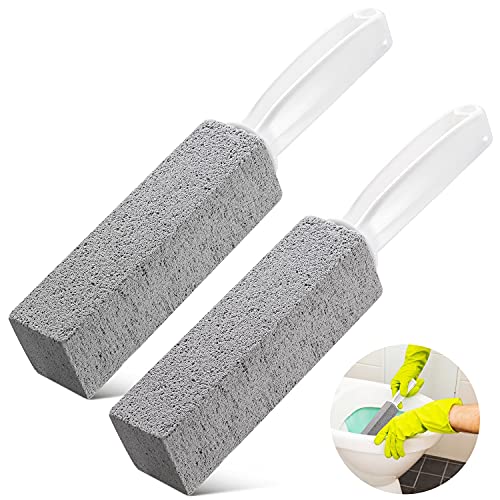
- Pumice stone for toilet stains hard water ring remover
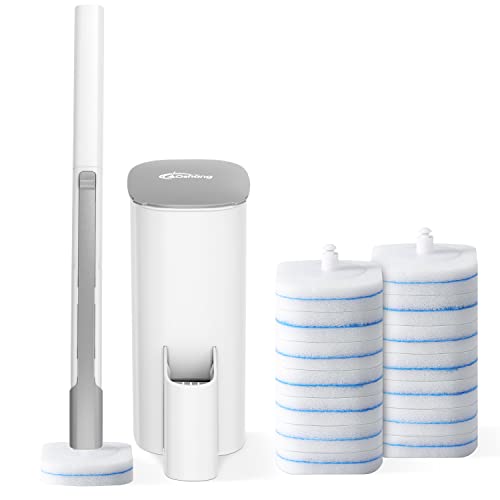
- Toilet cleaning wand with scrub brush
- Porcelain toilet ring remover cleaner kit
- Toilet bowl cleaning kit scrub sponge

Before You Start
Before beginning, ensure the bathroom is well-ventilated and wear gloves to protect skin. Remove any objects from the rim area to prevent splashes. Flush the toilet to wet the bowl, then apply cleaners to stained areas. Do not use metal scrapers or abrasive pads on porcelain, as they can scratch the surface. Never mix bleach with ammonia or acidic cleaners, as this can release harmful fumes.
Time estimates vary by stain severity: light staining takes about 10–15 minutes; heavy mineral buildup may require 30–45 minutes with soaking breaks. Clear visibility and steady scrubbing prevent missed spots. If you’re cleaning a rental or a historically glazed toilet, test cleaners on a small inconspicuous spot first.
Step-By-Step: How To Clean Toilet Ring
- Put on gloves and ventilate the bathroom. Flush to moisten the bowl, then apply a porcelain toilet ring remover cleaner kit directly to the ring area under the rim.
- Let the cleaner sit for 5–10 minutes to penetrate mineral deposits, following the product’s recommended contact time.
- Use a toilet bowl brush nylon bristles long handle to scrub the ring with firm, circular motions, focusing on the mid-bowl and under the rim.
- For stubborn hard-water rings, gently rub with a pumice stone for toilet stains hard water ring remover on wet surfaces only; keep the stone in constant motion to avoid gouging.
- Rinse by flushing, then reapply cleaner if needed and scrub again to remove any remaining residue.
- If you prefer a wand method, apply a toilet cleaning wand with scrub brush to the ring area and scrub through the stained zones.
- Finish with a light spray of a porcelain toilet ring remover cleaner kit or a dedicated toilet cleaner and wipe with a clean sponge or cloth from the toilet bowl cleaning kit scrub sponge.
- Flush once more to rinse away cleaner and debris. Inspect for any remaining streaks and repeat steps if necessary.
- Dry the inner bowl rim with a clean cloth to remove water lines and prevent new rings from forming between cleanings.
- Place tools back in their designated storage area. Dispose of used wipes or sponges according to local guidelines.
- Schedule regular maintenance to prevent future buildup, especially in areas with hard water or high mineral content.
Troubleshooting
| Symptom | Likely Cause | Fix | Prevention |
|---|---|---|---|
| Persistent ring after cleaning | Stubborn mineral buildup | Reapply cleaner and use pumice stone with gentle pressure | Clean weekly, install a water-softening system if possible |
| Scratch marks on porcelain | Rough scrubbing or abrasive tools | Switch to softer pads or nylon brushes; avoid metal | Test on inconspicuous area first |
| Fumes or irritation | Bleach or ammonia mix | Rinse thoroughly and ventilate immediately | Never mix cleaners; follow label directions |
| Streaky surfaces after rinse | Residue from cleaner | Wipe with a damp cloth and re-rinse | Use smaller amounts of cleaner and thorough rinsing |
Common Mistakes
- Over-relying on a pumice stone without keeping it wet, which can scratch porcelain.
- Using metal brushes or harsh abrasives on glazed surfaces.
- Allowing cleaners to sit too long without checking product guidelines.
- Neglecting to ventilate the bathroom during chemical cleaning.
Tips For Best Results
- Work from the rim downward to avoid pushing grime into the bowl center.
- Pair scooped cleaning with a quick daily wipe to prevent buildup between deep cleans.
- For hard water areas, consider installing a water softener to reduce future rings.
- Store cleaning tools off the floor to prevent bacterial growth and cross-contamination.
Call A Professional
Consult a pro if ring stains persist after multiple cleanings, if the toilet shows cracks, or if plumbing issues accompany discoloration. Stop cleaning if there are signs of glaze damage, unusual odors from the plumbing, or persistent leaks that indicate a more complex problem.
FAQ
Can pumice stone damage porcelain?
Used correctly on wet surfaces, a pumice stone can remove mineral buildup without damaging glaze. Avoid heavy pressure and never use dry or worn-out stones.
Is it safe to use bleach to remove toilet rings?
Bleach can help whiten but should be used with caution and never mixed with ammonia or acidic cleaners.
How often should I clean to prevent rings?
Weekly quick cleanings and a deeper weekly or biweekly scrub can prevent stubborn rings, especially in hard-water regions.
What’s the best method for hard water rings?
A combination of a dedicated cleaner, a pumice stone when needed, and a nylon-bristle brush typically yields the best results.
Are there eco-friendly options?
Yes. Look for porcelain-safe cleaners with natural ingredients and use water-efficient scrubbing techniques to reduce chemical usage.
Buying Guide
Choosing the right cleaning toolkit for toilet rings involves balance among effectiveness, safety, and ease of use. Consider these factors to optimize results and convenience.
- Size and reach: A long-handled brush helps reach under the rim without bending. Choose a handle length that fits comfortable movement for your space.
- Stain removal power: For mineral rings, a pumice stone or a dedicated ring remover kit can be most effective. Check that the stone is specifically designed for porcelain.
- Material safety: Nylon-bristle brushes are gentle on porcelain. Avoid metal bristles that can scratch glaze.
- Ease of use: Wand-style cleaners offer convenience for tight spaces, while traditional brushes provide continued versatility for other surfaces.
- Maintenance needs: Cleaning kits with replaceable heads and sponges reduce waste and extend tool life.
- Water hardness considerations: In hard-water areas, combining cleaners with a water-softening solution minimizes buildup and simplifies maintenance.
- Cost and availability: Select widely available products that fit your budget and local retailer access to ensure replacements are easy.
- Placement and storage: Store tools in a dry, ventilated cabinet to prevent mold and keep cleaners out of reach of children and pets.
Want to compare options? Consider the core tools from the list: toilet bowl brush nylon bristles long handle, pumice stone for toilet stains hard water ring remover, toilet cleaning wand with scrub brush, porcelain toilet ring remover cleaner kit, and toilet bowl cleaning kit scrub sponge. Each offers distinct advantages depending on stain severity, bathroom layout, and user preference. What combination best fits your cleaning routine and home environment?