Untreated wood requires careful cleaning to preserve its appearance and prevent damage. This guide outlines practical steps using common cleaning products designed for bare wood, helping homeowners restore color and clarity without harming the surface.
The approach emphasizes gentle methods that avoid harsh chemicals while delivering visible results. By following a structured routine, homeowners can refresh decks, fences, and other exterior wood features made from untreated wood.
Quick Answer
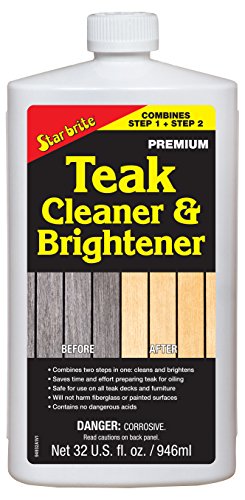
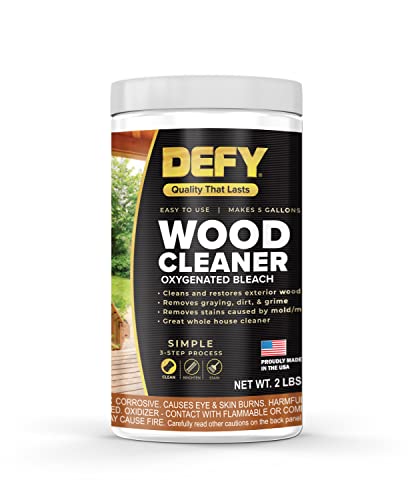
For most untreated wood surfaces, start with a light sweep and rinse, then use a wood deck cleaner concentrate for bare wood with a stiff nylon deck brush. If staining or discoloration is present, apply an oxalic acid wood cleaner for staining bare wood, followed by a wood brightener to restore tone. Finishing with a scrub brush set for wood cleaning and prep ensures even results.
What You’ll Need
- Stiff nylon deck brush for cleaning bare wood
- Wood deck cleaner concentrate for untreated wood
- Scrub brush set for wood cleaning and prep
- Wood brightener for untreated wood exterior
- Oxalic acid wood cleaner for staining bare wood

Before You Start
Assess the wood condition: look for loose fibers, peeling finishes, or heavy staining. Perform a small test in an inconspicuous area to confirm color and lift. Protect nearby plants and coverings, and wear safety gloves and eye protection. Always follow the product label for dilution ratios and contact times. Time plan: 2–6 hours including drying time, depending on sun exposure and surface porosity.
Critical cautions: untreated wood can swell with moisture, so work on a dry day. Do not use bleach on certain woods without testing, and never mix cleaners unless instructed by the product label.
Step-By-Step: How To Clean Untreated Wood
- Clear the area and remove loose debris with a broom or leaf blower; sweep in the direction of the grain to minimize scratches.
- Rinse the surface with a garden hose to remove surface dust and dirt before applying cleaners.
- Mix a wood deck cleaner concentrate for untreated wood according to the label and apply evenly across the surface with a stiff nylon deck brush for cleaning bare wood.
- Scrub with firm, even strokes, focusing on discolored patches and heavily soiled areas. Let the cleaner dwell as directed to loosen grime.
- Rinse thoroughly to remove all cleaner residues. If staining is visible, proceed with an oxalic acid wood cleaner for staining bare wood on affected spots, following the manufacturer’s precautions.
- Apply a wood brightener for untreated wood exterior after cleaning to restore natural color and balance pH. Rinse again and allow the surface to dry completely.
- Inspect for remaining stains or raised grain. If needed, use a scrub brush set for wood cleaning and prep to rework stubborn areas, then rinse well.
- Once dry, consider applying a protective sealer suited for untreated wood to minimize future staining and moisture uptake.
- Repeat the process in sections if working on a large area, maintaining the same cleaning pattern for a uniform look.
- Document any areas needing additional attention and avoid power-washing at high pressure, which can damage bare wood fibers.
- Dispose of wastewater according to local guidelines, ensuring runoff does not enter gardens or storm drains.
- Schedule periodic maintenance, typically every 1–3 years, depending on climate, sun exposure, and weathering.
Troubleshooting
| Symptom | Likely Cause | Fix | Prevention |
|---|---|---|---|
| Streaks after cleaning | Uneven application or insufficient rinsing | Rinse thoroughly; reapply cleaners to problem areas | Rinse and dry between passes |
| Bleached or pale spots | Overexposure to light or acidic cleaners | Use a wood brightener as directed and neutralize if required | Test in a small area first |
| Raised grain after drying | Surface moisture expanding fibers | Lightly sand with 120–150 grit after fully dry | Avoid cleaning on overly moist wood |
| Stains persist on oak or cedar | Deep-seated tannins or resin | Apply oxalic acid cleaner per label and repeat as needed | Pre-treat with stain-blocking conditioner if recommended |
Common Mistakes
- Using high-pressure power washers on untreated wood, which can gouge fibers
- Skipping the test area or failing to follow dwell times on cleaners
- Over-wetting the wood, leading to prolonged drying and potential warping
- Using the wrong cleaner for the wood type or stain intensity
Tips For Best Results
- Work on a dry, overcast day to control rapid drying and avoid streaks
- Keep cleaning strokes parallel to the grain for a uniform finish
- Rinse in multiple passes to ensure all cleaner residues are removed
- Test all products on a hidden area before full application
- Follow product labels for safety and disposal guidance
Call A Professional
Consider a professional if the wood shows extensive rot, deep staining, or structural damage. Stop and consult a pro if you notice peeling, cracking, or soft spots in the boards, or if a dye or finish is deeply embedded that requires specialized solvents or restoration techniques.
FAQ
Can I use bleach on untreated wood?
Bleach can remove stains but may also damage the wood fibers; test first and dilute appropriately.
How often should I clean untreated wood surfaces?
Clean as needed based on exposure and staining, typically every 1–3 years for exterior wood.
Is a wood brightener necessary after cleaning?
Not always, but it helps restore color and balance pH after cleaning, improving uniformity.
Do I need to seal the wood after cleaning?
Sealing or applying a protective finish helps reduce moisture uptake and future staining.
Buying Guide
Choosing the right products for cleaning untreated wood involves understanding surface needs and local climate. Key factors include the cleaning strength, dwell time, and compatibility with bare wood. Size and coverage matter for larger decks or fences, while noise and ease of use apply to scrubbing tools. Energy and environmental considerations come into play with concentrate formulas and eco-friendly options. Placement and exposure (shade vs sun) influence drying times and the likelihood of fading or discoloration. When comparing options, consider:
- Effectiveness on tannin-rich woods and stains
- Compatibility with bare, untreated surfaces
- Ease of use and tool compatibility (brush stiffness, handle length)
- Safety data, including skin and eye protection requirements
- Drying time, residue, and post-cleaning brightening needs
Choosing a bundled approach—cleaner, brightener, and a suitable stain blocker—helps achieve a balanced result. Always follow label instructions and test products in an inconspicuous area before wide application. For most homeowners, a clean, regular maintenance routine is sufficient to restore and preserve untreated wood’s natural beauty without expensive restoration later.