Dealing with pet urine on carpet requires a careful, stepwise approach to remove both the stain and the odor. This guide outlines practical methods using common consumer products and tools, with safety tips to protect your family and pets while restoring carpet freshness.
Quick Answer
Act quickly, blot excess moisture, treat with an enzymatic cleaner, and extract deeply to reach the pad. For set stains or strong odors, repeat steps and consider a carpet extractor or steam cleaner designed for pet urine.
What You’ll Need
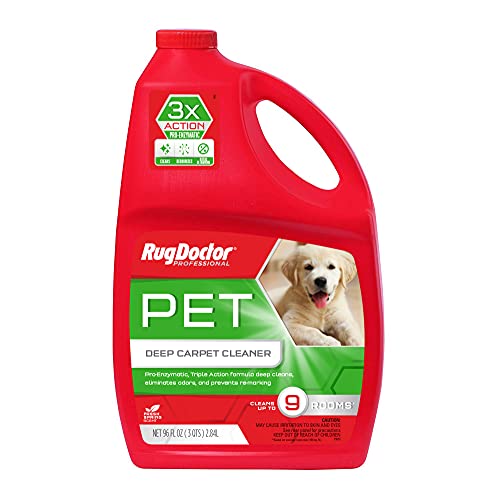
- Enzyme carpet cleaner for pet urine
- Carpet stain remover enzymatic pet urine
- Carpet extractor machine pet urine
- Rug shampooer with pet urine deodorizer
- Steam carpet cleaner for pet urine


Before You Start
Clear the area and remove any solid waste with disposable gloves. Blot, don’t rub, to prevent spreading. Test cleaners on a hidden carpet corner to ensure colorfastness. Allow for drying times that can range from several hours to a full day, depending on humidity. Keep pets and children away until the carpet is completely dry.
Step-By-Step: How To Clean Urine From Carpet
- Put on gloves and blot visible urine with paper towels or a clean cloth to remove as much liquid as possible.
- Apply a recommended enzyme carpet cleaner for pet urine to the affected area, saturating the fibers and padding beneath.
- Let the cleaner sit for the product’s specified dwell time to break down proteins and neutralize odors.
- Blot again to remove excess moisture, then use a carpet extractor machine pet urine to rinse and extract deeply.
- If odors persist, repeat the enzyme treatment and extractor pass, or switch to a rug shampooer with pet urine deodorizer for a deeper clean.
- Allow the area to air dry completely, turning on ventilation and, if possible, using a fan or dehumidifier to speed drying.
- Inspect the area once dry; for lingering stains, treat with an enzymatic stain remover and repeat extraction if needed.
- Finish with a light vacuum to lift carpet fibers and restore texture.
Troubleshooting
| Symptom | Likely Cause | Fix | Prevention |
|---|---|---|---|
| Persistent odor after cleaning | Incomplete enzyme action or urine has soaked into padding | Repeat enzymatic treatment and extractors; consider padding replacement if odor remains | Address spills quickly; use enzymatic cleaners promptly |
| Stains reappearing | Protein residues blocked by cleaning | Apply enzyme cleaner again and blot thoroughly | Test cleaner on inconspicuous area first |
| Carpet fibers feel stiff after cleaning | Over-wetting or harsh cleaners | Rinse with clean water and extract thoroughly; use milder formula | Follow product guidance and avoid overuse |
| Color transfer after cleaning | Colorfastness failure or dye migration | Stop and seek professional assessment | Test cleaner in hidden area before wide application |
Common Mistakes
- Scrubbing or rubbing the stain, which can push urine deeper into fibers
- Using ammonia-based cleaners that can worsen odors or attract pets back to the spot
- Not allowing sufficient drying time, increasing the risk of odor and mold
- Skipping a test patch, risking carpet color damage
Tips For Best Results
- Address both the stain and the odor with enzymatic cleaners specifically designed for pet urine
- Work from the outside of the stain inward to prevent spreading
- Use a moisture meter or white cloth test to gauge when the pad beneath is dry
- For large areas, a carpet extractor or steam cleaner with pet deodorizer can improve depth cleaning
- Maintain consistent cleaning routines to deter pet urine marking in the future
Call A Professional
Seek a professional if urine has penetrated into the pad or subfloor, if odors persist after multiple treatments, or if the stain remains after repeated extractions. Immediate professional help is advised for large pets or repeated incidents, as prolonged exposure can lead to persistent odors.
FAQ
What is the best enzyme cleaner for pet urine on carpet?
Enzyme cleaners that specifically target pet urine break down proteins causing odor, making them a preferred option for carpets.
Can I use a steam cleaner for urine on carpet?
Yes, a steam carpet cleaner can help, especially when paired with a deodorizing agent and proper extraction.
How long does it take for carpet to dry after cleaning?
Drying times vary with humidity and airflow, typically several hours to a full day).
Is padding replacement necessary for severe urine damage?
Severe saturation may require padding replacement to fully eliminate odors and prevent recurring staining.
Should I use hot water to clean urine stains?
Hot water is not recommended; it can set proteins and odors. Lukewarm water is safer for most cleaners.
Buying Guide
When selecting tools and cleaners for urine in carpet, consider several factors to balance effectiveness and convenience.
- Size and coverage: Choose a cleaner or extractor that matches the stain size and carpet area you commonly encounter.
- Noise level: If cleaning areas near bedrooms or living spaces, quieter machines reduce disruption.
- Energy efficiency: Look for energy-efficient extractors with low power draw and good water recovery.
- Controls and ease of use: Simple controls and clear instructions help ensure correct application.
- Placement and portability: A lightweight, easy-to-maneuver device is ideal for stairs and tight spots.
- Cleaner compatibility: Ensure the enzymatic cleaners and deodorizers work with your chosen machine.
- Pad and underlayment considerations: Deep saturation may require inspecting carpeting padding and, if needed, replacing it.
For most households, a combination of an enzyme carpet cleaner for pet urine and a carpet extractor machine pet urine offers reliable results. Do you prioritize quick drying, deep extraction, or odor control? Balancing these factors helps select the right setup for a pet-friendly home.