Maintaining a clean washer door seal, or gasket, is essential for preventing mold, mildew, and musty odors. A well-kept gasket helps your front-loading washer run efficiently and protects clothes from residual residue. This guide offers practical, step-by-step instructions using common tools to keep the rubber seal around your washer door in top condition.
Quick Answer
Regularly inspect and clean the gasket with a soft brush and mild cleaner, paying attention to folds and crevices where moisture can collect. Use a gasket cleaning tool or scraper to remove stubborn residue, then wipe dry. Repeat monthly for best results.
What You’ll Need
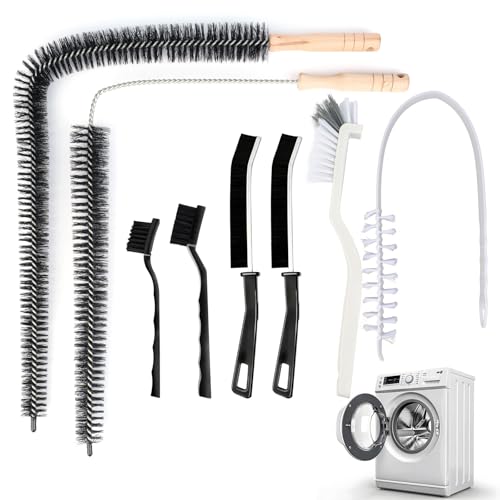
- Front load washer gasket cleaning brush
- Washing machine door seal scrub brush
- Stiff nylon gasket cleaning brush for front load washer
- Washer door seal cleaning scraper tool
- Gasket cleaning tool for rubber seal washing machine


Before You Start
Safety first: unplug the washer before cleaning to avoid any electrical shock. Work in a well-lit area and wear gloves if you have sensitive skin. Clear the area around the machine and prepare a towel or small tray to catch drips. Plan for a cleaning session that lasts about 15–30 minutes. Do not use harsh bleach or abrasive tools. These can damage the gasket and shorten the life of the seal.
Step-By-Step: How To Clean The Washer Door Seal
- Open the door and inspect the full circumference of the gasket, noting folds where residue has built up.
- Mix a mild cleaning solution suitable for rubber (a small amount of mild detergent diluted in water works well).
- Dip a front load washer gasket cleaning brush into the solution and gently scrub the folds of the gasket, focusing on areas that appear slimy or moldy.
- Use a washing machine door seal scrub brush to reach between the gasket and the drum. Move in a circular motion to loosen debris.
- For stubborn deposits, employ a stiff nylon gasket cleaning brush for front load washer to lightly agitate the grime. Avoid aggressive scrubbing that could tear the rubber.
- Gently glide a washer door seal cleaning scraper tool along the seam to lift and remove any stuck particles. Do not gouge the rubber.
- Wipe the area with a clean, damp cloth to remove soap residue, then dry the gasket thoroughly with a towel.
- Run a quick rinse cycle or a maintenance wash with the door slightly ajar to allow air circulation and complete drying.
- After cleaning, periodically check for signs of damage, such as cracks or excessive stiffness, and address them promptly.
Troubleshooting
| Symptom | Likely Cause | Fix | Prevention |
|---|---|---|---|
| Moldy odor persists after cleaning | Moisture remains trapped in folds | Dry thoroughly; run an empty wash with hot water and a cup of white vinegar (optional) | Leave door ajar after cycles; clean monthly |
| Visible mold spots | Persistent mildew buildup | Use a mildew-specific cleaner following product instructions | Regular maintenance cleaning schedule |
| Seal is sticky or tacky | Soap scum or residue | Deep clean with mild detergent solution and rinse thoroughly | Avoid overuse of detergents; use recommended amounts |
| Cracks or tears in gasket | Excess wear or improper cleaning | Replace gasket if damaged; contact a professional for installation | Handle gently; avoid sharp tools near the rubber |
Common Mistakes
- Using harsh chemicals like strong bleach or solvents that can degrade rubber
- Scrubbing too aggressively with abrasive tools, causing tears or thinning
- Neglecting to dry the gasket after every wash, promoting mold growth
- Forgetting to clean behind the gasket where pockets of water can accumulate
Tips For Best Results
- Clean the gasket every 1–2 months, or more often if your washer is used heavily or in a humid environment
- Keep the door slightly ajar after cycles to promote drying and reduce moisture buildup
- Use a mild, non-abrasive cleaner formulated for rubber surfaces
- Inspect the gasket seals during routine maintenance and address wear early
- Consider placing a small towel under the door during cleaning to absorb water runoff
Call A Professional
Seek professional help if you notice persistent mold despite cleaning, if the gasket shows deep cracks, or if there are leaks around the door area. Also contact a technician if you sense a recurring water leakage when the washer runs, or if the door seal appears misaligned after cleaning.
FAQ
How often should I clean the washer door seal?
Clean the gasket once a month or sooner if you notice odors or visible residue.
Can I use bleach to clean the gasket?
Bleach can damage rubber over time; use mild cleaners designed for rubber and avoid strong solvents.
What’s the best tool for stubborn residue on the gasket?
A stiff nylon gasket cleaning brush is effective for stubborn buildup without tearing the rubber.
Is it safe to run a maintenance cycle with the door closed?
It’s better to run maintenance cycles with the door slightly ajar to promote drying and prevent odors.
What if the gasket has mold on the inner drum side?
Treat the mold promptly with a dedicated mildew cleaner and ensure thorough drying after cleaning.
Buying Guide
When selecting tools to clean a washer door seal, consider ergonomic design, bristle stiffness, and compatibility with your machine. Look for sets that include various brush types to reach tight folds without damaging rubber. Pay attention to handle comfort and grip, especially if cleaning sessions are lengthy. For consumers who prefer minimal tool clutter, a compact toolkit that includes a gasket cleaning brush, a scrub brush, and a scraper tool can cover most situations. Finally, ensure tools are labeled safe for rubber and appliance use to avoid inadvertent damage.