Cleaning a wax bowl is essential for maintaining the performance and hygiene of paraffin wax systems. A well-maintained bowl prevents residue buildup, extends the life of the warmer, and ensures consistent melting and fragrance release. This guide provides practical steps and safe practices for American users.
Quick Answer
Let the wax cool, remove excess melted wax with a silicone spatula, and wipe the bowl with a damp cloth. For stubborn residue, use a dedicated paraffin wax bath cleaning brush or a stainless steel pot scrubber designed for wax bowls. Always unplug the warmer, then rinse and dry thoroughly before reuse.
What You’ll Need
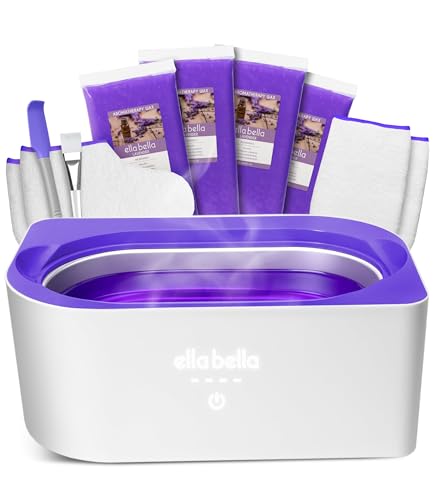
- Paraffin wax warmer with removable ceramic bowl
- Silicone spatula for wax melting cleaning
- Stainless steel pot scrubber for wax bowl cleaning
- Paraffin wax bath cleaning brush
- Paraffin wax heater accessories cleaning kit


Before You Start
Ensure the device is unplugged and completely cool before handling. Work on a stable, heat-resistant surface to avoid spills. If the bowl is heavily soiled, plan for extra time to prevent damage to the ceramic surface. Keep flammable materials away from the working area and follow the manufacturer’s cleaning guidelines for any specific accessories included with the warmer.
Step-By-Step: How To Clean A Wax Bowl
- Unplug the warmer and allow the bowl to cool completely to avoid burns.
- Gently lift the removable ceramic bowl from the unit for best access.
- Use a silicone spatula for wax melting cleaning to remove as much softened wax as possible while it’s still pliable.
- Wipe the interior with a damp, lint-free cloth to remove remaining residue.
- For stubborn build-up, use a paraffin wax bath cleaning brush to agitate the surfaces without scratching the ceramic.
- Rinse the bowl with warm water, confirming there is no soap residue left that could affect future melts.
- Dry thoroughly with a clean towel or let it air-dry completely before reassembling.
- Reinstall the bowl, plug in, and run a short clean cycle with a minimal amount of wax-free residue (or a dedicated cleaning wax if recommended).
- Dispose of used cleaning materials appropriately and store the kit in a ready-to-use location.
- Periodically inspect the bowl for cracks or chips, and replace if any damage is observed to prevent leaks.
Troubleshooting
| Symptom | Likely Cause | Fix | Prevention |
|---|---|---|---|
| Wax won’t release from the bowl | Residual wax hardened on surfaces | Warm the bowl slightly and use a silicone spatula to lift | Clean promptly after use; avoid letting wax cool too long |
| Discoloration or staining | Food coloring or fragrance residues | Light soap and warm water; avoid abrasive cleaners | Run a quick cleaning cycle after each use |
| Ceramic bowl shows scratches | Rough cleaning tools | Switch to non-scratch tools like silicone spatulas | Regularly check tool quality and replace worn items |
| Unpleasant odor after cleaning | Old residue or improper rinsing | Thorough rinse and air-dry; use minimal cleaning agents | Rinse until water is clear |
Common Mistakes
- Using abrasive cleaners or metal scrubbers on the ceramic bowl
- Cleaning while the bowl is hot, risking burns or ceramic damage
- Skipping thorough drying, which can trap moisture and affect melts
- Neglecting to unplug the warmer before cleaning, creating safety hazards
Tips For Best Results
- Clean the bowl after each use to prevent stubborn buildup.
- Keep a dedicated cleaning kit for wax bowls to avoid cross-contamination.
- Store tools in a labeled container for quick access during maintenance.
- Use a silicone spatula with a flexible edge to lift wax residue efficiently.
- Inspect the ceramic bowl for hairline cracks and replace if necessary.
Call A Professional
Consider a professional service if the ceramic bowl shows deep cracks, warping, or persistent leaks that compromise safety. Seek expert help if you notice electrical issues, unusual heat, or if cleaning requires disassembly beyond standard steps. Do not attempt major repairs yourself on electrical paraphenalia.
FAQ
How often should I clean the wax bowl?
Clean after each use to prevent buildup and ensure consistent melting performance.
Can I use dish soap to clean the bowl?
Yes, use a mild dish soap and warm water, then rinse thoroughly to remove any soap residue.
Is it safe to soak the ceramic bowl?
Only if the manufacturer approves soaking; otherwise, wipe and rinse promptly to avoid water intrusion into electrical components.
What if the bowl is scratched?
Minor scratches are usually cosmetic; replace the bowl if damage affects performance or leaks occur.
Can I use the same tools for other wax products?
Prefer dedicated tools for wax bowls to prevent cross-contamination and maintain cleanliness standards.
Buying Guide
When selecting a wax care setup or replacement parts, consider size, compatibility, and material quality. A paraffin wax warmer with removable ceramic bowl offers easy cleaning and flexible use, while a compatible cleaning kit helps maintain performance. Look for heat-safe silicone spatulas, rust-resistant scrubs, and brushes designed for wax residue. Ensure tools fit the bowl dimensions and are safe with the warmer’s temperature range. Noise levels, energy efficiency, and control features may influence usage comfort, especially in shared spaces. Consider placement: keep the unit on a stable, heat-resistant surface away from drafts and moisture. For households or studios with frequent wax use, investing in reliable cleaning accessories saves time and extends equipment life, contributing to safer, more efficient wax maintenance.