White shoelaces can brighten sneakers and elevate an outfit, but they easily pick up dirt, grime, and ink stains. This guide provides practical, step-by-step methods that work for common fabrics such as cotton and synthetic laces, using readily available tools and materials.
Quick Answer
For most white shoelaces, remove them from the shoes, pre-treat with a fabric stain remover if needed, soak in warm soapy water, scrub with a soft-bristle brush, rinse, and air dry. For delicate laces, place them in a mesh laundry bag and wash on a gentle cycle.
What You’ll Need
- White cotton shoelace cleaning brush kit
- Shoelace cleaning brush set with soft bristles
- Fabric stain remover pen for white shoelaces
- Mesh laundry bag for washing shoelaces
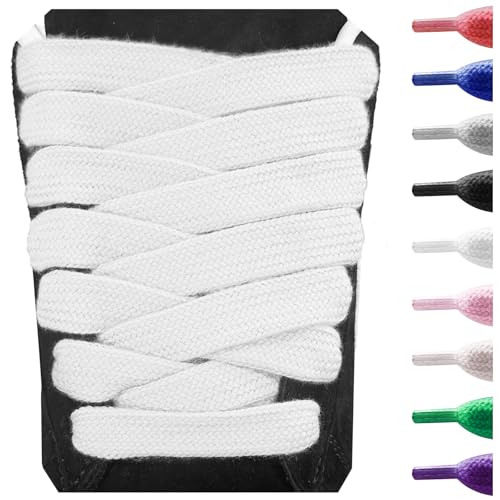
- White shoelace replacement 54 inch cotton (optional for replacement)


Before You Start
Check laces for fraying or thinning; damaged laces should be replaced. Avoid hot water on certain fabrics, as it can set stains for some materials. Work in a well-lit area and prepare a clean workspace. Time estimate: 15–30 minutes for a standard pair; longer if stains are persistent.
Step-By-Step: How To Clean White Shoelaces
- Remove the laces from the shoes and loosen any knots to speed up cleaning.
- Inspect for deep or ink stains; apply a fabric stain remover pen for white shoelaces directly to stubborn areas and let sit for 5–10 minutes.
- Fill a bowl with warm water and a small amount of mild detergent. Submerge the laces completely and gently agitate to loosen dirt.
- For extra whitening, add a small amount of baking soda or a whitening booster to the soaking solution and stir.
- Use a shoelace cleaning brush set with soft bristles to scrub each lace, paying attention to the ends and any knots.
- If you prefer machine washing, place laces in a mesh laundry bag for washing shoelaces and wash on a gentle cycle with cold or warm water.
- Rinse thoroughly under cold water to remove all soap residues; inspect for remaining stains and repeat if necessary.
- Air dry laces flat or hang them to prevent wrinkling. Ensure they are completely dry before re-lacing shoes to prevent odor.
- Trim any frayed ends and re-tie before threading back into the shoes.
- If color remains dull, repeat the treatment or consider using white replacement laces as an alternate.
- Store clean laces ready for future use in a dry, ventilated space to prevent mildew.
Troubleshooting
| Symptom | Likely Cause | Fix | Prevention |
|---|---|---|---|
| Stains persist after washing | Deep-set stains or ink | Reapply fabric stain remover and rewash; soak longer | Treat stains promptly |
| Color still dull | Repeated washing without whitening boost | Pre-soak with whitening aid; use soft bristles | Spot-clean to prevent buildup |
| Ends fray after drying | Ripped fibers | Trim ends evenly and consider replacement | Avoid aggressive scrubbing |
| Stubborn odors | Moisture trapped in laces | Deep dry in sunlight or air cycle | Dry thoroughly after washing |
Common Mistakes
- Overheating water or dryers that can set stains or warp fibers
- Using chlorine bleach on colored or delicate laces
- Scrubbing too hard, which frays threads
- Skipping drying, which invites mildew
Attention: Always test stain removers on a small area first to avoid accidental discoloration.
Tips For Best Results
- Pre-treat persistent stains with a fabric stain remover pen for white shoelaces before washing.
- Use a mesh laundry bag for washing shoelaces to protect laces and machine drum.
- Replace severely worn laces with white shoelace replacement 54 inch cotton when necessary for an even look.
- For bright white, soak briefly in a solution of water and a whitening booster, then rinse thoroughly.
Call A Professional
Consider professional help if laces are part of delicate footwear, or if stains involve dye transfer from other components of the shoe. Seek assistance if you notice color bleeding onto the fabric or yellowing that won’t respond to home treatment.
FAQ
Can I wash white shoelaces with other laundry?
Yes, but place them in a mesh laundry bag to protect laces and reduce tangling with other items.
How long should I soak white shoelaces?
Aim for 15–30 minutes for standard cleaning; longer soaks may help with stubborn stains.
Is chlorine bleach safe for white cotton laces?
Chlorine bleach can weaken fibers and should be avoided on most cotton shoelaces; opt for oxygen-based whiteners or stain removers.
How can I prevent future staining?
Treat stains promptly, avoid contact with ink or dye-rich surfaces, and store laces clean and dry between uses.
Buying Guide
When selecting replacement or care items for white shoelaces, consider several factors to ensure best results and ease of use.
Size and length: Choose laces that match your shoe’s eyelet count and recommended length (54 inches is common for many sneakers). Shorter or longer lengths can affect fit and appearance.
Material: Cotton laces are easy to clean and retain stiffness; synthetic blends may resist staining but can wear differently. For most white laces, cotton offers a good balance of washability and durability.
Cleaning tools: A dedicated white cotton shoelace cleaning brush kit or a shoelace cleaning brush set with soft bristles helps remove dirt without fraying fibers. Pair with a fabric stain remover pen for white shoelaces for stubborn spots.
Maintenance accessories: Use a mesh laundry bag for washing shoelaces to protect both laces and washing machines, especially when washing multiple pairs.
Noise, energy, and controls: Washing on a gentle cycle with cold or warm water is energy-efficient and quiet. Consider adjusting water temperature based on fabric care labels.
Placement and loading: Keep laces in a dedicated bag or small pillowcase to prevent tangling and to protect other laundry items.
With these factors in mind, consumers can keep white shoelaces bright and fresh while extending their lifespan. If in doubt, try simple treatments first and replace worn laces to maintain a crisp overall look.