Wood chairs add warmth and style to dining rooms, kitchens, and living spaces. Proper cleaning preserves the finish and extends their life. This guide walks through practical, safe methods using commonly available cleaning tools and products designed for finished hardwood furniture.
Quick Answer
For routine cleaning, use a soft-bristle brush or microfiber cloth with a spray bottle hardwood cleaner and wood conditioner. Wipe with a damp cloth, then buff dry. For deeper grime, apply a wood chair cleaner spray for finished hardwood furniture, followed by a polish and conditioner kit to maintain the surface.
What You’ll Need
- Wood chair cleaner spray for finished hardwood furniture
- Microfiber cloth set for wood furniture cleaning
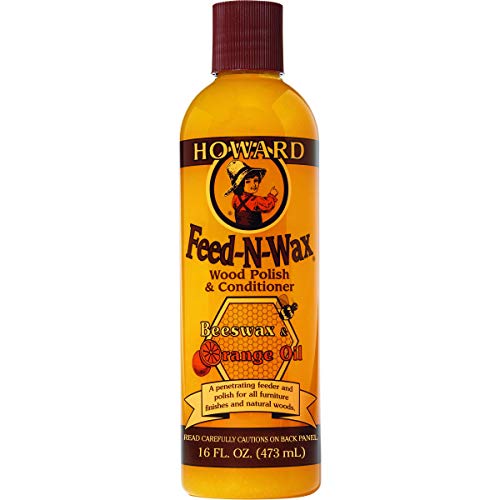
- Wood furniture polish and conditioner kit
- Soft-bristle brush for cleaning wood chairs
- Spray bottle hardwood cleaner and wood conditioner


Before You Start
Prepare the area by removing cushions and placing a protective layer on the floor. Test any product in an inconspicuous spot for finish compatibility. Work in a ventilated area and avoid soaking the wood, which can lead to warping or finish damage. Plan for 20–40 minutes per chair depending on grime level. Never saturate wood surfaces with liquid—light, even application is essential.
Step-By-Step: How To Clean Wood Chairs
- Remove dust with a soft-bristle brush for cleaning wood chairs or a microfiber cloth to lift loose debris.
- Prepare a cleaning solution by lightly misting a spray bottle hardwood cleaner and wood conditioner onto the cloth, not directly onto the wood if the label advises otherwise.
- Wipe the chair frame in the direction of the grain, focusing on crevices and joints where dirt tends to accumulate.
- For stubborn spots, apply a small amount of wood chair cleaner spray for finished hardwood furniture and gently scrub with the soft-bristle brush.
- Rinse the cloth and wipe away any residue to prevent streaks or buildup on the finish.
- Use a microfiber cloth set for wood furniture cleaning to dry and buff the surface to a natural sheen.
- Apply a wood furniture polish and conditioner kit according to package directions to replenish moisture and protect the finish.
- Address any scuffs with a light application of conditioner and a gentle buff; avoid abrasive tools that can scratch the surface.
- Inspect the chair for remaining grime or dull spots. Repeat targeted cleaning if necessary and finish with a final buff.
- Reinsert cushions and place the chair back in its area, ensuring the environment is free from excessive heat or humidity that can affect wood over time.
Troubleshooting
| Symptom | Likely Cause | Fix | Prevention |
|---|---|---|---|
| Cloudy or streaky finish | Residue left from cleaners | Wipe with a clean, dry microfiber cloth; re-buff | Use proper amounts and allow drying time |
| Smeared or sticky feel after cleaning | Over-application of product | Remove excess with a damp cloth, then dry | Follow product directions for application |
| Rough texture or scraping | Aged finish or debris trapped in grain | Spot-clean with conditioner and a soft brush | Regular maintenance to prevent buildup |
| Discoloration after cleaning | Incompatible cleaners | Switch to a product labeled for finished hardwood | Test in a hidden area first |
Common Mistakes
- Using citrus- or ammonia-based cleaners on finished wood, which can dull the finish.
- Pouring liquid directly onto the wood, causing soak-through and warping.
- Using abrasive brushes or pads that scratch the surface.
- Skipping the drying step, leaving moisture on the wood.
Tips For Best Results
- Schedule regular light cleanings to prevent buildup and maintain luster.
- Dust before wet cleaning to minimize scratch risk.
- Test any new product in a hidden area before full use.
- Store cleaners in a cool, dry place away from direct sunlight to protect labels and performance.
- Buff in the direction of the wood grain for a uniform finish.
Call A Professional
Seek professional help if you notice significant finish damage, deep scratches, or water staining that worsens after DIY cleaning. Signs to stop DIY work:
- Peeling finish or exposed wood in large areas
- Extensive color unevenness after cleaning
- Persistent warping or structural looseness in joints
Professionals can assess finish health, perform restoration, and apply appropriate sealants to protect against future damage.
FAQ
What is the best cleaner for finished hardwood furniture?
The best cleaner is a spray bottle hardwood cleaner and wood conditioner designed for finished surfaces, used with a soft cloth to prevent buildup.
Can I use olive oil on wood chairs?
Olive oil is not recommended for finished wood; it can leave residue and attract dirt. Use products formulated for wood finishes.
How often should I polish wood chairs?
Polish every few months or whenever the finish looks dull. Avoid over-polishing, which can create a buildup.
Is it safe to use water on all wood chairs?
Water should be used sparingly and only with a proper cleaner designed for finished wood to prevent damage.
Should I remove cushions before cleaning?
Yes, remove cushions to access all surfaces and to avoid moisture soaking cushions or upholstery.
Buying Guide
Choosing the right products for cleaning and maintaining wood chairs involves several factors. Consider size and finish of the chair, noise level of any spray devices, energy efficiency of electric cleaners if applicable, control accuracy, and placement within the home.
Key buying factors include:
- <bSize and surface area: Larger chairs may require broader cleaning passes; ensure tools fit around legs and details.
- <bFinish compatibility: Look for cleaners labeled for finished hardwood and avoid harsh solvents.
- <bEase of use: A spray bottle with a fine mist and a soft-bristle brush can simplify cleaning, especially for intricate joints.
- <bCross-compatibility: Choose a slate of products that work well together, such as a cleaner with a conditioner and a separate polish kit for best results.
- <bNoise and evaporation: For spray methods, consider gentler, low-noise options that minimize drift and mess; ensure products dry quickly to reduce downtime.
- <bPlacement considerations: Store cleaners away from direct sunlight and heat sources to preserve effectiveness and avoid finish damage over time.
When comparing options, review label directions, surface compatibility, and recommendations for finished hardwood furniture. Consider whether you prefer a combined spray-and-conditioner solution or separate products to tailor the care to your chair’s finish and traffic level. If in doubt, start with a basic routine using a dedicated wood chair cleaner spray and microfiber cloths, then add a conditioner kit for ongoing protection. This approach provides a practical balance of efficiency and finish safety for most American households.