Clogged drains are a common household nuisance, often caused by a mix of hair, grease, and mineral buildup. A practical, chemical-free approach can restore flow without harsh cleaners. This guide outlines natural methods and dependable tools to keep drains clear and clean, suitable for most kitchen and bathroom scenarios.
Following best practices helps protect pipes and the environment while reducing exposure to strong chemicals. The strategies below emphasize simple at-home steps, routine maintenance, and smart product choices that work together for long-lasting results.
Quick Answer
Best first steps: start with a plunger on slow-running drains, then try a baking soda and vinegar treatment. If needed, use a manual drain snake for stubborn clogs, and finish with an enzymatic cleaner to prevent future buildup. For regular maintenance, schedule periodic cleanings with eco-friendly cleaners.
What You’ll Need
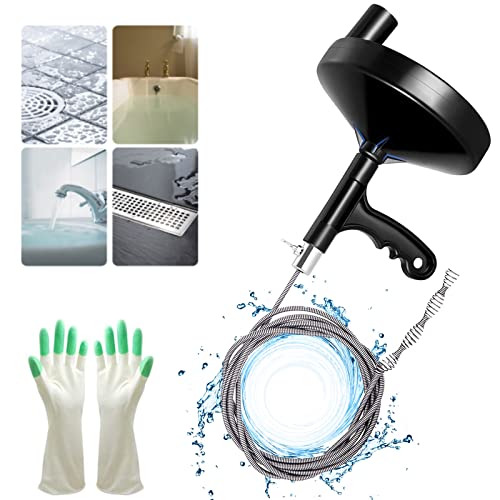
- Manual drain snake auger hair clog remover 3 ft
- Plunger drain cleaner kit with seal for slow drains
- Enzyme-based drain cleaner 32 oz natural biodegradable
- Bio enzyme drain cleaner kitchen sink enzymatic formula
- Baking soda vinegar drain cleaning kit natural


Before You Start
Assess the drain type and the area around it. Clear the area, remove standing water if possible, and ensure proper ventilation. A cautious approach reduces splashes and odors. Time estimates vary: light maintenance may take 15–30 minutes, while a stubborn clog could require 1–2 hours with breaks.
Important cautions: never mix chemical drain cleaners with other cleaners, and avoid boiling water on vinyl or PVC pipes if you’re unsure of compatibility. Wear gloves and eye protection when handling tools. If you notice persistent leaks, damage, or sewage odors, stop and seek professional help.
Step-By-Step: How To Naturally Clean Drains
- Assess the drain and remove any visible debris from the surface
- Try a plunger on a sink or tub drain, ensuring a tight seal and steady pressure
- Pour a half-cowl of baking soda into the drain, followed by white vinegar, and cover to contain fizzing
- Let the mixture sit for 15–30 minutes to dissolve buildup, then flush with hot water
- Use a manual drain snake auger to mechanically break through hair and mineral deposits
- Rinse with warm water and repeat if necessary, focusing on the U-bend and trap areas
- Apply an enzyme-based drain cleaner to maintain biodegradation of organic matter
- For kitchen sinks, use a bio enzyme drain cleaner formulated for enzymatic action on grease
- Let the enzymatic cleaner work as directed, usually several hours or overnight for best results
- Finish with a routine rinse and ensure no standing water remains
- Repeat monthly or with every heavy-use cycle to maintain clear drains
- Label and store tools safely, and clean the area after each session
Troubleshooting
| Symptom | Likely Cause | Fix | Prevention |
|---|---|---|---|
| Slow draining after cleaning | Partial buildup or trapped debris | Repeat steps with a snake and enzymatic cleaner | Run hot water after each use; use enzyme cleaners periodically |
| A foul odor persists | Organic matter in the trap or pipe | Disassemble trap and clean; treat with enzyme cleaner | Regular maintenance and avoid dumping grease |
| Backflow from other fixtures | Shared blockage in the main line | Contact a plumber; avoid overfilling sinks | Schedule comprehensive drain cleaning |
| Enzyme cleaner not effective | Too large a blockage or wrong formula | Combine with mechanical cleanup and verify product suitability | Use enzyme cleaners as preventive, not sole solution |
Common Mistakes
- Using chemical drain cleaners as a first line of defense
- Pouring boiling water into older PVC pipes without checking compatibility
- Overusing enzymes without allowing time to work
- Neglecting to remove hair and debris from traps during maintenance
- Relying on a single method for all clog types
Being mindful of these missteps helps preserve pipe integrity and reduces the risk of damage from aggressive cleaners.
Tips For Best Results
- Combine mechanical action (snakes) with enzymatic treatments for stubborn clogs
- Prioritize enzyme-based products labeled as natural and biodegradable
- Use baking soda and vinegar as a quick, non-chemical flush, not a sole solution
- Maintain a regular cleaning schedule to prevent buildup
- Keep hair catchers in sinks and wipe grease from kitchen surfaces before washing
Call A Professional
Consider professional help when:
- The clog recurs after multiple DIY attempts
- There is sewage odor, multiple slow drains, or water backs up in other fixtures
- There is signs of pipe damage, leaks, or unusual noises
- Homeowners are unsure about the safest approach for their plumbing materials
FAQ
What is the safest way to start clearing a slow drain?
Begin with a plunger, then try baking soda and vinegar, followed by a manual snake if needed.
Can enzyme-based cleaners damage pipes?
Most enzyme cleaners are formulated to be safe for typical residential pipes when used as directed.
Are natural cleaners effective for kitchen drains?
Yes, a combination of enzymes and periodic mechanical cleaning works well against grease buildup.
How often should I clean drains using natural methods?
As a preventive measure, consider monthly maintenance and a deeper clear every few months depending on usage.
Buying Guide
When choosing drain-cleaning products and tools, several factors influence performance and long-term results. Consider size, compatibility with your plumbing, and the type of clog you commonly encounter.
Size and reach: A 3 ft manual drain snake provides good access for most sinks and showers. For deeper lines, longer snakes may be necessary, but consider storage space and ease of use.
Effectiveness of enzymatic cleaners: Choose products with clear enzyme formulas and biodegradable ingredients. They are best for maintenance and grease management, not solely for severe clogs.
FE or energy efficiency: Not applicable to cleaning tools, but opt for reusable tools and refillable cleaning kits to minimize waste.
Controls and ease of use: Look for user-friendly packaging, clear directions, and safety features such as seals and protective caps to prevent spills.
Placement and storage: Store in a cool, dry place away from children. Keep tools near the sink for quick access, and ensure cords (if any) are stored safely.
Cost vs. value: Evaluate the combination of a plunger kit, snake, enzyme cleaners, and baking soda/vinegar options to cover most scenarios at home.
Want to compare options? Consider how often you’ll use each tool and whether you prefer a kit that combines mechanical and enzymatic solutions for simplicity and consistency.