Keeping car upholstery looking fresh improves the driving experience and preserves resale value. This guide covers practical methods, tool choices, and step-by-step instructions to clean fabric and leather surfaces effectively in American vehicles.
Quick Answer
Start with a dry vacuum to remove loose debris, treat stains with an enzyme stain remover, clean with a steam cleaner or fabric cleaner, and finish with microfiber cloths to blot and dry. Use a dedicated upholstery brush kit for brushing into fibers and a 12V portable vacuum for tight spots.
What You’ll Need
- 12V portable handheld car upholstery vacuum
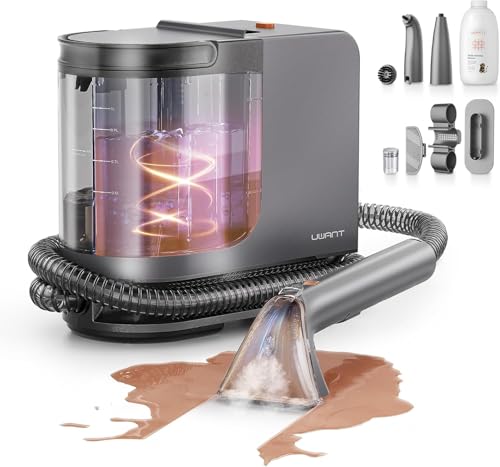
- car interior steam cleaner for upholstery with nozzle
- enzyme stain remover for car upholstery spray 16oz
- upholstery cleaning brush set for car seats detail brush kit
- microfiber cleaning cloths for car seats 12×16


Before You Start
Prepare the car by removing floor mats and trash. Vacuum thoroughly to lift pet hair and loose dirt. Test any cleaner on an inconspicuous area first to prevent discoloration. Keep windows cracked for ventilation and avoid over-wetting fabric, which can lead to mildew.
Time estimate: 30–60 minutes for standard cleaning; longer for heavy staining. If you have allergies or sensitive skin, wear gloves and work in a well-ventilated space.
Step-By-Step: How To Clean Car Upholstery
- Vacuum the entire surface with the 12V portable handheld car upholstery vacuum to remove loose debris.
- Apply enzyme stain remover to any visible stains, allowing it to sit for 5–10 minutes to break down organic material.
- For fabric upholstery, use the car interior steam cleaner for upholstery with nozzle to gently lift dirt from fibers without soaking the material.
- Use an upholstery cleaning brush set for car seats detail brush kit to agitate the cleaner and loosen embedded dirt in seams and textures.
- Wipe away loosened dirt with microfiber cleaning cloths; blot rather than rub to avoid fiber damage.
- Repeat stain treatment on stubborn spots and use a fresh microfiber cloth for drying.
- For leather areas, apply a leather-safe cleaner and buff with a dry microfiber cloth; avoid saturating leather.
- Allow surfaces to air-dry completely before replacing floor mats or seating accessories.
- Inspect for remaining stains; repeat targeted cleaning if necessary.
- Lightly brush with the upholstery brush kit to restore fabric texture after drying.
- Finish with a quick vacuum to pick up any residual loosened fibers and ensure a uniform look.
Troubleshooting
| Symptom | Likely Cause | Fix | Prevention |
|---|---|---|---|
| Stains reappear after cleaning | Stain without full removal or improper treatment | Reapply enzyme remover and repeat with brush | Treat stains promptly; blot, don’t rub |
| Fabrics feel stiff after cleaning | Excess cleaning solution residue | Wipe with clean water and blot dry | Use minimal liquid; ensure thorough drying |
| Moisture lingering | Over-wetting or trapped moisture | Ventilate; use fans; extend drying time | Avoid saturating surfaces during cleaning |
| Fabrics fade after cleaning | Harsh cleaners or direct sun while wet | Switch to milder cleaners; shade during cleaning | Test patch and work in cool, shaded areas |
Common Mistakes
- Using harsh solvents that damage fibers or dye
- Over-wetting upholstery, leading to mold or mildew
- Rubbing vigorously, which frays or mats fabric
- Skipping a final drying step, leaving moisture behind
Following careful technique helps preserve texture and color while reducing the risk of recurring stains.
Tips For Best Results
- Test cleaners on hidden areas before full application to avoid discoloration.
- Brush fibers in the direction of weave to lift dirt more effectively.
- Use microfiber cloths for absorbent, lint-free drying and buffing.
- Schedule regular cleanings to prevent deep-set staining and odor buildup.
Call A Professional
Seek professional help if stains cover large areas, odors persist after cleaning, or if upholstery shows signs of dye bleed or structural damage. Stop cleaning and contact a pro when:
- Leather is cracked or peeling
- Extensive water intrusion or persistent dampness
- Pet-related contamination with heavy odors or oils
FAQ
Can I use a steam cleaner on leather seats?
Steam can damage leather; use leather-safe cleaners and a microfiber cloth instead.
How long does it take upholstery to dry after cleaning?
Typically 30–120 minutes, depending on airflow and humidity.
Is enzyme stain remover safe for all fabrics?
Most fabrics respond well, but test first on a hidden area.
Should I use a vacuum after cleaning?
Yes, a final vacuum helps remove loosened dirt and fibers.
Can I clean car carpets the same way?
Car carpets may require a damp-but-not-soaked approach; follow fabric-specific guidelines.
Buying Guide
When selecting tools for cleaning car upholstery, consider size, power, and compatibility with different materials. Ask yourself: Is space in the vehicle limited, requiring compact tools? Do you need a versatile device able to handle both fabric and leather surfaces? The buying guide below reviews key factors to help you choose.
Size and Portability
Compact handheld vacuums fit easily in a trunk or back seat pocket. For tight spots, choose a model with a narrow nozzle and a flexible hose.
Cleaning Power and Versatility
A combination of suction power and cleaning modes (steam vs. dry cleaning) offers flexibility across fabric types and stain levels. Enzyme cleaners complement mechanical cleaning for organic stains.
Noise Level and Comfort
Consider noise scores and ergonomic handles for extended cleaning sessions. A quieter unit reduces fatigue and makes routine cleaning more pleasant.
Energy Efficiency and Maintenance
Look for energy-efficient motors and washable filters to lower ongoing costs. Regular maintenance extends tool life and performance.
Controls and Accessories
Interfaces should be straightforward, with easily removable brushes and nozzles. A dedicated upholstery brush kit enhances brushing action on fibers and seams.
Placement and Storage
Choose a model that fits in your vehicle’s storage space without blocking access to seats or the trunk. Compact docking stations or carry bags improve organization.
Related Considerations
If you frequently deal with pet hair or stubborn stains, prioritize models that include specialized pet tools or enzyme cleaners. For mixed usage outside the car, select a multi-purpose cleaner with upholstery compatibility.