Varnished wood surfaces add a durable, glossy finish to furniture and cabinetry, but cleaning them requires care to preserve the sheen without dulling or scratching. This guide walks American homeowners through practical steps to clean varnished wood, using common cleaners and soft tools to maintain a polished look.
Quick Answer
Use a pH-neutral wood cleaner for varnished surfaces, paired with soft microfiber cloths, then follow with a dedicated wood furniture polish for varnished finishes. Avoid harsh detergents, ammonia, or abrasive pads that can strip the varnish.
What You’ll Need
- varnished wood furniture cleaner spray
- pH neutral wood cleaner for varnished surfaces
- wood furniture polish for varnished finish
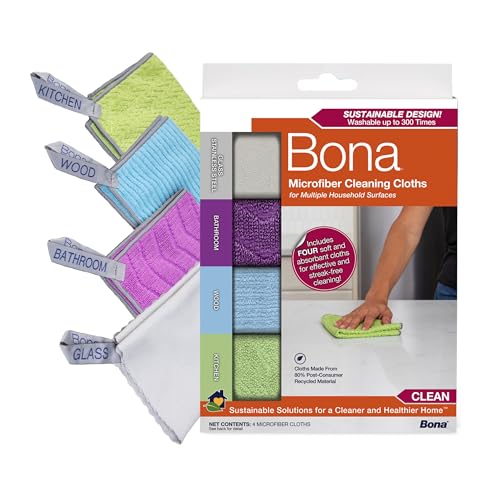
- microfiber cloths for cleaning varnished wood
- cabinet cleaner varnished wood kitchen cabinets


Before You Start
Prepare a clean, dry area around the furniture. Test cleaners on a hidden area first to ensure no discoloration. Use soft, lint-free microfiber cloths to lift dust and polish without scratching. Work in the direction of the grain and avoid soaking wood; varnished surfaces should not have standing moisture.
Estimated prep time: 5–10 minutes. Cleaning time for a typical piece: 10–25 minutes depending on size and detail. For high-traffic areas, plan for a routine 1–2 times per month.
Step-By-Step: How To Clean Varnished Wood
- Remove surface dust with a dry microfiber cloth, working along the grain to avoid scratches.
- Lightly mist a pH neutral wood cleaner for varnished surfaces onto a microfiber cloth, not directly onto the wood.
- Wipe the surface in smooth, even strokes, paying attention to edges, drawer fronts, and cabinet doors.
- For stubborn smudges, apply a second pass with a damp cloth and then immediately dry with a separate dry cloth.
- Use a varnished wood furniture cleaner spray if buildup is persistent, following the product instructions and testing first.
- Buff the surface with a clean, dry microfiber cloth until a soft glow returns.
- Apply a wood furniture polish for varnished finish to restore luster every few months, using a light, even coat.
- Polish in the direction of the grain and remove any excess with a dry cloth to prevent film buildup.
- Address high-traffic areas with a slightly more frequent cleaning routine to prevent dull patches.
- Inspect edges and joints for moisture exposure; immediately wipe away any residual liquid with a dry cloth.
- Store cleaning products in a cool, dry place out of reach of children and pets.
- Repeat the process as needed to maintain the varnish’s clarity and protective sheen.
Troubleshooting
| Symptom | Likely Cause | Fix | Prevention |
|---|---|---|---|
| Dull finish after cleaning | Residue or improper drying | Buff with clean microfiber cloth; ensure complete drying | Use minimal cleaner and dry promptly |
| Streaks or wispy marks | Excess cleaner or moisture | Wipe again with a dry cloth, move along grain | Apply cleaner sparingly and follow with dry buffing |
| Scratches visible | Rough cloth or abrasive cleaner | Switch to microfiber; avoid harsh products | Dust regularly and clean with softer tools |
| Peeling or cloudy patches | Excess liquid or incompatible polish | Strip and recondition with compatible products | Test new products on hidden area first |
Common Mistakes
- Using ammonia- or solvent-based cleaners on varnished wood
- Applying cleaner directly onto the surface instead of onto a cloth
- Using abrasive pads or rough towels that scratch the varnish
- Over-wetting edges or joints, which can loosen the finish over time
- Over-polishing, which can lead to a sticky or darkened film
Tips For Best Results
- Dust frequently with a dry microfiber cloth to minimize buildup.
- Choose products labeled as pH neutral to protect varnished finishes.
- Always wipe in the direction of the grain for a consistent look.
- Limit the frequency of deep cleanings to maintain protective coatings.
- Test any new product on a hidden area before broader use.
Call A Professional
Seek professional help if varnish is peeling, cracking, or if large areas show discoloration after cleaning. Pro services are recommended when finishes are damaged, or when refinishing might be required to restore luster. Consider a specialist for antique or heirloom pieces where finishes are part of value and history.
FAQ
What is the best cleaner for varnished wood?
A pH-neutral wood cleaner formulated for varnished surfaces works best to preserve the sheen.
Can I use furniture polish on varnished wood daily?
Polish is usually used sparingly; over-polishing can leave residue. Follow product guidelines and polish when needed to refresh shine.
Should I wet-clean varnished cabinets?
Minimal moisture is safe; avoid soaking cabinets and always dry promptly to prevent water damage.
How often should I deep-clean varnished wood?
Deep-cleaning every 2–6 months is typical, depending on use and exposure to grime.
Buying Guide
When selecting cleaners and polishes for varnished wood, consider size and frequency of use, noise level of spray products, energy efficiency of any powered cleaning tools, and ease of control for spray bottles. Look for pH-neutral formulations and products specifically labeled for varnished finishes. For cabinets, choose a spray cleaner that provides a gentle lift without streaks. Consider microfiber cloths as an essential accessory for safe cleaning. Placement matters—keep cleaners away from heat sources and direct sunlight to prevent products from degrading finishes. Compare brand compatibility, scent, and residue after drying to ensure a consistent, long-lasting appearance.