Spinning reels require regular maintenance to keep casting smooth and drag consistent. A clean reel resists corrosion, preserves line performance, and extends its life. This guide walks through practical steps, common issues, and where to source the right tools for American anglers.
With the right approach, you can refresh your spinning reel at home safely and efficiently. Follow the steps below to remove grit, re-lubricate bearings, and protect moving parts from future wear.
Quick Answer
Disassemble the reel frame, wipe away dirt, clean bearings with a solvent, dry thoroughly, apply a light lubricant to gears and bearings, and reassemble. Check for smooth operation and re-tune drag if needed.
What You’ll Need
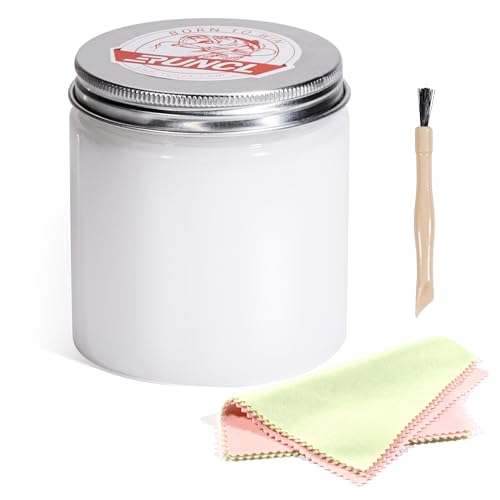
- spinning reel cleaning kit with brushes and solvent
- fishing reel oil lubricant for spinning reels
- microfiber cloths for fishing reel cleaning
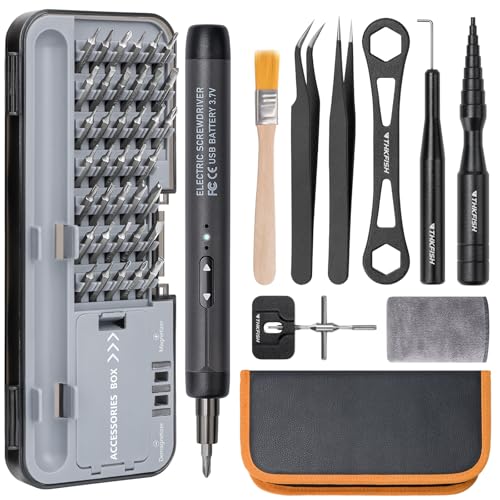
- reel repair tool set for spinning reels
- precision screwdriver set for fishing reels

Before You Start
Prepare a clean work area, away from dust and wind. Have a soft tray or container ready to hold small parts. Avoid spilling solvent on skin or eyes and wash hands after handling chemicals. Time estimate for a basic clean is 20–40 minutes; a deep rebuild may take 1–2 hours. Protect the handle and grip to prevent cosmetic damage during disassembly.
Lay out tools in order of use, and verify you have the correct screws before removal. If the reel has corrosion or damaged components, stop and consider professional service.
Step-By-Step: How To Clean A Spinning Reel
- Remove the spool and gently lift away any visible dirt from the rotor and line roller using a spinning reel cleaning kit with brushes and solvent.
- Detach the side plate or as instructed by the manufacturer, then inspect internal gears for worn teeth or grit buildup.
- Dip a microfiber cloth in solvent and wipe the exterior, paying close attention to the bail roller and anti-reverse mechanism.
- Use a small precision screwdriver set for fishing reels to loosen screws and carefully lift removed parts, keeping track of their order.
- Soak small metal parts in a shallow bath of solvent briefly, then rinse with a dry cloth. Dry thoroughly to avoid moisture trapped in crevices.
- Apply a light film of fishing reel oil lubricant for spinning reels to gears, bearings, and the rotor shaft. Do not over-lubricate.
- Reassemble in reverse order, ensuring each screw is snug but not overtightened. Check that the bail returns smoothly and the line roller rotates freely.
- Spin the handle to test. If resistance or grinding remains, recheck lubrication and reinstall any components that may be misaligned.
- Wipe the exterior again and store the reel in a dry, ventilated space to prevent rust between uses.
- Perform a field test with a short line to confirm casting performance and drag function before a full day on the water.
- Document any unusual sounds or tight spots for future maintenance notes.
Troubleshooting
| Symptom | Likely Cause | Fix | Prevention |
|---|---|---|---|
| Rough feeling when turning handle | Grit trapped in gears | Clean thoroughly and re-lubricate | Regular cleaning after use |
| Slow bail return | Wear or debris on bail mechanism | Inspect, clean, and lubricate | Keep area dry; avoid salt spray |
| Dragging or grinding sounds | Old or mismatched oil | Replace lubricant and reseat parts | Use manufacturer approved products |
| Poor casting distance | Dirty line roller or drag setup | Clean line roller; reset drag | Test with practice spool regularly |
| Stiff drag adjustment | Corrosion or seized components | Inspect seals; replace worn parts | Rinse and dry after saltwater use |
Common Mistakes
- Over-lubricating the gears, which can attract dirt and slow performance.
- Using household cleaners that can corrode delicate reel parts.
- Ignoring saltwater exposure; neglect leads to corrosion and seizing.
- Rushing reassembly without confirming each component sits correctly.
- Forgetting to dry parts thoroughly, inviting rust over time.
Tips For Best Results
Work in a well-lit area with a soft mat to cushion small parts. Use microfiber cloths for fishing reel cleaning to avoid scratching finishes. After cleaning, perform a light test cast with line to ensure smooth spool operation. Keep spare o-rings and gaskets on hand for quick replacements as needed.
Store lubricants in a cool, dry location away from direct sunlight. Label tools to speed up future maintenance sessions. For frequent saltwater use, rinse with fresh water after fishing and dry immediately before storage.
Call A Professional
Consider professional service if you notice persistent grinding, missing components, severe corrosion, or if the reel suffered a hard impact. Stop using the reel if the drag system feels imbalanced or if there is any risk of frame damage. Complex repairs may require specialized calibration that goes beyond routine cleaning.
FAQ
How often should I clean a spinning reel?
Clean after heavy use or exposure to saltwater, and perform a light clean every few trips to maintain performance.
Can I use household solvents to clean my reel?
Avoid household cleaners; use manufacturer approved solvents to protect seals and bearings.
What lubricant should I use on a spinning reel?
Use a dedicated fishing reel oil designed for spinning reels and apply sparingly to gears and bearings.
Is it necessary to oil every component?
No; focus on moving metal parts, bearings, and the line roller. Avoid over-lubricating seals and bushings.
Should I disassemble my reel fully every time?
Only as needed. Routine maintenance can be done with partial disassembly and targeted cleaning.
What signs indicate a professional repair is needed?
If there is persistent grinding, excessive play, corrosion that worsens, or failed drag adjustments, seek a pro.
Buying Guide
When selecting gear for cleaning and maintaining spinning reels, consider size, noise level, energy efficiency of lubrication, control of application, and how you will place tools during work. A compact spinning reel cleaning kit with brushes and solvent suits most anglers, but a complete reel repair tool set for spinning reels plus a precision screwdriver set is helpful for deeper service. Look for a kit that includes fresh microfiber cloths to avoid scratching finishes and a reliable reel oil formulated for spinning reels. If you fish frequently in saltwater, choose corrosion resistant components and a drying towel designed for moisture removal. Compare tools by compatibility with your reel brand and model, and ensure manuals or online instructions are available for disassembly procedures.